
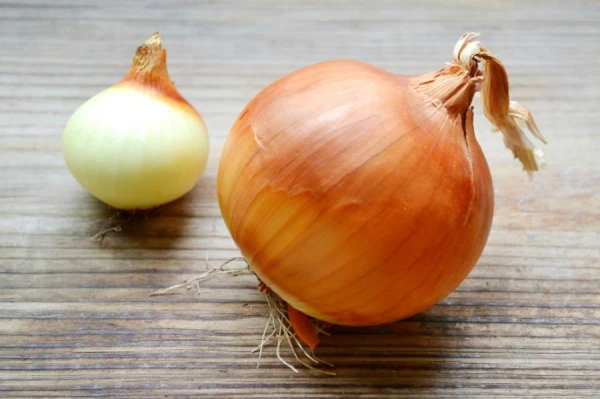
This facilitates its retention of nutrients.
The layers of the bulb are fused leaves. In fact, the bulb is a shoot with a short lower part called the basal plate. Each leaf forms a capsule around this basal plate and the leaves located above it. The outer leaves, upon dying, form a dense and almost waterproof covering — the skin.
This structure allows the bulb to perform its main function: to store nutrients and, in particular, water, and to quickly develop leaves and flowering shoots when favorable conditions arise.
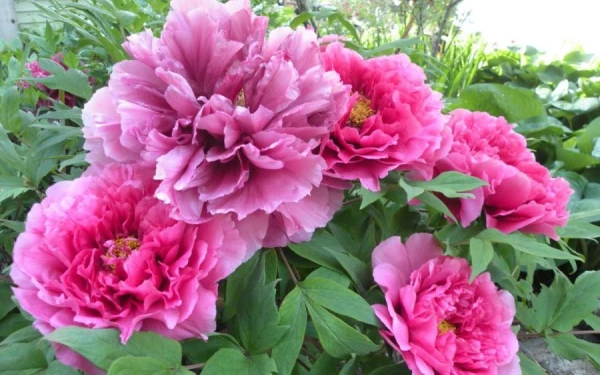
Interestingly, the bulb is not the only plant organ that has arisen from a shortened shoot. Flowers can also be considered a kind of bulb: the shortened stem has transformed into a receptacle, while the leaves have become sepals, petals, and the inner parts of the flower.







Leave a comment