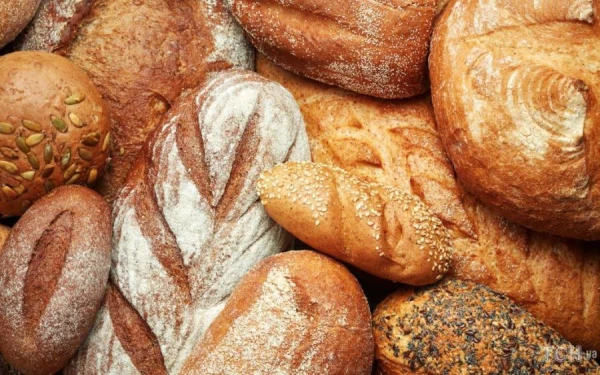
Debates about whether bread is more beneficial or harmful are held by doctors, nutritionists, and healthy eating specialists around the world. Dietitian and allergist-immunologist Marina Apletayeva shared recommendations on how much bread a healthy person can consume and which type is preferable.
Marina Apletayeva claims that for a healthy person without contraindications to the consumption of products, the optimal norm is two to three pieces of any bread per day.
“However, in the presence of excess weight or diabetes, it is advisable to exclude white bread made from refined flour. It contains a lot of fast carbohydrates and possibly not the healthiest additives. People with gastrointestinal diseases are advised not to eat rye bread,” clarifies Marina Apletayeva.
She adds that among baked goods, only whole grain bread has virtually no contraindications. This product can be included in the diet even for patients with diabetes and obesity. At the same time, the permissible daily amount remains the same as for healthy individuals — up to three slices a day.
“Whole grain bread is the best option for the diet. It contains soluble dietary fibers that help normalize the functioning of the gastrointestinal tract. If you choose a quality product, it can be an excellent aid for health,” explains Marina Apletayeva.
The doctor reminds that cereal crops are known for their rich vitamin and mineral composition. They contain beneficial vitamins B, A, and E, as well as important natural compounds — potassium, calcium, molybdenum, iron, choline, phosphorus, iodine, and sodium. Due to this composition and the slower breakdown of carbohydrates, bread is considered one of the best sources of macronutrients.