
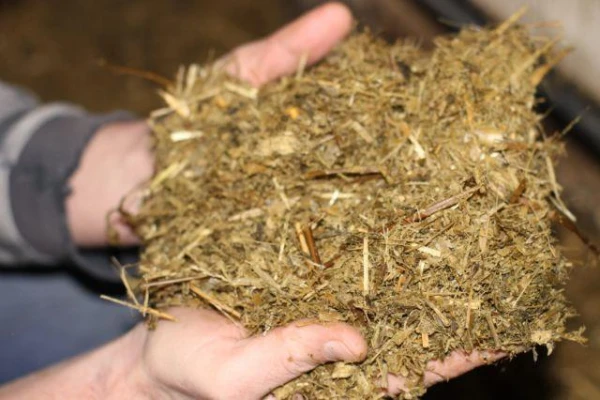
Experienced gardener and agronomist Alexander Khorobrovets answers readers' questions.
- Organic fertilizers are complex and complete substances.
In 100 kg of manure slurry, there are approximately 0.5 kg of nitrogen, 0.5 kg of potassium, 0.1 kg of phosphorus, 0.1 kg of calcium, 0.1 kg of magnesium, 15 g of manganese, 0.6 g of copper, 0.5 g of zinc, 0.3 g of boron, 0.05 g of molybdenum, and 5-150 g of various microorganisms. Additionally, organic fertilizers include growth substances.
Some types of organic fertilizers may not provide plants with the necessary balance of nutrients. For example, manure, manure slurry, and urine are deficient in phosphorus, which requires the addition of 2 kg of superphosphate for every 10 kg of fertilizer.
Some organic fertilizers may even contain harmful components. Urine contains ammonia, feces contain pathogenic microorganisms and chlorine, and sawdust contains resins.
Organic fertilizers vary in their consistency and reaction. Some undecomposed, uncomposted, and undiluted organic fertilizers can cause more harm than good. Therefore, before application, urine should be diluted, tree leaves should be composted, and manure should be allowed to mature.
When fertilizing plants that prefer calcium, ground limestone should be added to acidic fertilizers (such as straw, sawdust, and top peat). Alkaline organic fertilizers (such as bird droppings and manure slurry) are not recommended for plants that prefer an acidic environment.











Leave a comment