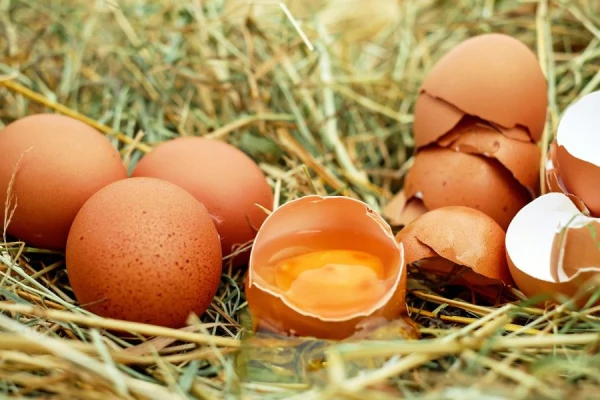
On January 15, Orthodox Christians celebrate the day of St. Seraphim of Sarov and the martyr Sylvester. This day in the folk calendar is called Chicken Festival. Earlier on this day, people would divine on onions, take care of the chicken coops, and look after domestic birds. The holiday is filled with mysticism and omens, the main one concerning chicken eggs and poultry meat.
Seraphim of Sarov, who lived in the late 18th – early 19th century, is considered one of the most venerated saints. Possessing the gift of miracle-working, he dedicated his life to helping people, healing them from ailments, and guiding them on the true path.
Saint Sylvester I, after whom this folk holiday is named, lived in Rome during the time of the cruel Emperor Diocletian, known for his persecutions of Christians. According to legends, the Pope triumphed over the sea monster Leviathan, thereby saving humanity from destruction.
Folk Calendar: St. Sylvester's Day
St. Sylvester's Day had many names: Chicken Day, Chicken Festival, Kurki, Day of Kura, and Kurki. This folk holiday, celebrated on the tenth day of the Christmas season, is associated with poultry. This is not accidental, as Saint Sylvester was considered the patron saint of chickens.
In ancient times, on this day, order was brought to the chicken coops: they were cleaned of dirt, fresh straw was laid down, and the birds were fed quality grain. While the women took care of the coops, the men repaired the feeders.
What can be done on St. Sylvester's Day
The Chicken Festival, dedicated to Pope Sylvester I, is filled with mysticism. Before January 15 (January 2 according to the old style), charms for domestic birds were made, which men hung in the coops for protection against diseases.
On St. Sylvester's Day, our ancestors not only cleaned the coops but also tidied up their homes. People believed that unclean spirits, wandering during the Christmas season, tried in every way to penetrate their dwellings. To protect against misfortunes, spoilage, and the evil eye, holy water was used.
In ancient times, stones with natural holes were hung in barns, which were called “chicken gods.” It was believed that these stones protected the chickens from kikimoras, who would strangle domestic birds at night.
Chicken Day was considered a family holiday celebrated in the circle of relatives and friends. Since the Christmas fast had already ended, the hostesses delighted their households with delicious dishes.
On the tables on St. Sylvester's Day, one could see pork ham, homemade sausage, pancakes, pies with various fillings, stuffed cabbage, and dumplings. It was believed that the more diverse the table, the more successful the upcoming year would be.
Chicken Day: Folk Omens
Our ancestors knew that if a rooster appeared in a dream on the night of St. Sylvester's Day, it meant wealth. On Chicken Day, one could predict the weather for the coming days.
If the chickens refuse grain, it signifies a thaw. If geese and ducks bathe in the snow, it indicates a weakening of the frost.
To find out which month would be rainy, divination was performed on onions on St. Sylvester's Day. For this, 12 bulbs were peeled, sprinkled with salt, and in the morning, it was observed which one would be the wettest. This allowed them to determine the rainiest month of the year.
What should not be done on St. Sylvester's Day
The Chicken Festival has many prohibitions. One of the main ones is related to poultry: on this day, it was forbidden to raise one's voice at chickens and eat chicken meat. It was believed that violating this prohibition would lead to diseases among the birds and a loss of happiness in the home.
It was categorically forbidden to quarrel with loved ones and use foul language – this could lead to illnesses. Our ancestors knew: if you want to preserve and increase your wealth, you should not borrow or lend money on St. Sylvester's Day.
Also, on St. Sylvester's Day, it was not recommended to be sad or remain alone. Evil spirits find it easier to deal with lonely people. Therefore, it was said: “The month – for harm, and unclean spirits – for light.”