With the arrival of winter, we not only update our wardrobe and cosmetics but also need to pay attention to dental care. Oral surgeon, implantologist, orthodontist, and periodontist Magomed Dakhilgov discusses how winter weather affects oral health.
In winter, our body requires special protection. The main way to ensure this is to lead a healthy lifestyle, eat properly, and maintain a balance of essential microelements. All of this contributes to strengthening the immune system, both general and local (in the oral cavity). Maintaining local immunity is extremely important, as doctors assert that the oral cavity is the "gateway" for various infections.
Strengthening Local Immunity
Scientific studies have not confirmed the possibility of "strengthening" immunity through the intake of any pills. In fact, many "immunomodulating" drugs act more like placebos than effective remedies. Therefore, it is more sensible not to try to raise a low immune response but to prevent its decline.
“What is necessary for oral health? First and foremost – calcium, fluoride, and phosphorus,” notes Dakhilgov. “To strengthen the hard tissues of the teeth, dentists use remineralization techniques, applying special gels or varnishes containing these elements to the tooth enamel. The dentist may also recommend pastes, mouth rinses, and other care products with calcium and fluoride – of course, based on indications. Remineralization helps strengthen tooth enamel and prevent cavities. A decayed tooth is a source of constant inflammation in the oral cavity, which undoubtedly reduces local immunity, and this is undesirable in the winter and autumn periods.
Diet for Oral Health
For a beautiful and healthy smile, not only calcium and fluoride are needed. Vitamins C, D, and K play an important role. Vitamin K regulates calcium metabolism, helping the body direct it where it is needed (in bones and teeth), preventing its accumulation in tissues where it can cause harm (for example, in blood vessels, which can become calcified and brittle). Sources of vitamin K include greens, white and cauliflower, broccoli, olive oil, cottage cheese, and milk. Increasing the level of this vitamin in the body can be aided by wheat bran, grains, and fruits: kiwi, bananas, and avocados.
Vitamin D is also necessary for calcium absorption – our body synthesizes it on its own under the influence of sunlight. Unfortunately, in our climate, sunny days are not always plentiful, so to maintain adequate levels of vitamin D, it is advisable to consult a therapist, have a blood test for this substance, after which the doctor will select a vitamin complex in the appropriate dosage.
Finally, vitamin C is very beneficial for the gums and soft tissues of the oral cavity. A classic example is scurvy, which occurred among sailors due to a lack of ascorbic acid, manifested by bleeding gums, inflammatory processes, and tooth loss. Vitamin C can be obtained from citrus fruits, rose hips, sweet peppers, and berries (currants, sea buckthorn), as well as from fruits (apples, pineapples). Parsley, dill, Brussels sprouts, white cabbage or cauliflower, and tomatoes are also beneficial in this regard.
Cleanliness is the Key to Health!
The immune system must fight harmful agents entering the body, such as viruses and bacteria. It works actively, especially in the autumn-winter period. However, existing infectious and inflammatory processes can weaken immunity. This applies to the oral cavity as well – cavities, gum diseases, and cysts do not contribute to strengthening local immunity.
One of the best methods for preventing cavities and oral diseases is hygiene. The foundation is home care. In the autumn, it is beneficial to visit a dental hygienist who will conduct a preventive examination and select the most suitable oral care products.
Hygienists also perform comprehensive professional teeth cleaning. This includes ultrasonic treatment, which removes hard deposits of supragingival and subgingival plaque, the Air Flow procedure for removing soft plaque, polishing, and remineralization of enamel. Undergoing such a procedure in the autumn is beneficial – its effect will last for six months, provided there is regular home care.
Professional hygiene helps eliminate plaque and food residues, which are the main source of nutrition for caries-causing bacteria. A toothbrush cannot always remove plaque and food residues from hard-to-reach places, especially from under the gums. By removing plaque, the dentist reduces the risks of cavities and gum diseases.
Aesthetics and Health
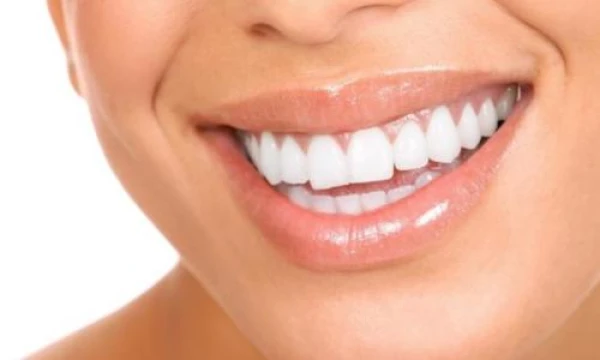
It is known that teeth whitening is an aesthetic procedure that improves the color of the teeth. However, many doubt its impact on oral health. Does this procedure harm tooth tissues? The chemical compositions that act on the enamel can raise concerns. Nevertheless, it is not all so straightforward.
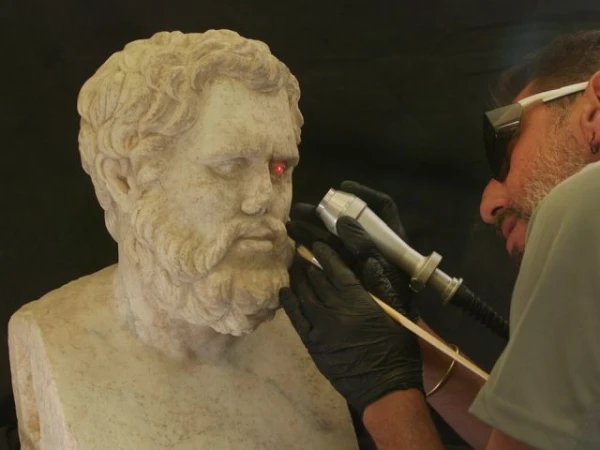
“There is a type of procedure called laser whitening, where a gel with a whitening agent is activated by a laser beam,” explains the expert. “Caries-causing bacteria cannot tolerate laser radiation and die upon exposure. Therefore, if you want to combine the pleasant with the useful, you can sign up for professional hygiene and a laser whitening procedure, after undergoing an examination to ensure there are no contraindications. This combination of procedures will help strengthen the health of your teeth in the cold season and improve the color of your smile.”