Hawaiian farmer Bobby Pahia, who grows taro, shares his knowledge about its benefits and unique properties.
Bobby Pahia notes that taro has been known to humanity for over two thousand years, starting from India and Egypt, and later gained popularity in Africa, Asia, and Oceania, where the tropical climate prevails. However, this root vegetable held the most significance for the indigenous people of Hawaii — kanaka maoli, where it not only served as an important food source but also had deep religious roots.
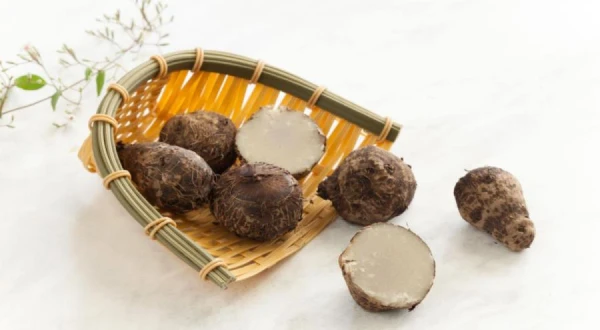
“Scientists have yet to reach a consensus on whether taro is a fruit or a vegetable, but the underground part of the plant, known as the root vegetable, is consumed. From a biological perspective, it is a continuation of the stem, which is why it is referred to as a corm. Externally, the corm resembles a potato covered with numerous fine hairs, which is what gave it the name 'hairy potato.' Additionally, taro is rich in starch, making it a versatile vegetable used in various dishes,” says Bobby Pahia.
He emphasizes that the popularity of taro is due not only to its taste but also to its significant health benefits, as reported by the online publication Eater.
“Recent studies have confirmed the positive impact of this product on the human body. Taro contains a multitude of vitamins and amino acids, and the levels of copper, potassium, and manganese significantly exceed those found in other vegetables and fruits. Moreover, this product is low in calories. Doctors recommend including taro in the diet to prevent arthritis, gastrointestinal issues, weakened immunity, and even in some cases, cancer. It is also beneficial for improving vision and preventing diabetes,” explains Pahia.
The farmer is confident that it is precisely due to its health benefits that taro has gained popularity in North America, Europe, and among tourists from Asia.
Bobby Pahia adds that the product can only be consumed after cooking, as it is toxic in its raw form. For those who decide to grow it, the farmer advises thoroughly studying the characteristics of the crop, as it can be a challenging task.
Videos are becoming popular on social media where tourists try fried taro served with a thick sauce. The videos show the product being fried in a large amount of oil and left on a rack. During frying, the sugar in the vegetables caramelizes, giving the snack a rich sweet-nutty flavor and a crispy texture.