
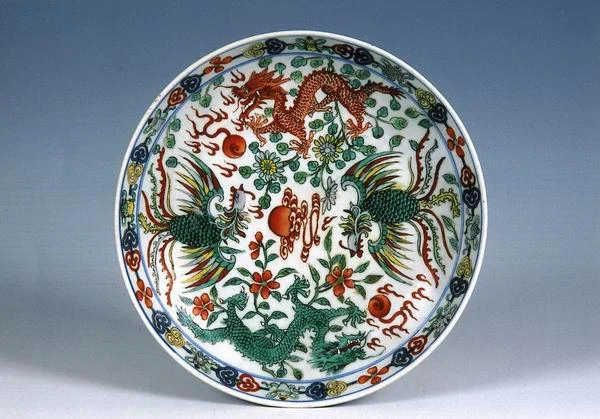
It combines functionality and aesthetics.
The Chinese became the first masters of porcelain about two thousand years ago. The production process primarily uses white clay (kaolin) and porcelain stone, which is a mixture of quartz and feldspar. Depending on the source, these materials can vary in composition.
Some impurities, such as iron oxide, give porcelain a reddish tint, while others may reduce water resistance and so on.
Chinese raw materials have allowed for the creation of ceramics with a uniform structure, free of 'flecks', thin and almost transparent, yet at the same time strong and dense, producing a delicate ringing sound upon contact. Thanks to high-quality glaze, colors on Chinese porcelain retain their brightness for thousands of years.










Leave a comment