
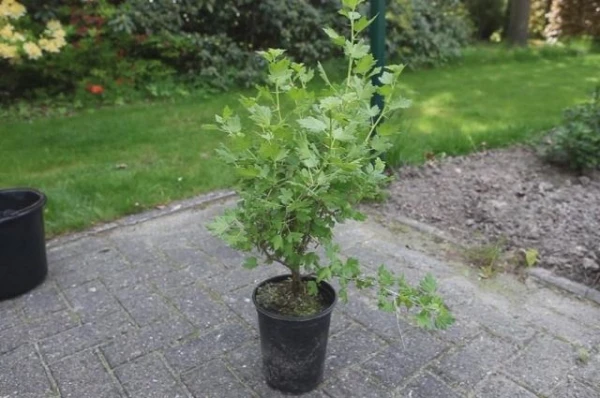
Told by experienced gardener, agronomist Alexander KHOROBROVETS.
- Before planting berry crops in the prepared hole, add 8-10 kg of compost, 150-200 g of superphosphate, 30-40 g of potassium salt, and 50 g of lime. In clay soils, it is necessary to add ½ bucket of sand to each hole, while in sandy soils – 1 bucket of clay.
The seedlings of currants and gooseberries must be carefully examined before planting: damaged roots should be cut with a garden knife to a healthy place, and the above-ground part should be shortened, leaving stumps of 15-20 cm. Dip the roots of the seedlings for 24 hours in a slurry – a mixture of clay and manure, diluted with a solution of heteroauxin (1 tablet per 10 liters of water).
Black currant seedlings should be planted at a 45-degree angle to the soil surface, with the root collar buried 8-10 cm deep – the part of the shoots covered with soil will produce additional roots. To accelerate the formation of the bush, three seedlings can be placed in the planting hole at an angle to the periphery in a triangle, 30 cm apart from each other.
Gooseberry seedlings should be planted vertically, 3-5 cm deeper than they grew in the nursery.
To facilitate soil care and improve lighting when planting berry bushes, the shoots can be spread out to the sides of the bush in open furrows 5-8 cm deep instead of cutting them; emerging vertical shoots should be spaced 10 cm apart and hilled with soil. In the future, leave three root shoots at the base of each branch.
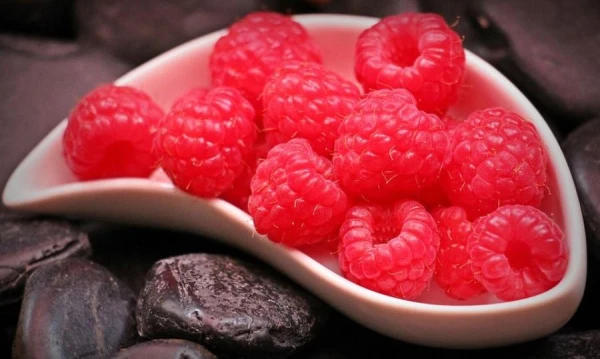
Raspberry seedlings must be cut before planting to a height of 30-40 cm from the root collar. Plant at a distance of 1.5-2 m between rows, and 0.7-0.9 m within the row, vertically, without burying the root collar.







Leave a comment