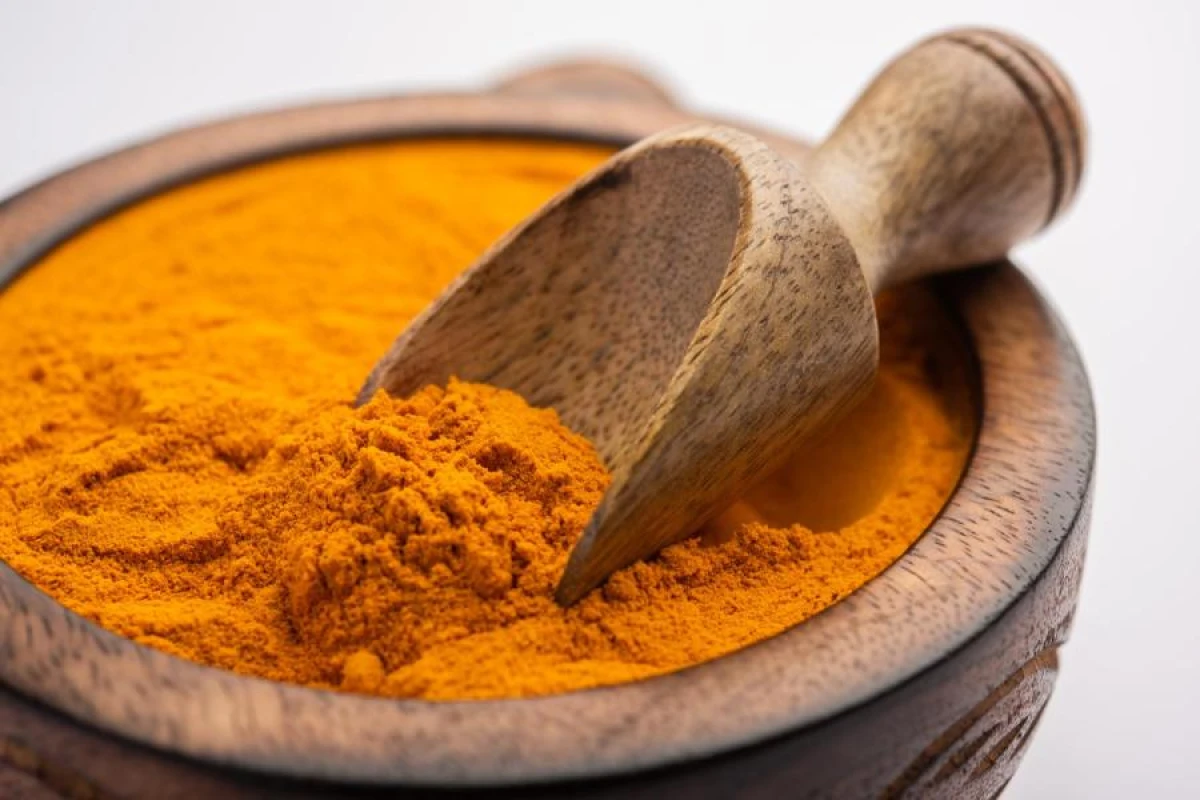
Turmeric, known thanks to the sages of antiquity, is considered one of the most valuable spices. However, its use is not limited to cooking. Turmeric is used to treat various diseases as well as for preventive purposes.
Turmeric is one of the brightest and most aromatic spices, capable of changing the taste and color of any dish. It is added to meat and fish dishes, dairy products, baked goods, and beverages. Turmeric is used to prepare the famous "golden milk," which, according to ancient physicians, has no equal in the fight against inflammatory diseases.
Modern research has confirmed that turmeric plays an important role in combating the coronavirus. As a result, the spice has started to be purchased in large quantities, without considering that it can become not only a friend but also an enemy if certain rules are ignored.
Nutritionist Vicky Petersen, whose opinion is referenced by the publication Eat This, Not That!, claims that turmeric may contain toxic substances, including lead. Therefore, when purchasing, one should not chase after cheap spices, which often have silicon dioxide added to prevent clumping and gluten-containing flour.
It is important to remember that the maximum norm of turmeric is one teaspoon, which corresponds to 4.40 g of the spice. When using supplements, one should follow the manufacturer's recommendations indicated on the packaging. Ignoring portions can lead to unpleasant symptoms such as nausea and stomach discomfort.
People prone to kidney stone formation are advised not to overindulge in turmeric. The oxalates contained in the spice can negatively affect health, the expert notes. Turmeric is contraindicated for:
children under 6 years old;
people with hypotension and those suffering from low blood pressure;
pregnant and breastfeeding women;
people with gallstone and kidney stone diseases, gout;
patients taking anticoagulants;
two weeks before planned surgical operations.
The last restriction is due to the fact that turmeric thins the blood, which can be dangerous after surgical intervention. Caution should be exercised when consuming turmeric for people with anemia and those prone to allergic reactions.
When the rules of consumption are followed, this spice can strengthen the body, reduce the risk of inflammation, improve digestion, accelerate metabolism, and enrich the body with vitamins, minerals, and antioxidants.
To achieve maximum benefits, turmeric is recommended to be combined with black pepper, which increases its effectiveness by 2000 percent. This is not just words, but conclusions made by an international group of scientists during a study conducted in 2010.