Where did the nectarine come from? How does it differ from a peach? In which diseases are these fruits beneficial, and in which are they contraindicated?
Alla Fedorchenko, endocrinologist-nutritionist
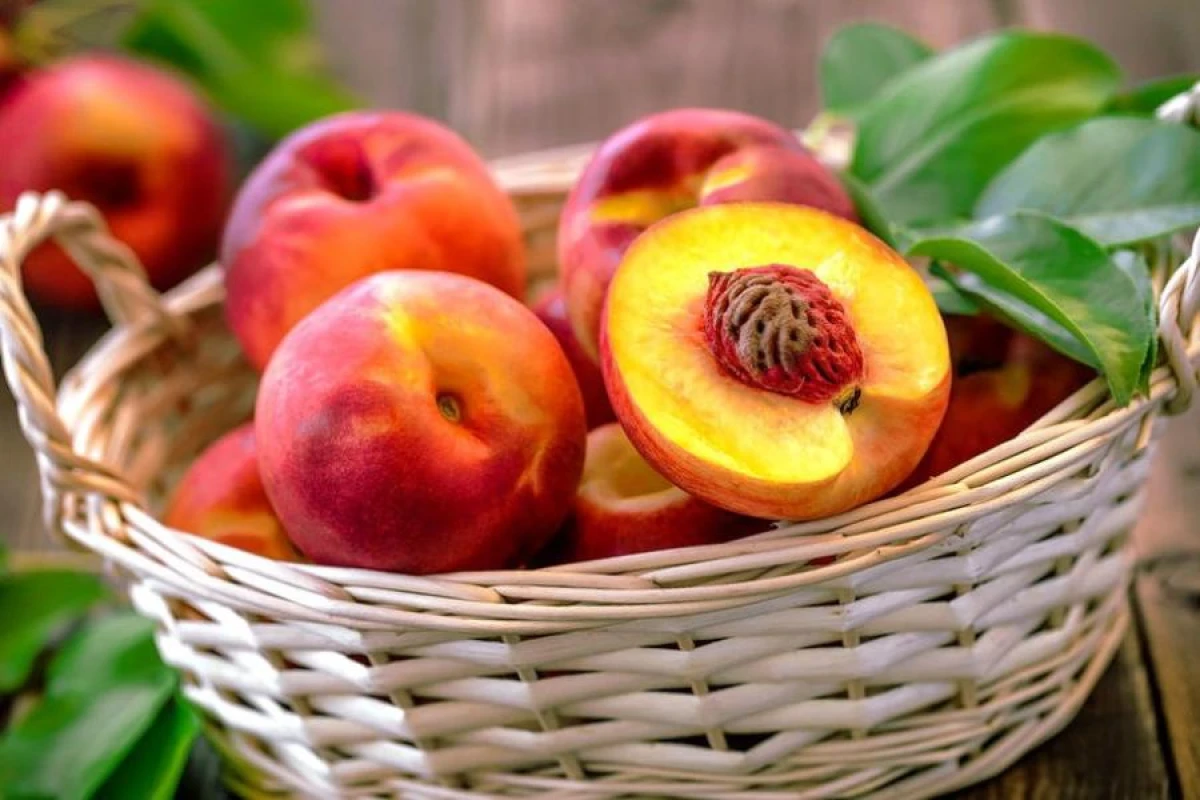
A nectarine is a smooth-skinned or fuzzless peach known for its outstanding taste qualities. Its homeland is China. Currently, nectarines are cultivated in countries such as Greece, Italy, Tunisia, and other regions with a warm climate. Ripe nectarines are less resistant to external influences and do not store as well as peaches. However, they appear more vibrant and ripe due to the absence of fuzzy covering on the skin. The flesh of these fruits may have a slightly bitter taste and possesses a characteristic almond aroma.
The name "nectarine" comes from the Greek word meaning "a drink that the gods drink." In China, this fruit is also referred to as "food of the gods" and is considered a symbol of longevity.
Composition of Nectarine: Vitamins and Caloric Content
Chemically and biologically, nectarines are close to peaches. They contain sodium, calcium, magnesium, sulfur, pectin substances, silicon, citric and malic acids, as well as glucose, sucrose, and fructose, vitamin C. Compared to peaches, nectarines contain twice as much provitamin A, as well as more iron, phosphorus, and potassium.
Interesting fact: Nectarines can grow on peach trees, while only regular peaches grow on nectarine trees.
The caloric content of nectarines per 100 g of product is 48 kcal:
Proteins – 0.9 g
Fats – 0.2 g
Carbohydrates – 11.8 g
Health Benefits of Nectarine:
* Effective for hypertension and atherosclerosis, as it helps to eliminate sodium and fluid from the body.
* Nectarine aids in cell recovery. The phosphorus it contains is a vital element for cells and tissues, ensuring their restoration and proper care.
* Promotes improved secretion of digestive glands.
* Helps prevent the development of cancer and supports the normal functioning of the nervous system.
* Improves vision due to the presence of lutein and zeaxanthin, which are also found in the retina. Taking these pigments in large doses reduces the risk of cataracts.
* Positively affects skin health. Nectarines are rich in bioflavonoids, which protect collagen fibers in the skin from destruction, slowing down the aging process.
* May suppress the activity of harmful microorganisms due to the presence of pectin compounds.
* Contributes to lowering cholesterol levels in the blood, as the soluble fiber in these fruits positively impacts the cardiovascular system.
How to Properly Consume
Nectarines provide the most benefit when eaten fresh. They can be eaten alone or added to fruit salads, dressed with unsweetened yogurt.
A healthy person can safely consume up to four fruits a day. It is recommended to do this either 15 minutes before meals or an hour after, so the stomach is not full. This will ensure better absorption and maximum benefit.
Contraindications
Doctors may completely exclude nectarines from the diet only for allergy sufferers who have an intolerance to this product. Others can consume them, including people with diabetes. However, those with diabetes should limit themselves to one fruit per day and monitor blood sugar levels, as nectarines contain fructose.
Caution is also recommended for those with gallbladder problems or suffering from exacerbations of chronic gastrointestinal diseases. When the disease goes into remission, the consumption of nectarines is allowed.
Nature has gifted us nectarines "by mistake": this fruit resulted from a random mutation of the peach, and we are very grateful for such a gift. It is delightful: sweet, juicy, and at the same time beneficial!