There are many myths about which foods should not be combined. For example, traditional combinations like carrots with cabbage or tomatoes with cucumbers are now considered outdated. But is this really the case? How to create a truly delicious salad and what can spoil it?
Avoid these common mistakes when making salads
1. When creating a dish, don’t overdo it with the number of ingredients. Add products one at a time and taste periodically to understand what should be excluded.
2. Replace croutons and crackers with nuts — they are an excellent source of protein and healthy fats.
3. Do not dress the salad before adding nuts, so they retain their crunchy texture.
4. If croutons are necessary, add them at the very end; otherwise, they will become soggy from the moisture of the vegetables.
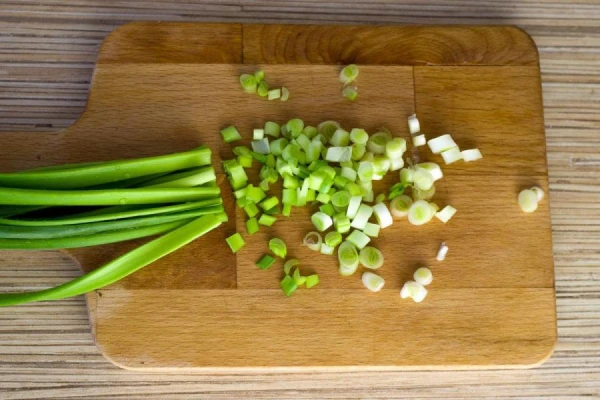
5. Do not add raw onion immediately after chopping. It’s better to soak it in cold water for ten minutes or lightly salt it to soften its sharp taste and smell.
6. Do not store simple vegetable and fruit salads for long; otherwise, they will lose their texture. Prepare such dishes just before serving and consume them immediately.
7. It’s better to tear lettuce leaves by hand rather than cut them — this helps retain more moisture and aroma.
8. Not all salads should be dressed immediately after chopping. Some, like herring under a fur coat, should soak in the sauce, while others, like tomato salad, are better not dressed in advance, or they will become watery.
9. Ingredients should be of the same size so that all components fit into each serving of salad.
10. Do not add an unfamiliar dressing to a finished dish if you are unsure of its taste. First, try dipping the main ingredients into it to see if it’s suitable.
11. Avoid using wet products. Thoroughly dry vegetables, fruits, and greens with a paper towel: excess moisture can spoil the taste and make the dish watery.
Can the combination of certain ingredients harm health?
A salad is a symphony of flavors: the slight bitterness of crunchy walnuts, the creamy saltiness of tender cheese, the sweetness of exotic fruit... However, many wonder if some products can be combined without causing digestive issues. In most cases — no.
Nevertheless, the body's reaction to different combinations can be individual. Some people digest milk with cucumber well, while others may feel unwell from a regular vinaigrette.
There are combinations that can indeed cause stomach discomfort:
* Sweet and sour fruits with any vegetables: orange with carrot, pineapple with potato, pomegranate with cabbage.
* Products with different types of protein: lentils with eggs, peas with fish, chickpeas with meat.
* Fruits high in protein and starch: avocado with apple, kiwi with banana.
Although the ideas of proper combining have a long history and are supported by Ayurveda, traditional science refutes them.
Myth #1. The body cannot digest mixed food.
This is not true. It has been proven that many products contain carbohydrates, fats, and proteins in various proportions. For example, meat is considered a protein product, but even lean meat contains fat. Therefore, there is no need to worry about the body having to choose between digesting different nutrients. The digestive tract always operates in multitasking mode.
Myth #2. Incorrect food combinations create an unsuitable pH for digestive enzymes and can cause stomach disorders.
This is incorrect. Consuming more alkaline or acidic foods slightly changes the pH of the digestive tract. Scientists have proven that when consuming very acidic or alkaline foods, the body regulates the amount of digestive juices to maintain the necessary pH level.
Myth #3. Incompatible foods ferment and decompose in the stomach, creating harmful bacteria.
Some believe this is why they should not be eaten together: that “incompatible” foods will ferment and provoke the appearance of harmful bacteria. However, high acidity in the stomach destroys any microorganisms that enter and limits excessive bacterial growth. This has also been proven.