
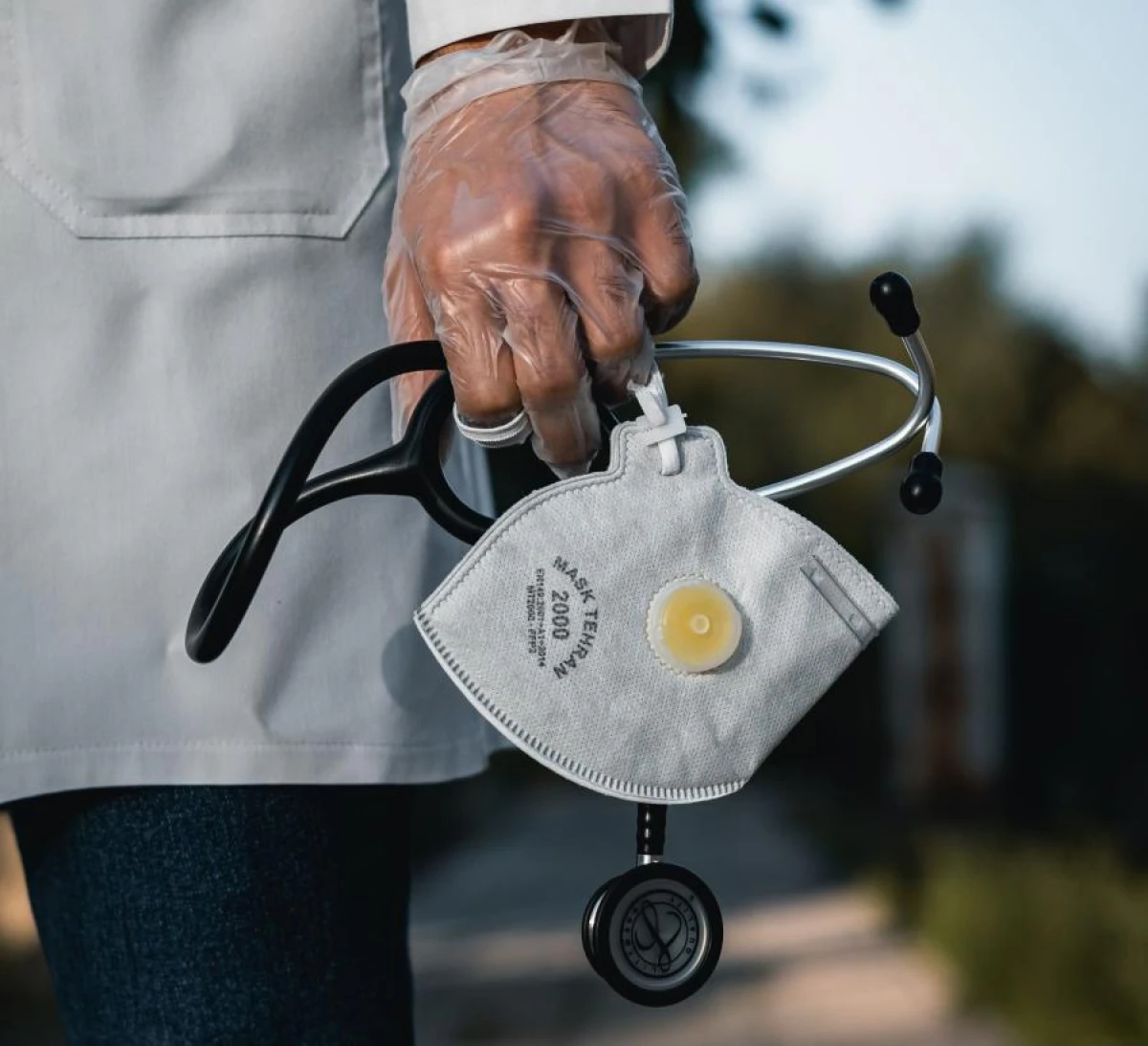
The readiness of the Latvian healthcare system for potential crisis situations is gradually improving, but there are still a number of unresolved issues - for example, the involvement of family doctors, the availability of medications, and ensuring the functioning of hospitals, public media report.
This was discussed on Tuesday in the Saeima subcommittee on public health. There is still no complete clarity on how the healthcare system will function in crisis situations, as some decisions are still being developed.
The organization of medical assistance in crisis conditions is defined by the National Disaster Medicine Plan, which was updated and reapproved only last month. The plan describes how hospitals should respond in the event of a crisis, outlines their potential, information turnover, and provides for training in emergency situations.
Part of this information is classified.
As stated by responsible officials in the Saeima subcommittee, the experience of Ukraine is also taken into account when preparing for potential crisis situations. This means that hospitals must be equipped with generators and be as resilient as possible to potential strikes.
Hospitals assess their own readiness for crises, and based on these self-assessments, the Ministry of Defense will select some of them. The meeting also discussed possible weaknesses in the system - for example, how people will be able to obtain medications in a crisis situation. As the Ministry of Health's expert on emergency preparedness Juris Raudovs explained, the usual opportunity to purchase medications at pharmacies will remain in the event of a crisis, and local civil defense commissions will assist in case of disruptions.
Deputy Inggrida Circe responded to this with a question about what role local governments have in issuing prescriptions or medications. In her opinion, family doctors should be involved in this - it is necessary to determine in advance which family doctors are ready to work in crisis conditions. Raudovs stated that cooperation between civil defense commissions and family doctors is planned, to which Circe replied that this would create an unnecessarily complicated system.
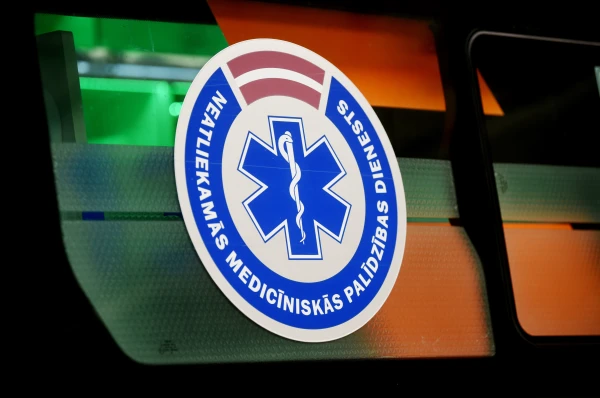
The chairman of the Rural Family Doctors Association, Ainis Dzalbs, said that he and his colleagues do not feel sufficiently involved, which raises concerns. Dzalbs stated, "We are greatly concerned that in a critical situation, hospitals along with the Emergency Medical Service (EMS) will be able to take on all healthcare functions, completely excluding primary medical care."









Leave a comment