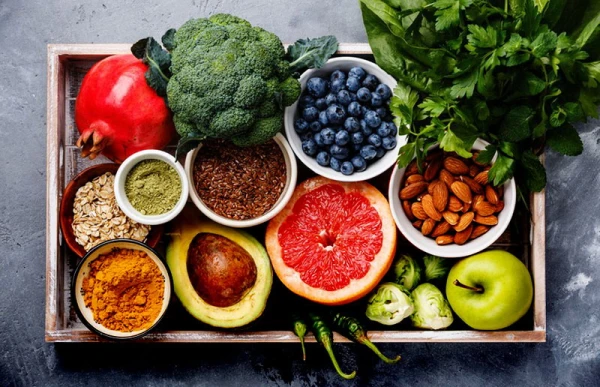
In the presence of chronic diseases, a person's immune system is constantly active. Proper nutrition helps reduce inflammatory processes. Foods rich in vitamins, minerals, fiber, and antioxidants help combat free radicals that harm cells.
Berries
Strawberries, raspberries, blueberries, and blackberries are not just sweet treats. They contain anthocyanins, which give the fruits their red and purple hues. These phytochemical compounds have anti-inflammatory properties, reducing the risk of developing diabetes, cardiovascular diseases, and cognitive impairments.
Fatty Fish
Salmon, tuna, and sardines are excellent sources of Omega-3 fatty acids, which decrease the likelihood of stroke and heart attack. Their regular consumption slows down inflammatory processes, especially in blood vessels, and protects them from plaque formation. These foods also help lower levels of C-reactive protein, a marker of inflammation in the blood.
Leafy Greens
Arugula, Swiss chard, and kale are rich in vitamins A, B, C, E, and K. They contain important minerals such as iron, magnesium, and potassium. Spinach helps reduce inflammation levels over time, slows cognitive decline, and decreases the risk of ischemic heart disease and stroke.
Nuts and Seeds
Pistachios and almonds are high in fiber and other nutrients that support gut health. This, in turn, reduces inflammation in the brain. Walnuts, sunflower seeds, pumpkin seeds, flaxseeds, and chia seeds are good sources of Omega-3 fatty acids.
Tomatoes
These fruits have their unique properties thanks to the phytochemical compound lycopene. It gives tomatoes their bright red color and helps lower levels of interleukin-6, a protein that promotes inflammation. Tomatoes are also linked to a reduced risk of cardiovascular diseases and prostate cancer.
How to Organize Nutrition
To ensure an adequate intake of foods that help combat inflammation, dietitians recommend the following:
1. Consume at least two servings of fatty fish per week.
2. Include two fruits and three vegetables in your daily diet.
3. Use olive oil for dressings.
4. Increase fiber intake through legumes (beans, lentils).
5. Eat a handful of nuts or seeds daily.
6. Combine several types of vegetables and greens in salads.
7. Prepare dishes from whole grains — quinoa, brown rice.
8. Add a small amount of dairy products and lean proteins.