
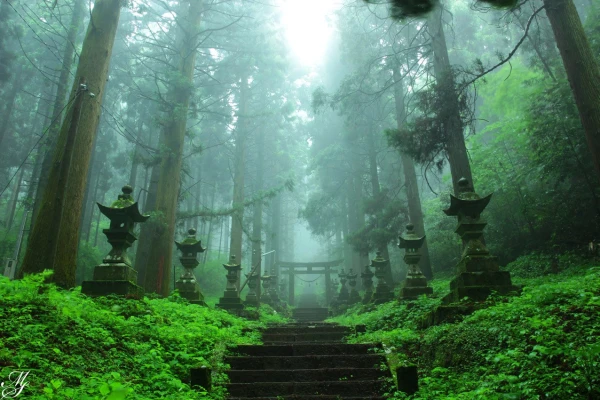
Mystical locations — from ancient castles to abandoned islands — attract thousands of tourists every year. Travelers go there not only for the architecture or nature but also for the unique atmosphere associated with legends, mysteries, and stories of the past.
Interest in the Unknown
Humans are inherently attracted to everything mysterious. Places surrounded by stories of ghosts, strange phenomena, or curses evoke strong curiosity. Tourists strive to personally verify the tales they have heard and feel the atmosphere that words cannot convey.
The Effect of Safe Fear
Visiting such locations provides a sense of mild fear without real threat. Dark corridors, ancient buildings, and night tours create an effect of controlled risk. It's similar to watching horror movies: the emotions are intense but safe.
The Role of Legends and Stories
Many popular places owe their fame to legends. Stories about ghosts, mysterious events, or historical figures are passed down through generations and become part of the cultural heritage.
Over time, such narratives create a lasting interest and turn ordinary sites into tourist brands.
The Search for Vivid Impressions
Modern travelers increasingly choose trips for the emotions rather than just for beautiful views. Mystical tours, walks through abandoned buildings, or 'anomalous zones' are remembered more vividly than traditional routes.
The Influence of Social Media
Additional interest in such places is amplified by social media. Atmospheric photographs of old castles, cemeteries, or abandoned sites attract attention and inspire other users to replicate such experiences.
The Most Famous Mystical Destinations
Among locations with the most mysterious reputations, several destinations stand out that have become symbols of mystical tourism.
Bermuda Triangle — a section of the Atlantic Ocean between Florida, the Bermuda Islands, and Puerto Rico. It gained notoriety due to reports of mysterious disappearances of ships and planes in the 20th century. Despite scientific explanations, the legend of the 'anomalous zone' continues to attract tourists.
Aokigahara Forest — a dense forest at the foot of Mount Fuji in Japan. It is known for its unusual silence and complicated reputation. The thick vegetation and winding paths create a sense of isolation, while numerous legends enhance the mystical atmosphere.
Bran Castle — a medieval fortress in Transylvania associated with the image of Count Dracula. Although the historical connection to the legend is disputed, it is this image that has made the castle one of the most popular tourist spots in the region.
Poveglia Island — a small island in the Venetian Lagoon. In the past, it housed quarantine stations and a psychiatric hospital, which became the basis for frightening stories and rumors. Today, it is considered one of the most mysterious places in Europe.
Stonehenge — an ancient stone complex in the United Kingdom. Its origin and purpose remain subjects of scientific debate. There are numerous theories — from an astronomical observatory to a ritual center.
Why Interest Continues to Grow
Experts note that the popularity of so-called 'dark tourism' continues to increase. Travel companies are increasingly offering routes related to mysticism, historical tragedies, and mysteries of the past.
Such trips allow for an unusual experience, combining history, emotions, and atmosphere. As a result, fear and mystery become an integral part of modern tourist culture.












Leave a comment