To avoid negative consequences, specialists recommend not exceeding a dose of 3 grams of turmeric per day.
Turmeric, also known as Indian ginger, is a popular and beneficial spice. However, some people should avoid its consumption to prevent health issues, reports RBC-Ukraine.
The Health Benefits of Turmeric
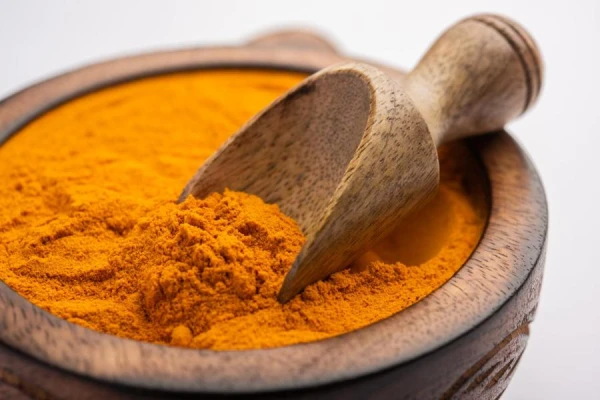
Turmeric has a bitter taste and a bright yellow color. Currently, dried and ground turmeric root is widely used not only in Asian cuisine but also in other regions of the world.
This plant is included in the "golden list" of Ayurveda and is used to improve health as:
* an anti-inflammatory and antibacterial agent
* an antioxidant
* a powerful cleanser of blood and the body from toxins and waste
Scientific studies have confirmed the anti-inflammatory, antiviral, analgesic, antimicrobial, and anticancer properties of turmeric.
Regular Consumption of Turmeric:
* strengthens the immune system by activating the growth of leukocytes and lymphocytes (cells that fight infections)
* enhances the body's protective functions during seasonal illnesses
* promotes quick recovery after illnesses
* positively affects the liver and other organs
* reduces the risk of cardiovascular diseases
* helps with joint diseases (including relief from arthritis)
* stimulates mental activity
Who Should Avoid Turmeric
To avoid negative consequences, specialists recommend not exceeding the daily norm of 3 grams of turmeric. At the same time, some people should completely exclude this spice from their diet.
Turmeric is not recommended for people with allergies, pregnant and breastfeeding women, as well as children under six years old.
Additionally, contraindications for turmeric consumption include:
* post-stroke conditions
* diseases of the bile ducts
* hypertension
* acute gastrointestinal diseases
* inflammatory processes in the kidneys or pancreas
* hepatitis
* gastritis
* ulcers
* vascular diseases
* glaucoma
* taking anticoagulants and medications for diabetes
Why Turmeric is Called Toxic
In a series of studies, scientists found that unscrupulous manufacturers may add special dyes and other harmful components to packaged turmeric (sold in stores). This is done to improve appearance and reduce production costs.
In one study, lead chromate was found in spices, with "spoiled" samples coming from seven out of nine supplier regions.
Considering this, scientists warn: using low-quality turmeric in dishes can lead to heavy metal poisoning, as lead poses risks to the heart and nervous system and can cause various diseases in children.
Source: 1001sovet