On the great holiday of Easter, representatives of all confessions exchange special pastries prepared specifically for this day.
Fresh bread on the festive table for believers symbolizes the presence of Christ, reports “Delikateska.” The round shape of Easter pies is a legacy of pagan spring traditions, when the fresh loaf embodied the spring sun and was part of rituals associated with a future bountiful harvest. In our tradition, the main Easter treats are sweet kulich. But how is this holiday celebrated in other countries?
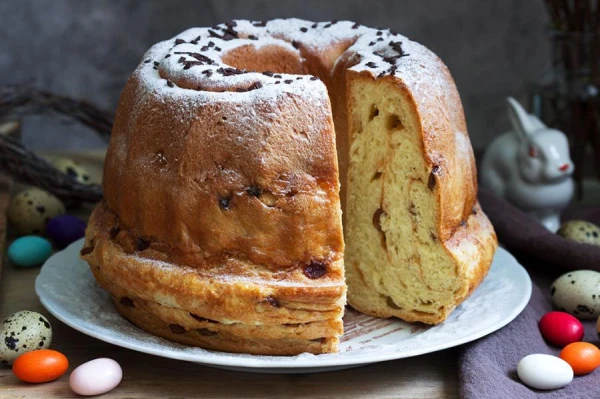
Reindling
An Easter pie popular in Austria, Germany, and Slovenia. It has been known since the 16th century, and in peasant families, it was prepared not only for Easter but also for other important occasions.
The base is a sweet yeast dough with raisins, cinnamon, and anise, sometimes with the addition of cognac or rum. The pie can also be made with a filling of dried fruits and nuts. The dough is rolled out, brushed with butter, and sprinkled with filling, then rolled into a log and baked in a round shape with a hole in the middle.
Simnel
An English cake-pie that is baked not only for Easter. This pie was traditionally served to mothers on the 4th Sunday of Lent — Rose, or Mothering, Sunday.
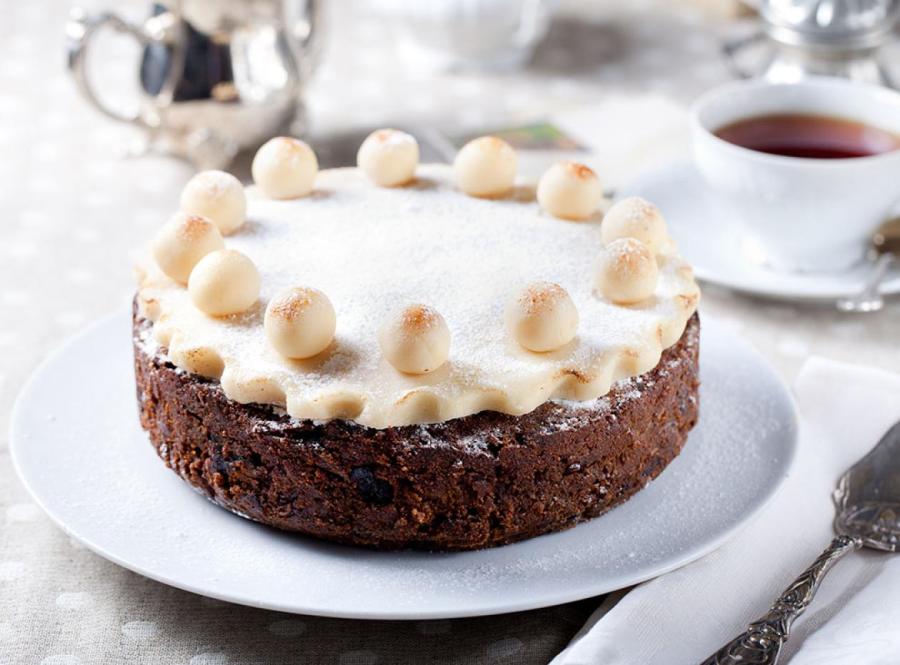
The dough consists not only of finely ground wheat flour (lat. Simila) but also almond flour, which allows the cake to stay fresh longer. Ground ginger and dried fruits soaked in berry syrup or liqueur are also added to the dough. The traditional decoration of simnel is icing and 11 marzipan balls around the edges, symbolizing the 11 apostles, and one ball in the center (symbolizing Christ).
Mazurek
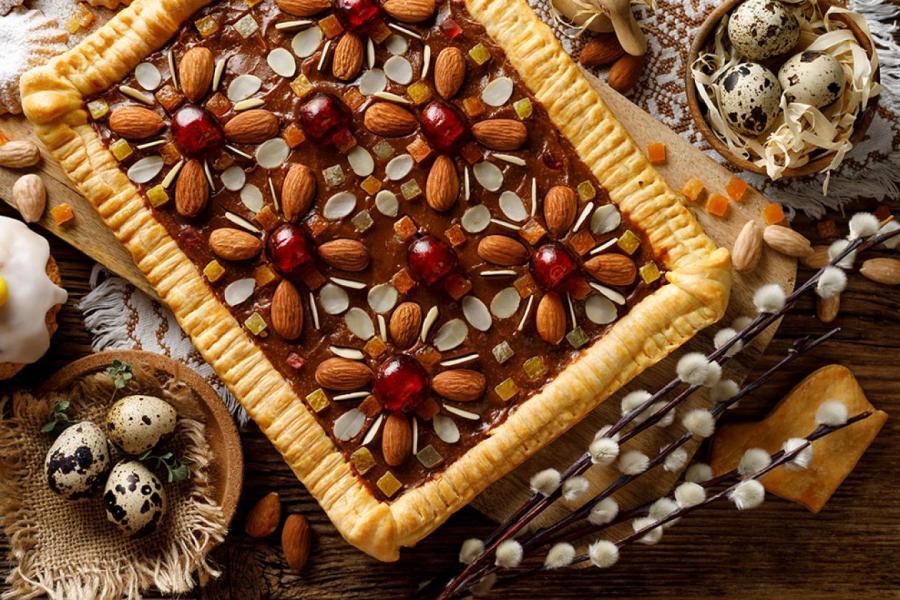
This is an Easter pie from Poland. In some European regions, “mazureks” are popular — cookies that represent the same pie cut into pieces. The base is a crust or several layers of crumbly shortcrust pastry. The layers are soaked in jam or cream, decorated with icing, melted chocolate, nuts, and candied fruits. The traditional pattern for Easter mazurek is branches of willow made from almonds.
Tsureki
This is Greek Easter bread. Like kulich, it is baked from sweet yeast dough with raisins, candied fruits, or dried fruits. However, unlike kulich, tsureki can be either round or braided. In the center of the finished braid, as well as in the round bread, dyed Easter eggs are placed.
Colomba Pasquale
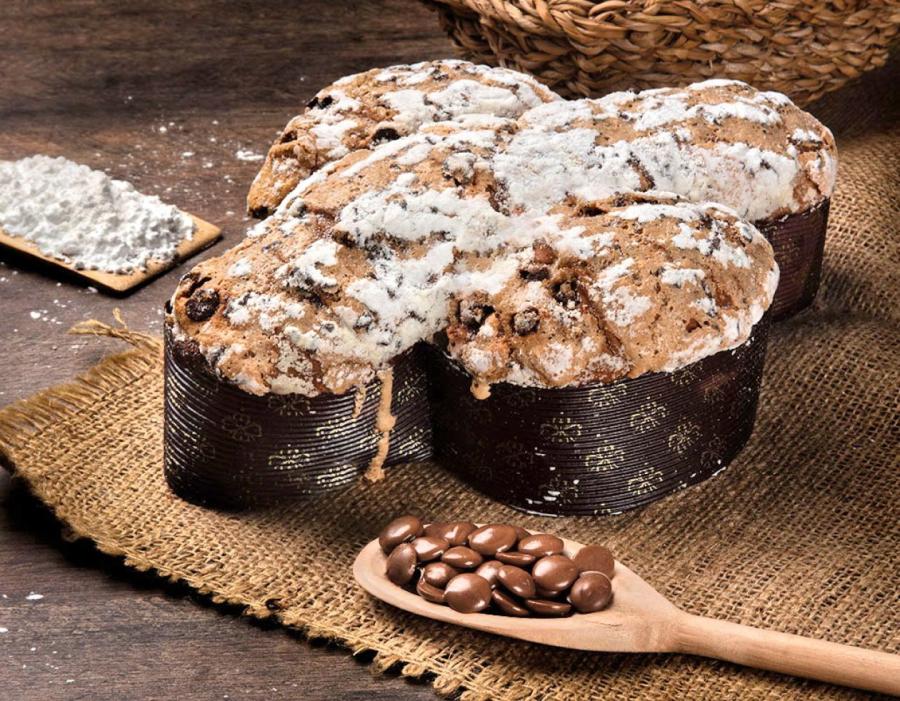
An Italian Easter cake, the name of which translates to “Easter dove.” It is easy to guess that such a cake is baked in the shape of a dove and symbolizes peace. Round pies, reminiscent of kulich, are prepared in Italy for the Christmas holiday. The base of the traditional colomba pasquale is dough made from soft wheat varieties on a honey starter, which is prepared over six days and then rises for another 12 hours. Modern housewives, seeking to simplify the process, sometimes use sweet yeast dough. In any case, raisins and candied fruits are added to the dough, and the finished doves are decorated with icing and nuts, most often almonds.
Pasqualina
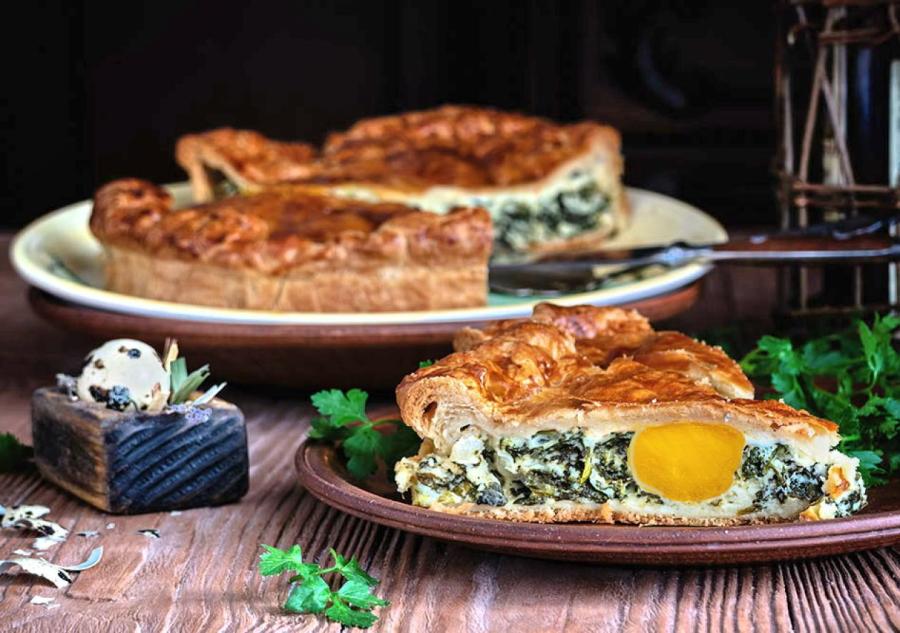
This is a savory Italian Easter pie known since the 16th century. Its base consists of 12 (the number of apostles) or 33 (the age of Christ) unleavened crusts made from flour, water, and olive oil. However, today, housewives increasingly use ready-made puff or shortcrust pastry. For the filling, spinach or Swiss chard leaves, onions, marjoram, and other greens, as well as ricotta cheese and whole boiled eggs are used. In some Italian provinces, there is also a sweet version of such a pie.
Figolli
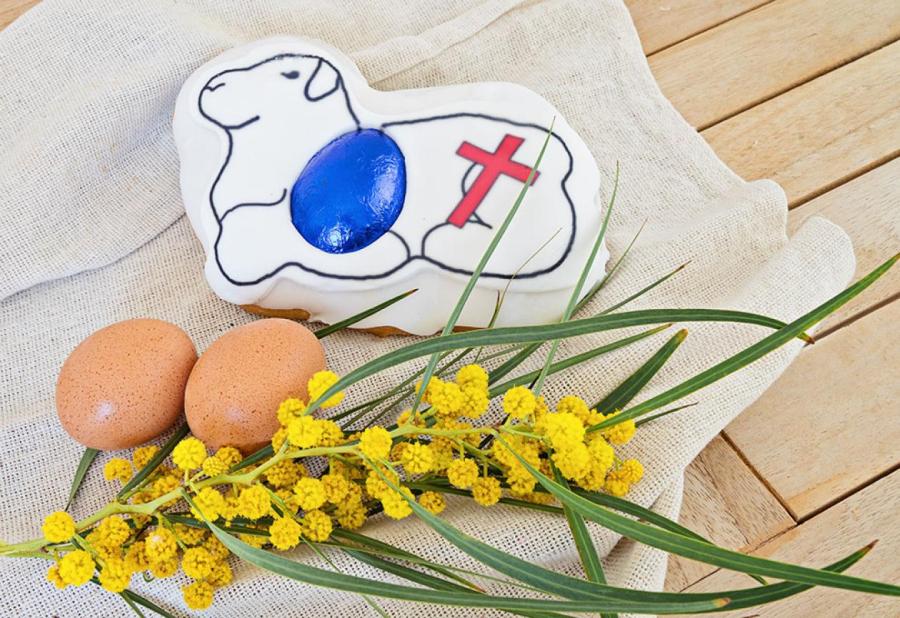
Maltese Easter cookies, first mentioned in the Middle Ages. Each figolla consists of two layers of shortcrust pastry with a filling of ground almonds or marzipan. Traditionally, these cookies represented quite large figures of people with faces drawn in icing, as well as being baked in the shape of fish and baskets full of harvest. Today, figolli are more often made using molds in the shapes of animals, birds, and geometric figures. The finished cookies are decorated with light icing and adorned with confectionery pearls and chocolate eggs.
Kraffins
These products were invented relatively recently, in 2013, and quickly gained popularity in the USA. They combine features of a croissant and a muffin. The base is the same sweet yeast dough, formed in layers and rolled into a log. The log is cut into pieces, which are baked in muffin or kulich molds. Any filling can be used for kraffins, or they can be left plain, sprinkled with powdered sugar or drizzled with icing.