
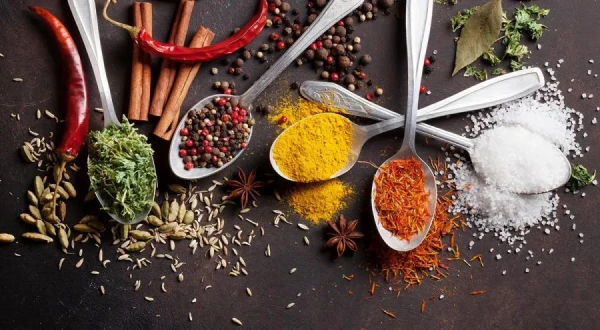
Spices that add a unique flavor to dishes also possess numerous health benefits. Which spices are effective for various diseases?
Ginger — a natural antiviral and anti-inflammatory agent
The root of ginger is rich in vitamins, minerals, essential oils, and beneficial fatty acids. It contains magnesium, phosphorus, calcium, iron, zinc, potassium, chromium, manganese, silicon, as well as vitamins A, B1, B2, B3, C, E, K. Additionally, ginger contains amino acids such as leucine, valine, isoleucine, threonine, lysine, methionine, phenylalanine, and tryptophan. Due to this rich composition and warming effect, ginger effectively fights viruses, has a diaphoretic and expectorant action. This is especially relevant in the treatment and prevention of throat diseases, coughs, and colds.
Ginger, used as an antibacterial, antiviral, and anti-inflammatory agent, becomes a reliable assistant in cases of nausea, especially during pregnancy.
Cinnamon — for improving memory
Cinnamon is known for its ability to stabilize blood sugar levels and is recommended for patients with diabetes due to this property. However, it is important for people with diabetes to consult a doctor before consuming cinnamon, as it may interact with certain medications.
Moreover, cinnamon helps maintain cholesterol levels, has antioxidant, antiseptic, and antibacterial properties. It prevents blood clotting and promotes better digestion due to its high fiber content.
Cinnamon also reduces the risk of cancer cell proliferation in leukemia. Chewing or smelling cinnamon gum can improve memory, making it beneficial for diseases such as Alzheimer's.
Turmeric — protection against osteoporosis
Turmeric, belonging to the ginger family and known as Indian saffron, has anti-inflammatory, antioxidant, and anti-tumor properties. It is used in the treatment of diseases such as Alzheimer's.
Turmeric can be used in addition to therapy for colon, prostate, pancreatic, and breast cancer, but it is essential to consult a doctor beforehand. It also reduces pain in arthritis, pancreatitis, and inflammatory bowel diseases.
Turmeric serves as a natural protector against gallstone disease, regulates blood pressure, and has protective properties against osteoporosis. For those who want to include turmeric in their diet, it can be added to dishes such as rice, pasta, meat dishes, eggs, and soups.
Cumin — against acne and pimples
Cumin helps balance blood sugar levels and improves skin condition, making it an effective remedy against acne, pimples, and age wrinkles. It is also beneficial in treating anemia due to its high iron content, combats asthma, and strengthens the immune system.
However, excessive consumption of cumin can negatively affect the liver and kidneys, so it is not recommended during pregnancy, as it may lead to miscarriage.
Flaxseed — for normalizing bowel function
Flaxseed, rich in omega-3 fatty acids and fiber, supports digestive health and normal bowel function. It helps regulate blood sugar and cholesterol levels and protects against cardiovascular diseases, reducing the risk of breast and prostate cancer. Flaxseed can be soaked in water and added to salads.
Chia — for stabilizing cholesterol levels
Chia seeds are rich in omega-3, 6, and fiber. They help stabilize blood sugar and cholesterol levels. Due to their antioxidant properties, chia seeds reduce the risk of cancer. They can turn into a gel in milk and water, allowing them to be used in various recipes, such as pudding and eggs with milk. Chia, swelling in the stomach, helps satisfy hunger. People with high blood pressure should use chia seeds after consulting a specialist.
The benefits of dill seeds
Dill also promotes better digestion and helps children with digestive issues and flatulence. It is recommended for its milder aroma compared to anise. Dill seed tea is beneficial for intestinal burns, stomach pains, and difficulties with urination.
It is a nutrient-rich substance, abundant in essential fatty acids and antioxidants. Chewing one teaspoon of dill seeds helps freshen breath and eliminate unpleasant odors. Dill also effectively combats the bacteria “E. coli,” which causes infections in the urinary system.














Leave a comment