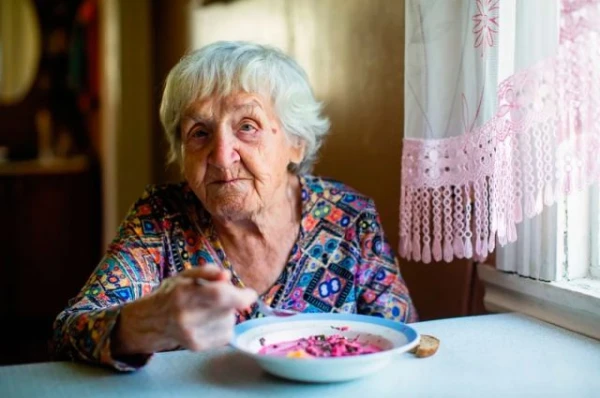
Scientists continue to study how people who have managed to live to 100 years old eat.
For example, a recent article by biologist and healthy aging expert Nina Ruge from Germany was published in Focus. She analyzed data on what people eat in regions where the highest number of centenarians live.
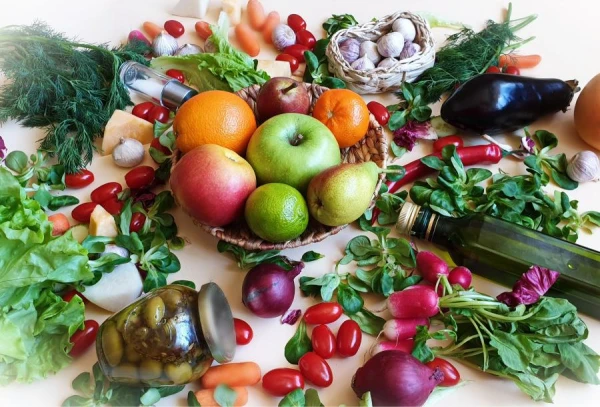
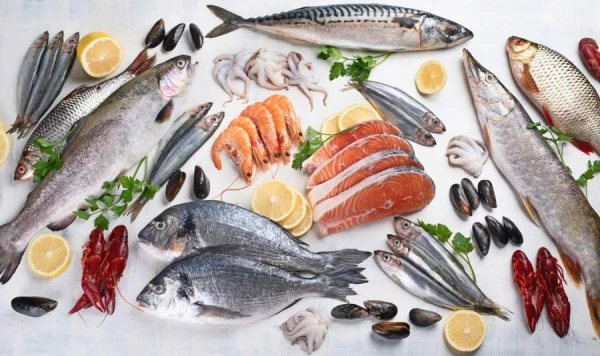
The researcher concluded that the basis of the diet of centenarians is plant-based food (vegetables, fruits, legumes) and fish several times a week. Moreover, after the age of 65, it is advisable to consume more dairy products and eggs to increase protein intake. It is recommended to avoid saturated fats, processed foods, white bread, and sweets in favor of whole grain products.
As for the eating regimen, biologist Ruge suggests limiting the time when food can be consumed to ten hours a day (not eating during the rest of the time). Additionally, she recommends eating only twice a day, plus a small snack. What Centenarians Eat. Scientists Found Commonalities in the Diets of Centenarians Worldwide
Factors of Longevity
Here is what Natalia Denisova, a candidate of medical sciences and a dietitian, has to say.
"Longevity depends on many factors," notes the expert. "First and foremost, it is heredity, living conditions (climate, ecology), and physical activity. Nutrition also plays a significant role. There are scientific studies showing that people who live to very old age often have similar types of diets. In particular, they prefer plant-based foods, do not overeat, and maintain a fairly high level of physical activity."
Regarding this study, the position of Russian dietitians diverges from the proposed regimen of two meals a day.
"I believe this approach is incorrect, especially for older individuals," emphasizes Natalia Denisova. "The efficiency of the digestive system decreases with age (fewer enzymes are produced, etc.). To facilitate digestion, we recommend eating more frequently but in smaller portions. Additionally, older adults often develop diabetes. To prevent sharp spikes in blood glucose and insulin levels, it is also undesirable to have long intervals between meals."
More Protein
As for protein, consumption norms have been developed depending on age and level of physical activity. A healthy middle-aged person with no high physical activity, kidney problems, or other diseases requires 0.8-1 g of protein per kg of body weight.
"With age, the need for protein does indeed increase, as the breakdown of protein in the body begins to outweigh its synthesis," says the dietitian. "Therefore, an elderly person requires 1.1-1.2 g of protein per kg of body weight. At the same time, we recommend that at least half of the required amount, preferably two-thirds, of protein comes from plant sources."
The reason for such limitations is the presence of fat and cholesterol in animal products, and their excess increases the risk of atherosclerosis and other heart and vascular diseases. At the same time, the doctor does not recommend buying low-fat dairy products. Skim milk contains almost no fat-soluble vitamins A and D (which are removed along with the fat), and without them, calcium is poorly absorbed. "Therefore, one should choose full-fat animal products — dairy, eggs, lean meat, fish. But their quantity should be limited," clarifies the dietitian.
The recommendation to increase the amount of plant protein also stems from the fact that it is absorbed worse than animal protein. To obtain sufficient protein from plant products, they need to be consumed in quite large quantities. Grains (various cereals) and legumes are suitable for this.
"However, it should be noted that older adults often suffer from gout, for which we limit the consumption of legumes and meat," warns the doctor.
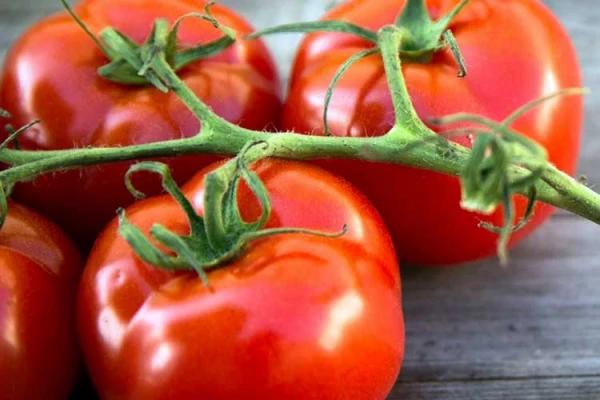
The next focus in the diet of centenarians is a large amount of fruits and vegetables, preferably in thermally processed form to facilitate digestion.
"The diet of an elderly person should predominantly be dairy-plant-based. In cases of intolerance to whole milk (which often develops with age due to enzyme deficiency), we recommend fermented dairy products — cottage cheese, kefir, unsweetened yogurt, low-fat cheese," concludes the doctor.
What to Avoid Eating?
The advice to limit processed foods, sweets, and white bread is supported by all specialists.
"With age, the body finds it more difficult to absorb necessary nutrients," explains Natalia Denisova. "Therefore, one should strive to choose wholesome foods that are rich in vitamins and minerals, rather than those that provide empty calories, like sweets. It is better to choose whole grain bread made from second-grade flour or with bran, which contains more vitamins and fiber. It is also essential to limit salt to prevent spikes in blood pressure and the appearance of edema."
Don’t Forget to Drink
It is also important to have an adequate amount of fluids. It is known that as people age, they tend to "dry out." If a child's body is 80% water, then an elderly person's body is 60%. Since water is already lost, it is essential to drink. "At the same time, older adults often have a dulled sense of thirst. Therefore, they need to be reminded to drink at least a sip of water regularly," adds the doctor.