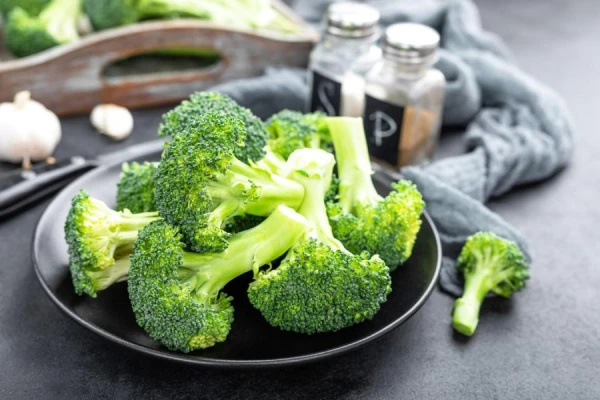
Nutritionist Ekaterina Stasyuk emphasized that broccoli should be part of everyone's spring diet.
“Broccoli is rich in vitamin C, B6, and magnesium. One serving of this vegetable contains almost the daily requirement of vitamin A, which is important for the immune system. Thanks to its rich vitamin composition, the product helps protect the body from dangerous viruses and bacteria that become active in spring,” explained the expert.
Additionally, broccoli strengthens bones, increases their density, and reduces the risk of fractures due to its high vitamin K content.
“Broccoli is one of the leaders in fiber content. Its coarse dietary fibers help the body eliminate toxins, excess sugar, cholesterol, and carcinogens. Research by London scientists shows that regular consumption of this vegetable normalizes digestion and prevents gastrointestinal diseases,” the specialist added.
According to the expert, there is an increase in follicle-stimulating and luteinizing hormone levels, progesterone, and prolactin in spring, which leads to hormonal changes. Broccoli contains a large amount of indole-3-carbinol—an organic compound important for the normal functioning of the female reproductive system.
Stasyuk also noted that broccoli is a dietary product, containing only 34 kcal per 100 g. The high water and fiber content in the cabbage slows down digestion, creating a feeling of fullness and delaying hunger, which contributes to weight loss.