
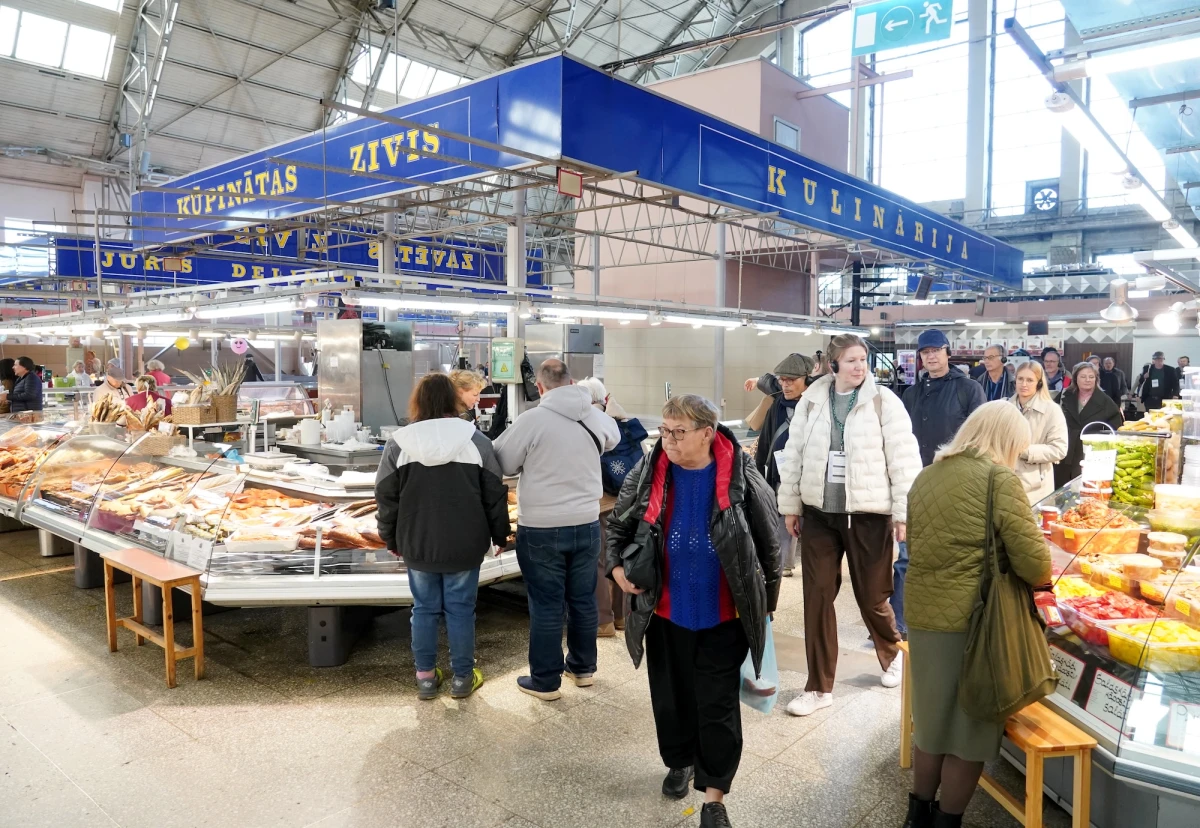
Due to the war between the USA and Israel with Iran, the Strait of Hormuz has been blocked for the second month — the route for delivering 20% of oil, gas, and fertilizers from the Persian Gulf to the global market. If the war in Iran drags on for a couple more months, a new crisis could be quite large-scale, warned the UN and the World Bank.
"If the conflict does not subside by mid-year, another 45 million people could be on the brink of starvation, bringing the total to a record high of 363 million people," predicts the World Food Programme of the United Nations.
Why Food is at Risk
In the desert countries of the Persian Gulf, grains and fruits are not grown; however, the oil monarchies are key players in the global food market, supplying one-fifth of all nitrogen fertilizers, as well as natural gas, from which urea and ammonia are produced in other countries.
According to the UN, due to the war, prices for nitrogen fertilizers surged by 40–60% by mid-April, as the blockade of the Strait of Hormuz deprived the global market of 1.5 to 3 million tons of monthly maritime fertilizer trade, which before the war amounted to 7–8 million tons per month.
There are other reasons for the impending food shortage in the world.
Supply disruptions are forcing other major producers — such as China — to impose export restrictions on both fuel and fertilizers, further increasing shortages and prices in the global market.
And when gasoline and diesel prices rise, they are replaced by biofuels made from corn, rapeseed, soybeans, and sugarcane. The shortage of these raw materials, in turn, will lead to rising prices for food products made from them (chips, ice cream, and lemonade, among others), as well as for meat and poultry, since feed prices will increase.
For Now, Everything is Relatively Fine
In the first month of the war, food prices in the world changed little, according to data from the Food and Agriculture Organization (FAO) of the UN.
This is because ships carrying fuel and fertilizers take from one and a half to two months to reach buyers from the Persian Gulf. The shortage will fully manifest itself in mid to late May.
The lack of fertilizers, if it affects the harvest, will only do so next year.
Moreover, last season's harvest turned out to be excellent. Before the war, there was an abundance of food in the market, and the granaries are still full.
"There is no supply shortage, stocks are good, so both the agro-industrial complex and the global food supply system are resilient to current shocks," said Maximo Torero from the UN food organization.
Price increases are also restrained by the fact that due to the war in Iran, the global economy is slowing down, which in turn slows down demand for food, notes the World Bank.
When Will Prices Rise
All these buffers are temporary, warn economists from the UN food organization.
"The safety margin may turn out to be short-term. In the coming weeks, farmers will be planning their planting. Against the backdrop of rising costs and fertilizer shortages, they may be forced to reduce their use or plant other crops, which will ultimately lead to lower yields in the next season," the UN writes.
Moreover, the war in Iran continues, and the Strait of Hormuz is now blocked not only by Iran but also by the USA.
"The risks for shipowners and insurance companies are now unacceptable," notes David Laborde, one of the directors of the FAO.
"Even if tensions decrease, it may take days or weeks to restore normal shipping. This delay is critical," he said.
Trouble Does Not Come Alone
The war is not the only reason for a possible rise in food prices in the world in the very near future.
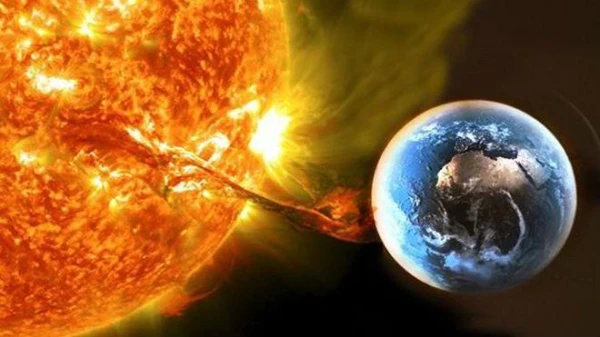
FAO economists believe that the situation may be complicated by the El Niño phenomenon, which raises temperatures on the planet due to temporary changes in warm currents in the Pacific Ocean. Scientists predict that this year El Niño will be particularly strong, although it will become clearer only in a month or two.
"If El Niño turns out to be strong, there may be disruptions in the production of food products such as coffee, rice, sugar, and vegetable oils. Their production is concentrated in regions where El Niño often causes droughts," warns the World Bank.
Overall, it is extreme weather conditions, rather than wars, that more often lead to disruptions in food supply and rising food prices. Climate change on the planet exacerbates droughts, floods, fires, and hurricanes.
In 2022, while Europe struggled with the crisis due to the Russian invasion of Ukraine, a drought occurred across the ocean in the USA. European food prices have since stabilized, while in the USA, beef prices continue to rise at a record pace, adding headaches for Donald Trump's administration.
Heat and drought in Spain from 2022 to 2024 led to a spike in olive oil prices, while drought in Asia during the previous El Niño of 2023–2024 raised rice prices by 30% — a staple food for billions of people in the region.
In 2024, coffee prices rose by almost 40% due to drought in Brazil and Vietnam. At the same time, cocoa bean prices tripled and chocolate became more expensive due to rains and droughts in Ghana and Côte d'Ivoire.
And if prices do rise due to the war in Iran, even if it ends quickly, they will not decrease anytime soon.
"As the crisis of 2022 showed, food prices soared immediately and fell slowly," the UN reminded, quoting the BBC.











Leave a comment