Buckwheat tea confidently occupies a place among the most sought-after superfoods of the 21st century. Legends abound about its health benefits, and even devoted coffee lovers are starting to incorporate this drink into their diets. What makes buckwheat tea so popular, how should it be consumed, and are there any contraindications to its use?
What Buckwheat Tea Is
Buckwheat tea is not tea in the traditional sense: it is made from seeds rather than leaves. However, the brewing process is similar to that of traditional tea. Simply brewing buckwheat grains is not enough to make buckwheat tea. The production uses Tartary buckwheat, which, despite its name, is mainly cultivated in China. These seeds are smaller in size but contain more beneficial substances than regular buckwheat. The recipe for buckwheat tea originated in China, where it began to be brewed as early as the 12th century; there it is called Ku Qiao. In 2006, buckwheat tea was recognized as the most unique tourist product of China's Sichuan province. The drink is also popular in South Korea, Japan, and other Asian countries.
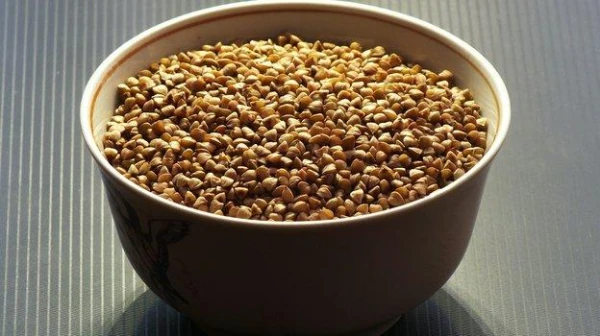
There are two types of buckwheat tea: dark and light. The dark seeds of Tartary buckwheat are roasted, and this tea resembles regular buckwheat in appearance. The darker the seeds, the richer the flavor will be. Light Ku Qiao consists of unroasted grains that are supposed to be prepared before brewing. Granules of buckwheat tea have also appeared on the market, which, although they may contain slightly fewer beneficial substances, are much easier to brew.
In terms of taste, buckwheat tea does not resemble either traditional tea or buckwheat. It has a unique flavor with bread, caramel, and creamy notes. At the same time, the bitterness characteristic of some varieties of regular tea is absent in Ku Qiao.
Benefits of Buckwheat Tea
Buckwheat tea is rich in vitamins A, B, E, PP, as well as minerals such as potassium, calcium, copper, iron, aluminum, phosphorus, zinc, sodium, and chromium. However, the real treasure is rutin (vitamin P), which is found in Tartary buckwheat in 100 times greater amounts than in regular buckwheat. Buckwheat tea also contains lysine — an essential amino acid that is not produced by the body. It helps normalize hormonal balance and gain muscle mass, which is especially beneficial for athletes. This antioxidant aids in detoxifying the body and improves the functioning of the digestive system. It also reduces swelling and promotes weight loss: it contains virtually no calories, and its consumption after meals creates a feeling of fullness. Ku Qiao is beneficial for the heart and blood vessels and strengthens the immune system, making it indispensable during cold seasons. Buckwheat tea can be consumed before bedtime, as it is caffeine-free, eliminating any stimulating effect. Ku Qiao does not affect blood pressure or pulse.
Who Should Avoid Drinking Buckwheat Tea
There are no strict contraindications: buckwheat tea can be consumed even by children and pregnant women. Since buckwheat is not a grain, Ku Qiao is gluten-free. This does not exclude the possibility of allergic reactions and individual intolerance, but it significantly reduces the likelihood of their occurrence. Buckwheat tea may increase blood clotting, so it is not recommended for people with already increased clotting. It is also advisable to refrain from consuming buckwheat tea during exacerbations of gastrointestinal diseases.
Nutritionists recommend drinking buckwheat tea in courses not exceeding one month, with breaks of 2–4 weeks. It is better to start with small doses to exclude allergic reactions.
How to Choose Buckwheat Tea
When choosing buckwheat tea, pay attention to the size of the grains: the smaller they are, the younger the buckwheat, and thus, the more beneficial properties it has. It is also worth assessing the color of the tea: the lighter it is, the less it has been roasted, which may complicate brewing. Another indicator of quality is the smell: good Ku Qiao should have a scent of cookies and caramel, rather than resembling regular buckwheat.
How to Brew Buckwheat Tea
You can use the same containers for brewing buckwheat tea as you would for regular tea: from a standard mug to a French press. Before brewing, it is recommended to rinse Ku Qiao: pour boiling water over the buckwheat tea and drain the water. This procedure not only cleans the seeds but also reveals their best flavor qualities. This method is not suitable for granules, which should be brewed immediately.
For a 250 ml mug, 1–2 tsp of buckwheat tea is sufficient. The optimal water temperature is 90–95 °C, which helps preserve all beneficial substances. Ku Qiao is brewed for 2–5 minutes. The brewing time can be increased if desired to make the aroma more intense. If the taste of the drink turns out to be too strong, it can be diluted with water. Ku Qiao pairs well with honey and lemon, and it can also be consumed with cream or milk. Buckwheat tea can be brewed with cold water as well, but in this case, it needs to steep, for example, overnight. Ku Qiao can be enjoyed both hot and cold. Do not throw away the used tea leaves: they can be used up to three times. The cooked buckwheat seeds can be eaten, as they are rich in vitamins and beneficial substances.