Oksana Drapkina, a specialist in therapy and general medicine, shared recommendations for maintaining a healthy weight.
Obesity is a serious risk factor for many non-communicable diseases. The most reliable indicator of weight control is the body mass index (BMI). To calculate it, you need to divide body weight in kilograms by height in meters squared. A BMI of 20 to 25 kg/m² is considered normal, 25 to 29 kg/m² indicates overweight, and over 30 kg/m² indicates obesity.
What diseases are associated with obesity?
Every additional 5% of normal weight increases the risk of hypertension (high blood pressure) by 20-30%. A weight gain of 10 kg is associated with a 12% increase in the likelihood of developing coronary heart disease. Each extra kg/m² of BMI raises the risk of ischemic and hemorrhagic stroke by 4% and 6%, respectively. The prevalence of type 2 diabetes among obese individuals is 3-7 times higher than among those with normal weight, and 20 times higher among individuals with a BMI over 35 kg/m².
Obesity increases the risk of endometrial cancer by 2-4 times, esophageal adenocarcinoma by 2.4-2.7 times, stomach, liver, and kidney cancer by 2 times, pancreatic cancer by 1.5 times, and colorectal cancer by 1.3 times.
In women with obesity, the risk of knee osteoarthritis is almost 4 times higher than in women with a normal BMI, while in men, this risk increases by almost 5 times.
How to Eat Properly to Avoid Weight Gain?
To lose weight, the caloric intake should be 500-1000 kcal lower than the daily energy expenditure of the body. The minimum daily caloric intake is 1200 kcal for women and 1500 kcal for men.
To prevent obesity, follow these recommendations:
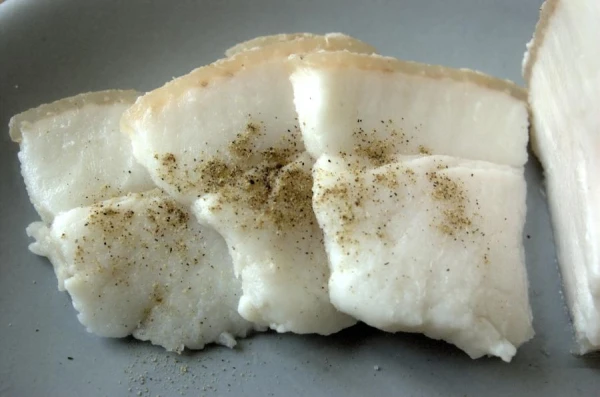
Reduce the intake of foods with simple carbohydrates and animal fats.
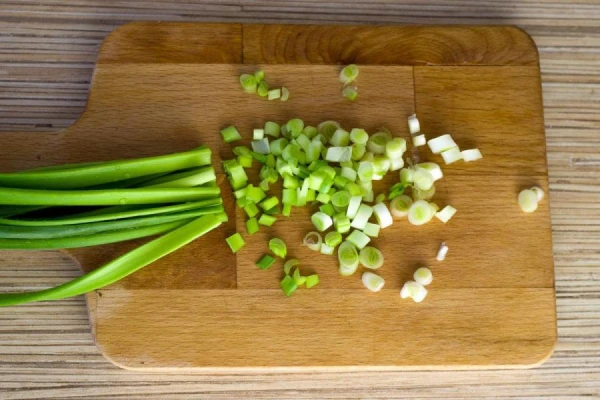
Increase the proportion of vegetables and fruits in your diet. The fiber they contain is low in calories but creates a feeling of fullness for a long time.
The recommended protein intake for an adult with moderate physical activity is 0.75 g per 1 kg of body weight.
Try to eat 5-6 times a day.
The daily salt intake should not exceed 5 g.
Avoid spices, seasonings, smoked foods, pickles, and spicy dishes that can increase appetite.
Drink 1.5-2 liters of water a day.
Cook dishes by steaming, baking, or boiling.
Stick to a meal schedule and avoid snacking.
Increase physical activity. The World Health Organization recommends at least 150 minutes of moderate physical activity per week.