Soon, the period will come when the level of nutrients in many vegetables and fruits reaches a minimum. Should such products be consumed? How to eat properly during this time to maintain health?
According to modern scientific data, it is necessary to consume at least 500 g of vegetables and fruits daily. How can we ensure that only healthy products are included in this norm? Which ones can be excluded, and which must be included in the diet? In conditions of a shortage of fresh vegetables and fruits, this is especially important for health.
How to Eat Half a Kilogram of Vegetables and Fruits Daily
Let’s start with the norm of 0.5 kg. Many believe that it is impossible to eat such an amount of vegetables and fruits. This is a misconception. Of course, this dose seems fantastic for those who are used to sausages and cutlets with a side of potatoes, pasta, or porridge, and consume vegetables and fruits only in the form of canned goods.
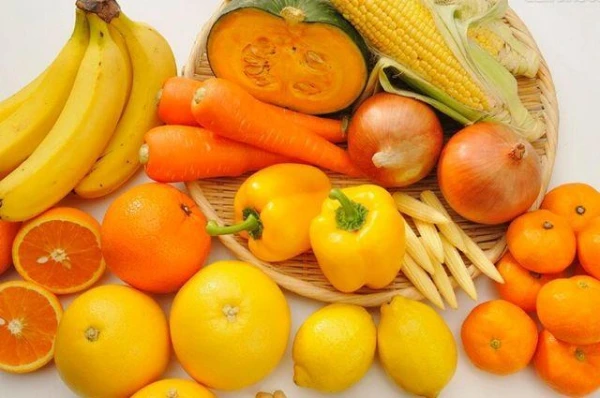
Imagine a set of fruits and vegetables that can be easily consumed: an apple, a banana, a tomato or an orange, a carrot, a cucumber. If the fruits are of average size, their weight is about 150 g, therefore, if you eat them throughout the day, excluding the inedible parts, you will already get 450 g. This is quite good. You can add vegetables that you use in various dishes. For example, cabbage in borscht, any salad, or vegetable side dishes. Thus, you will easily exceed the 500 g mark per day, and you may even significantly surpass it — this will only be beneficial.
Which Vegetables and Fruits Can Be Excluded
The problem lies in how to choose the best and most accessible products. Let’s try to do that. Vegetables and fruits can be divided into essential and secondary. The secondary ones can be excluded, as all the beneficial substances contained in them can be obtained from more accessible products.
Here is a list of those that are not essential to buy right now: cucumbers, zucchini, yellow and green peppers, grapes, pears, pomelo, lemons, limes, grapefruits, and other expensive citrus fruits, almost all exotic fruits, celery, and fennel.
It is important to emphasize that all these products are very useful. If possible, buy them for your health. However, in principle, the bioactive substances contained in them can also be obtained from more accessible products.
Which Products Are the Most Important
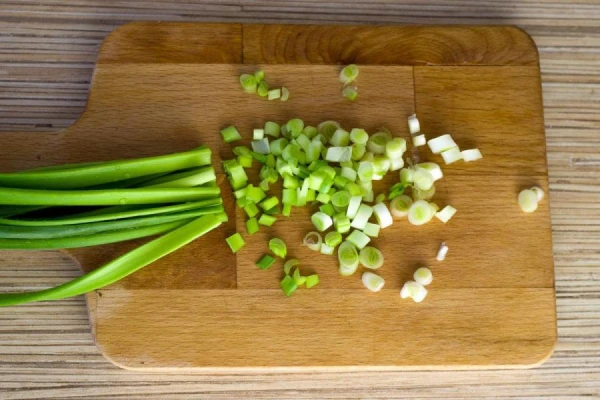
However, there are things you cannot exclude: apples, tomatoes, oranges or mandarins, greens, salads. Don’t forget to buy red bell peppers and eggplants at least occasionally. The mandatory list also includes carrots, beets, cabbage, and other inexpensive root vegetables: turnips (especially green) and radishes can replace radish and daikon, as well as expensive broccoli and cauliflower — they all belong to the cabbage family and have a similar set of bioactive substances. Moreover, they retain their beneficial properties well. Don’t forget about green and bulb onions (purple is healthier than white), garlic.
However, potatoes are not among the healthy products. Bananas are also questionable, as they contain a lot of not only beneficial potassium but also harmful sugars. Fortunately, apples and oranges can help replenish potassium deficiency.
Possible Alternatives to Fresh Vegetables and Fruits
Many fresh products can be replaced. Here is a list of such alternatives: vegetable (but not fruit) juices, frozen products, dried (especially greens), pickled and fermented vegetables. However, marinades (canned goods with vinegar), jams, jellies, compotes, or similar sugar-laden stocks are not suitable for replacement. Nevertheless, some canned goods can be useful and can adequately replace fresh products. These include: tomatoes in their own juice, lecho, green peas, beans.