How to preserve vitamins while preparing food? Let's consider what should and should not be done with products at all stages: from storage to cooking.
Food Storage
You have purchased food, and now it is important to store it properly so that it does not lose its beneficial properties before cooking. Various factors affect each product: exposure to light and air, temperature, and the surfaces they come into contact with. In general, vitamins are quite unstable compounds.
Fruits and Vegetables
Vitamin B is quickly destroyed by light, air, and at room temperature. Many fresh leafy vegetables lose a significant amount of vitamin C if not stored in the refrigerator. Therefore, fruits, vegetables, and greens are best stored in dark and cool places. Special shelves in the refrigerator are ideal for this. However, remember that even when stored in the refrigerator, after three days, products lose about 30% of vitamin C, and at room temperature — up to 50%. Therefore, it is better to consume them fresh.
Oil
Vitamins A and E also quickly oxidize and lose their beneficial properties in light and open air. Therefore, butter should be stored in the refrigerator in a tightly closed package, avoiding freezing and thawing again.
Vegetable oil is better kept in a dark and cool place, and the lid should be tightly screwed on.
Meat and Fish
If you have purchased frozen meat or fish, they must be stored in such a way that they do not thaw until cooking. Products should be thawed slowly to preserve vitamins and beneficial properties. When refreezing, the vitamins contained in meat and fish are destroyed.
Fresh meat and fish are best stored separately, preferably in different compartments. If this is not possible, they should be cooked as soon as possible or frozen.
Food Preparation
The vitamins contained in vegetables and fruits are water-soluble. They are subject to destruction not only at high temperatures but also during improper preparation for cooking.
Vitamins are mainly located in a thin layer of pulp just beneath the skin of vegetables and fruits. Therefore, if you peel them, try to cut as thinly as possible. Ideally, it is better to leave the skin on altogether.
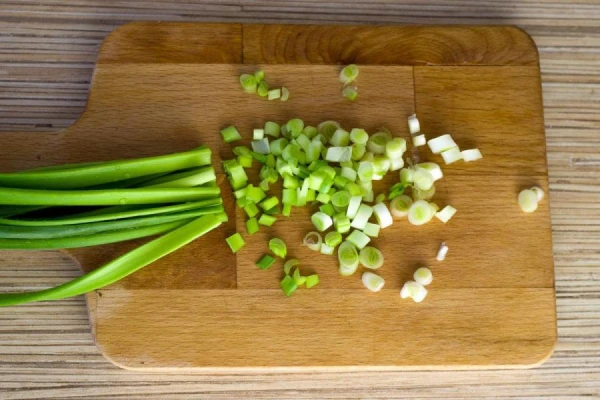
It is recommended to cut and peel products just before cooking. When stored in a peeled or cut form, they lose a significant amount of vitamins.
Vegetables, fruits, and meat should not be soaked. These products should be rinsed under running water. On the other hand, legumes should be soaked in advance; otherwise, they will take too long to cook and lose some of their beneficial properties.
To prevent light and heat from destroying the vitamins, salads are best prepared and dressed just before serving. The fresher, the better.
How to Cook to Preserve Vitamins
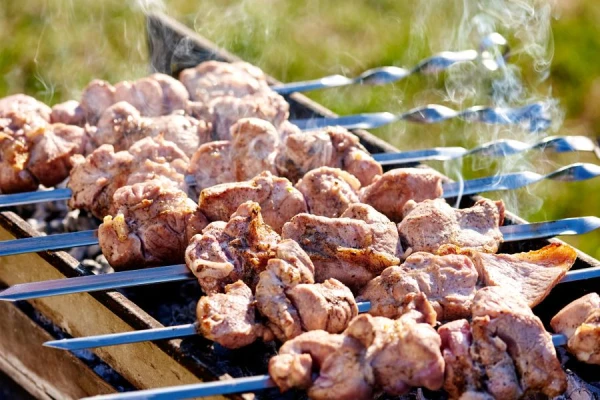
It should be noted that among all cooking methods, frying is the most detrimental to vitamins. High temperatures, hot metal, and hot oil “destroy” vitamins almost completely.
The optimal methods for processing food are steaming and baking in the oven. Let’s consider this point in more detail.
Main Criteria for Boiling
First of all, many products should not be boiled for too long. The optimal time is 20–30 minutes. Therefore, when preparing soup, the meat is boiled first, and then the vegetables are added.
Vegetables should be placed immediately into boiling water, which neutralizes the enzyme that breaks down vitamin C, thereby preserving the beneficial properties of the product.
It is advisable to minimize the contact of boiling water with oxygen. Keep the pot lid tightly closed and ensure that the vegetables are fully submerged in water.
It is important to consider not only the boiling time but also the strength of the flame. Prefer medium or low heat to avoid liquid evaporation.
Additionally, vinegar, citric acid, sugar, and salt can be added to the water. This will help prevent the fermentation of beneficial substances. Many vitamins and minerals transfer to the water during boiling, so if possible, it is better not to drain it. It can be used for making sauces, broths, or other dishes.
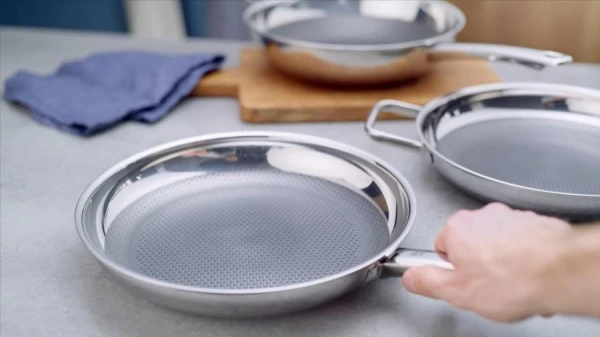
The right cookware also plays an important role. Enamel or stainless steel pots are suitable for boiling. In aluminum pots, vitamins are destroyed due to contact with oxidizing metals.
Frying in oil not only destroys vitamins in vegetables and in overheated oil but also adds unnecessary fat. Therefore, frying in butter or unrefined oil is, to put it mildly, not very beneficial.
The most vitamins in fish and meat are preserved when quickly sautéed. To reduce cooking time, cut them into thin slices.