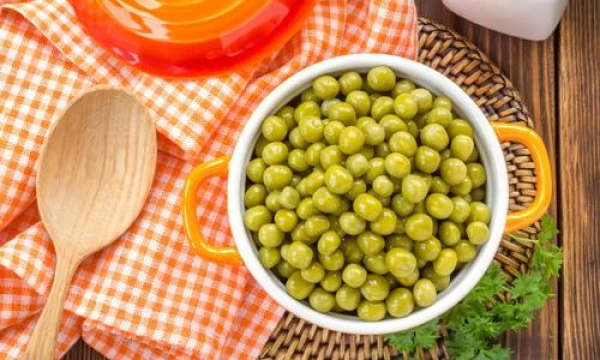
Green peas are renowned for their delicate taste and health benefits. They can be used as a standalone dish, side dish, or added to salads, soups, and main courses. Since fresh products spoil quickly, canned peas are very popular.
Let's explore the advantages of canned peas, learn how to choose a quality product, and whether it can be prepared at home.
History of Appearance
Canned peas evoke nostalgic memories of childhood for many: New Year, Olivier salad. However, its history began much earlier than the Soviet era. The first attempts at canning peas were made by the Dutch in the 18th century. In the 19th century, canning factories began to open across Europe. Initially, the product was not very popular, as people preferred fresh or dried fruits. They were used in various dishes: mashed, grated, added to noodle dough, and used to make kissels.
Composition and Health Benefits of Canned Peas
Peas are considered a dietary product, as they contain only 55 kcal per 100 g. Their composition is balanced and includes beneficial substances that help normalize the body's functions.
Niacin
expands blood vessels;
normalizes heart function;
lowers cholesterol levels in the blood;
relieves headaches and eliminates dizziness.
Thiamine (B1)
stimulates mental activity;
regulates the nervous system.
Riboflavin (B2)
ensures the normal functioning of the thyroid gland;
improves the condition of skin, hair, and nails.
Ascorbic Acid (C)
strengthens the immune system;
removes toxins;
reduces the intensity of inflammatory processes.
Citric and Oxalic Acids
reduce swelling;
positively affect kidney function.
Iron
replenishes hemoglobin deficiency;
removes heavy metals from the body.
Fiber
cleanses the intestines;
promotes the formation of beneficial microflora.
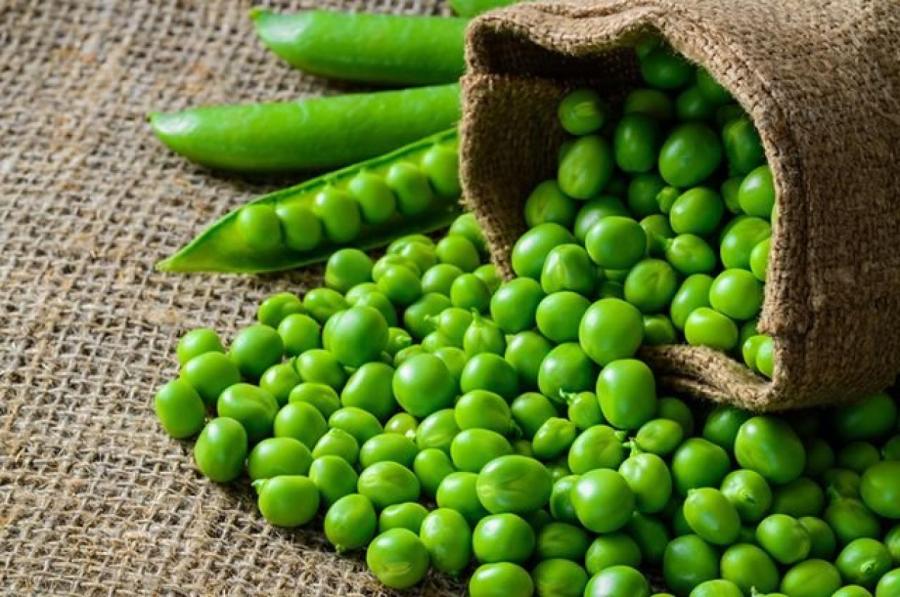
Although the highest amount of vitamins and minerals is found in fresh peas, the canned product also retains many beneficial properties due to gentle processing. During the canning process, green peas retain up to 66-90% of B vitamins, making them as beneficial as fresh ones. Canned peas are made from peas at the milk stage, when they contain the maximum amount of vitamins.
The harvesting season for this plant is spring and summer. Quality canned peas are made from fresh peas, while dried raw materials are used at other times of the year. Therefore, when choosing a product, it is important to pay attention to the production date, preferably ensuring that the peas were harvested from May to August.
Possible Harm
Unpleasant consequences from consuming canned peas are often related to violations of the technology of their production and storage. Fresh products may rarely be harmful, except for individual characteristics of the body, such as allergies or a tendency to flatulence. Also, peas should be consumed with caution in cases of:
intestinal diseases;
gout;
ulcers or gastritis in the acute stage;
thrombophlebitis;
recovery period after a stroke or heart attack.
What to Choose: Homemade or Store-Bought
Tender, sweet, and nutritious peas can be purchased in stores if you carefully study the information on the packaging and choose the right production date. However, if desired, you can also prepare delicious peas at home.
Homemade Peas Recipe
1 kg of fresh pods;
0.5 l of water;
1 tsp of salt;
1 tsp of sugar;
1 tsp of vinegar.
Peel the peas from the pods and cover them with a small amount of water. Bring to a boil and cook for 10 minutes, then drain the boiling water.
For the marinade, mix salt and sugar with water and bring to a boil. Turn off the heat and add vinegar.
Place the peas in a sterilized jar and pour hot marinade over them. Seal the jars, turn them upside down, and cover with a warm blanket.
After cooling, the product can be stored all winter in a cool place.
Source: dietology.pro