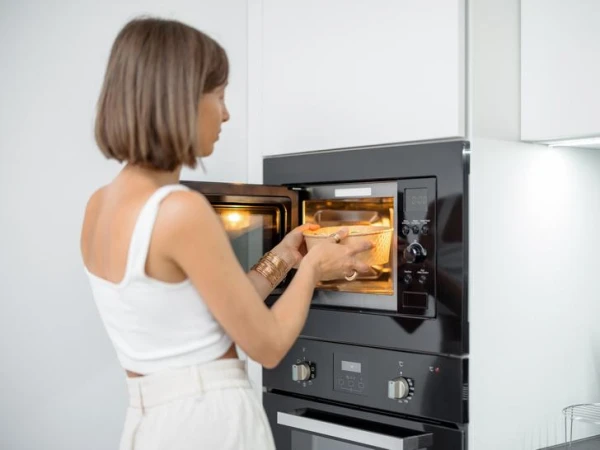
The microwave has become an integral part of most kitchens. It facilitates reheating and cooking food, as well as defrosting products. However, there are important safety rules, the violation of which can lead to dangerous consequences.
Not all foods are suitable for cooking or reheating in the microwave, just as not all dishes are safe for use in this device. Ignoring these recommendations can lead to fires or explosions. For example, it is strictly forbidden to use metal dishes, as well as disposable cups and yogurt containers — they can melt. Foil is also unsuitable: it will ignite instantly.
However, this is only part of the restrictions. There are also foods that should not be reheated or cooked in the microwave. Pathophysiologist Elena Paretskaya elaborated on this in an interview for “Doctor Peter” here.
Foods That Can Be Heated in the Microwave
Using the microwave, you can both cook and reheat many foods, but not all. For example, it is excellent for quickly defrosting or boiling vegetables such as carrots, potatoes, and beets. However, before cooking or defrosting whole fruits, it is essential to poke holes in them with a fork or toothpick; otherwise, they may burst or explode, dirtying the microwave.
Cooking times vary depending on the product. For instance, potatoes take about 7–10 minutes to cook, and if they are not yet done, they should be turned over, adding one minute at a time and monitoring the process.
Features of Cooking in the Microwave
You can cook various semi-finished products in the microwave, such as pizza, nuggets, and burgers. You can also make popcorn or refresh yesterday's bread and slightly stale pastries. It is important to ensure that the products are not past their expiration date, moldy, or showing other signs of spoilage.
Eggs can be cooked in the microwave, but they must be without shells. This is necessary because, during cooking, water vapor condenses inside the egg, which has no outlet, potentially leading to an explosion.
Foods That Should Not Be Heated in the Microwave
So, it is forbidden to cook whole eggs in their shells in the microwave, and we have already explained why this is dangerous.
Additionally, grapes should not be reheated, defrosted, or cooked in the microwave: they can ignite quickly and form plasma clumps. This is an ionized and very hot gas made up of differently charged particles, which can damage the appliance and cause injuries.
It is also prohibited to reheat hot peppers in any form, including dried, ground, or fresh. This is because the capsaicin found in peppers evaporates when heated, and if you take out the very hot pepper from the microwave, it may cause severe burning in the eyes and skin burns.
Dairy Products
The live lacto- and bifidobacteria present in dairy products die quickly when heated in the microwave. Furthermore, kefir, yogurt, milk, or fermented baked milk can “curdle” and lose their flavor qualities. To preserve their beneficial properties, it is enough to take dairy products out of the refrigerator half an hour before consumption.
Baby Food — Not Recommended
It is also not recommended to reheat baby food in the microwave. This is because the heating may be uneven, especially without stirring, which can lead to burns in the mouth and throat from overheated food areas. Additionally, plastic bottles may release health-hazardous compounds when heated.
Honey
Long storage of honey can lead to its crystallization, which is a normal process and indicates high product quality. However, if you decide to warm honey in the microwave, its beneficial properties will be lost. It is best to restore the liquid state of honey using a water bath or consume it in its natural form.
Unsuitable Dishes for the Microwave
Microwave manufacturers have learned to create devices that are safe for humans, but some kitchen utensils can cause problems. Before putting something back in the microwave to reheat, it is worth familiarizing yourself with what dishes should not be used.
Dishes with Shiny Edging
Plates and cups with gold plating can spark in the microwave, as metal elements reflect microwaves, which can lead to overheating of the magnetron. Sparks from the gold rim can cause a fire or explosion.
Plastic and Food Wrap
Plastic dishes release harmful toxins when heated, which can enter the food. If you leave food in the microwave for too long, there is a risk that the dish will melt.
Food wrap reacts to microwaves just like plastic — carcinogens from the polymers can enter the food, making it unsafe for health.
“Microwave-Safe Dishes”
You have probably encountered plastic dishes labeled “microwave-safe.” However, manufacturers are not required to test their products for safety, so it is better not to take risks and follow the recommendations regarding what should not be reheated in the microwave.
Cardboard Takeout Containers
If you love ordering takeout, remember that cardboard packaging may contain toxins and metals, so it is better to use parchment paper or simply transfer the food to a plate. Paper packaging coated with wax or plastic may melt, and food that ends up under the melted material will become inedible.
Wooden Dishes
Although wooden dishes are rarely used in the microwave, some may decide to experiment. However, manufacturers warn against this, as it can overheat and char.
Porcelain and Crystal
Porcelain items may contain lead, making them dangerous for use in the microwave. Crystal may also contain lead or silver, leading to rapid heating and the risk of explosion. If you value your crystal dishes, it is better not to reheat them in the microwave.
Metal Dishes
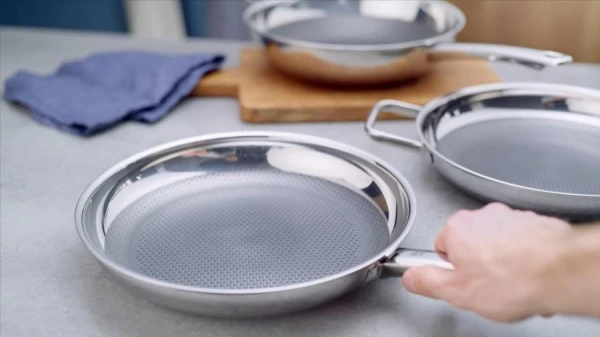
Metal reflects microwaves, which can lead to explosions. In the worst case, this can cause injuries and fires. Remember — food on aluminum and iron plates cannot be reheated in the microwave.
Empty Plate
If an empty dish is in the microwave, the magnetron, which creates the waves, absorbs them back, which can damage the device and cause a fire. Therefore, before pressing “Start,” make sure there is food inside — empty dishes should not be heated.
Suitable Options for Reheating in the Microwave:
The best choice is heat-resistant tempered glass with thick walls. This material does not absorb microwaves, so the dish does not heat up. Glass cups, salad bowls, and mugs with sturdy walls without cracks are also suitable. The transparent material allows you to monitor the readiness of the dish without opening the microwave.
Plastic that withstands temperatures up to 140 degrees. However, do not blindly trust labels; it is better to buy dishes from reputable manufacturers with a good reputation.
Ceramic dishes are also suitable, but they are sensitive to sharp temperature changes. After cooking, let the dish cool down a bit inside the microwave.
Now you know what cannot be reheated in the microwave and what can. We recommend carefully choosing dishes for microwaves and avoiding fake labels about microwave compatibility. Attention will help keep the equipment intact and avoid unpleasant consequences.