
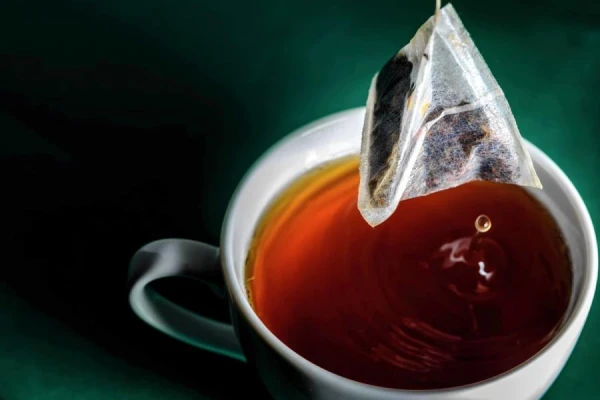
Packaged tea is a convenient choice. It brews quickly and is easy to use at work or while traveling. However, despite its practicality, such a beverage may not only lose its beneficial properties but also cause harm.
Arthur Bernatsky, an oncologist and gastroenterologist at the Petrov National Medical Research Center of Oncology, stated that tea contains more than 300 different substances, many of which affect our health, reports Doctorpiter.
For example, did you know that tea has more caffeine than coffee? However, its effect on the body in these two popular beverages is different.
“In coffee, caffeine and coffee acid are in free form and are quickly absorbed by the gastrointestinal tract mucosa, entering the bloodstream and causing certain reactions. In tea, caffeine is bound to tannin and is called 'caffeine tannate', which does not linger in the body. Therefore, caffeine overdose from tea is impossible, unlike from three to four cups of coffee. Caffeine activates the adrenal glands, promotes the production of stress hormones, and ultimately depletes the nervous system. Therefore, one can drink a liter of tea and not face a hypertensive crisis or increased blood pressure. Of course, nausea may arise from such an amount, but that is another story,” explained Arthur Bernatsky.
Moreover, tea is rich in many beneficial substances. According to the doctor, among them are:
* amino acids, including glutamic acid, which restores the nervous system and provides vigor;
* trace elements such as magnesium, manganese, fluorine, and iodine. Green tea, in particular, contains a lot of fluorine and iodine, which together reduce the risk of atherosclerosis;
* organic acids, among which the most important is nicotinic acid (vitamin PP), used in neurology to improve peripheral blood circulation;
* vitamin K, which promotes increased blood clotting;
* pectin — a substance that positively affects the mucosa of the gastrointestinal tract and acts as a natural prebiotic for intestinal microflora.
Each type of tea (black, green, red, and yellow) has its unique advantages. For example, black and red teas, such as oolong, contain many essential oils that are natural antioxidants. According to the gastroenterologist, they lower lipid levels and reduce the aggressiveness of cholesterol in the blood.
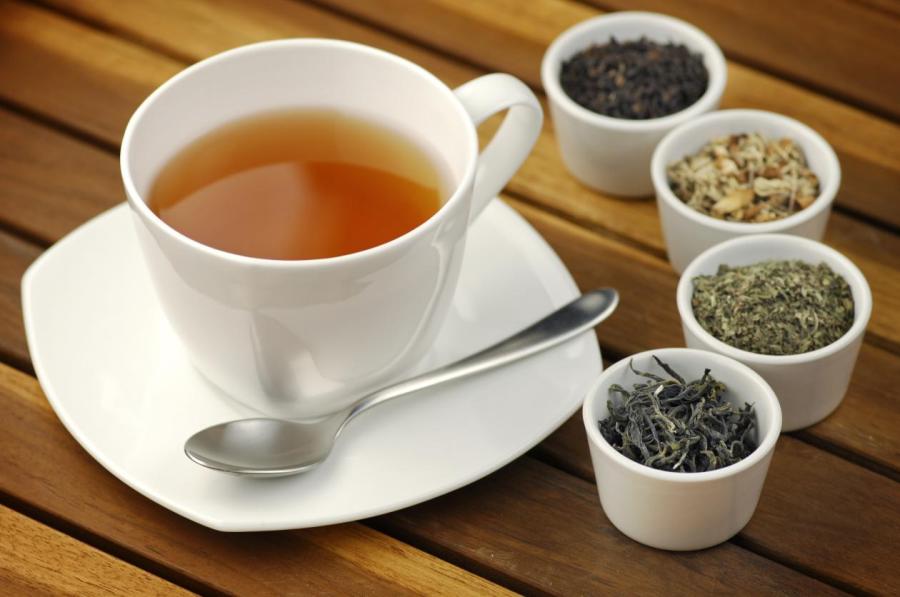
“In populations where tea is consumed in large quantities, there is a low incidence of cardiovascular diseases, heart attacks, and strokes. The beneficial properties of tea regarding the vascular wall, strengthening it and reducing the activity of atherosclerotic plaques, are indeed significant,” continues the specialist.
Green teas, in turn, are particularly rich in vitamin C: the amount of ascorbic acid in them is 24 times greater than in oranges.
“When I feel like I’m starting to get sick, I drink quality green tea, about 2-3 cups at a time. As a result, I feel healthy, as it has a powerful diaphoretic effect. But I should clarify that this is not packaged tea, but loose tea, in concentrated form — say, 2-3 teaspoons per 250 milliliters of boiling water. Such tea will provide a good, powerful effect,” explains the specialist.
Convenient but Useless
As for packaged tea, no matter how convenient it may be, the doctor believes it is better to refuse it.
“Packaged tea, or tea in filter bags, is essentially not tea leaves but crushed crumbs, tea powder. There are no beneficial substances to be found there. And if the filter bag does not have separate packaging, it means that such tea has absorbed all the production waste around it, like a sorbent. This is the lowest quality tea. Moreover, it usually contains many impurities, including chemicals, which cause rapid coloring even in cold water. This also applies to granulated teas,” explained the doctor.
Furthermore, oncologists are strongly advised not to consume packaged tea, as well as artificially flavored beverages. According to Arthur Bernatsky, such teas can negatively affect the immune and lymphatic systems.
It is also advisable not to get carried away with teas that have artificial flavorings. People prone to allergic reactions should completely avoid them.
“For those suffering from atopic dermatitis, psoriasis, bronchial asthma, or allergic rhinitis (hay fever), such tea is categorically contraindicated, as it negatively affects the immune system and increases allergenicity,” clarified the doctor.
Nevertheless, according to Arthur Bernatsky, adding natural flavorings — such as jasmine flowers or concentrated bergamot essential oil — does not diminish the beneficial properties of tea.












Leave a comment