
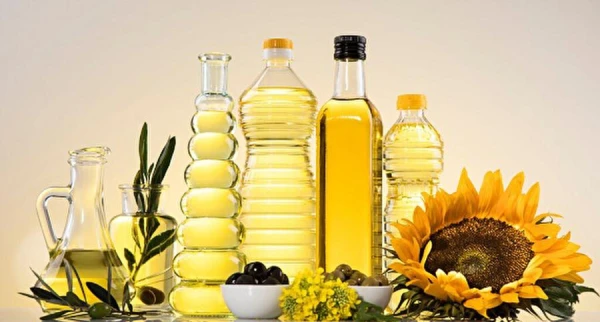
Experienced chefs use a variety of oils for cooking, but not all of them are healthy. Which one should be used less often and why, explained gastroenterologist Dilyara Lebedeva.
There is an opinion about the harm of butter, which contains a lot of fats that can raise cholesterol levels. This can lead to the "clogging" of blood vessels and atherosclerosis. However, as nutritionists and cardiologists claim, high-quality butter, consumed in moderation, can be quite beneficial. In some cases, it is the one to choose for frying.
Nevertheless, recently there have been increasing warnings about an oil that should be avoided, although many consider it to be healthy, writes Doctorpiter.
Leads to Inflammation and Thrombosis
“There are several harmful oils in the kitchen, but I would like to highlight one in particular,” said endocrinologist-gastroenterologist Dilyara Lebedeva in her blog. “This oil is used in large quantities in every household, as it is cheap, accessible, and available in every store. I am talking about vegetable sunflower oil.”
According to the doctor, its consumption causes inflammatory processes in the body.
“Joint pain worsens, skin condition deteriorates, blood pressure rises, clots form, and cholesterol plaques in blood vessels increase. All of this happens due to the high content of inflammatory omega-6,” specifies the specialist.
Sources of Omega-6
Gastroenterologist Victoria Zimina also emphasizes that in everyday life we often overconsume omega-6. There are many sources of it in our diet, including not only sunflower oil but also palm, soybean, canola, and corn oils. Additionally, omega-6 is found in poultry meat, eggs, sunflower and pumpkin seeds, avocados, grains and bread, as well as in cashews, pecans, and coconuts.
“The body's need for omega-6 is individual and ranges from 4.5 to 8 grams per day,” says Victoria Zimina. “Therefore, we all overconsume omega-6, and additional intake is not required. It is recommended to minimize the consumption of vegetable oils, as excess omega-6 supports chronic inflammatory processes and diseases,” adds the gastroenterologist.
Which Oils to Switch To
1. Coconut Oil
Contains beneficial plant saturated acids and does not form carcinogens when heated.
2. Refined Olive Oil
This is purified oil that does not oxidize and does not decompose even at temperatures of 220-250°.
3. Ghee
This is an animal fat that differs from butter in the absence of protein, lactose, and water. It consists of 100% fat and tastes no different from butter.
“For frying, it is better to use these types of oils, while the others should only be used for dressing cold dishes. Of course, it is better to limit fried foods altogether and prepare dishes using gentler methods,” concludes doctor Dilyara Lebedeva.









Leave a comment