
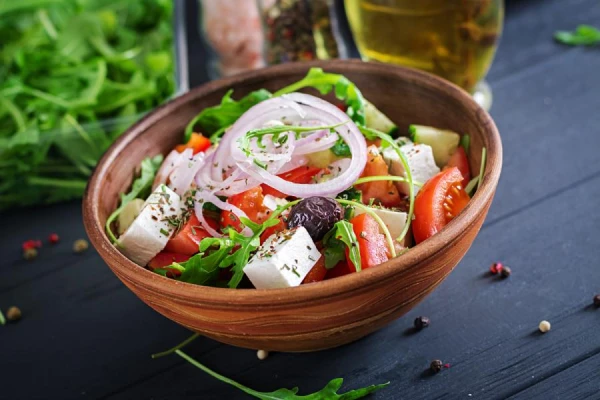
Feta and bryndza are not synonyms, but two different types of cheese. In this article, we will explore their differences and discuss in which dishes each of them reveals its flavor best.
The Production Process of Bryndza
Bryndza is a brined cheese that has its roots in Eastern Europe. It is usually made from cow's milk, although sheep's milk is sometimes used. The milk undergoes pasteurization, fermentation, pressing, and is placed in brine. This process can last from 20 to 60 days, and the longer the cheese is aged, the saltier it becomes.
On store shelves, you can find bryndza produced in Serbia, Turkey, Moldova, and Bulgaria. The differences between them are minor. Bulgarian bryndza is aged longer, making it saltier and crumbly. Moldovan bryndza is less fatty, while Serbian bryndza has a dense texture and minimal salt content. Turkish bryndza, on the other hand, contains sheep's milk, giving it a mild flavor.
Sometimes, spicy herbs, olives, or paprika are added to bryndza, but the classic version consists only of milk, salt, and rennet.
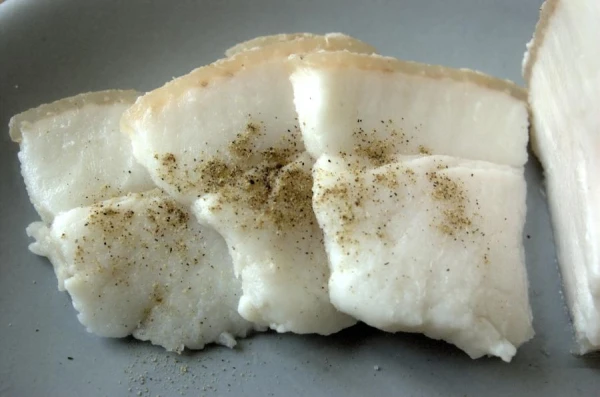
A piece of quality bryndza should be firm, elastic, with a smooth cut and a slightly grainy texture. It is sold in brine, and its taste is distinctly salty, with sharp and sour-milk notes.
It is recommended to purchase a whole piece rather than pre-cut cubes to better assess the quality of the product. The surface should not have dry crusts or yellow spots. It should be tender, white or creamy, without voids.
Bryndza should be consumed within three days after opening the package. Store it in the refrigerator in an airtight container and in brine.
The Benefits of Bryndza
Bryndza can be considered a dietary cheese: 100 g of the product contains 22 g of protein and about 20 g of fat. Due to fermentation, it is rich in beneficial bacteria, which positively affects digestion. Additionally, bryndza is a good source of calcium, necessary for bone and dental health.
Due to its high salt content, bryndza is not recommended for consumption in cases of hypertension, stomach diseases, and kidney problems. However, if desired, it can be made less salty by soaking a piece in clean cold water for 10–15 minutes. The excess salt will be removed, while the milk flavor will remain.
Culinary Ideas with Bryndza
Traditionally, bryndza is served with vegetables. Simply cut it into cubes, add large slices of fresh tomatoes, and drizzle with quality olive oil. You can also experiment with the famous Shopska salad, where this cheese is paired with fresh vegetables, olives, and herbs.
Bryndza is excellent as a filling for pies and quiches. It is convenient for stuffing peppers or zucchini. It can also be added to scrambled eggs or placed on toasted bread, sprinkled with herbs.
Moreover, bryndza refreshes the flavor of meat pâté or cutlets, adding tenderness and sharpness to the texture.
The Production Process of Feta
Feta is a traditional soft cheese from Greece, which has had PDO protected status since 2002. According to European legislation, this product can only be produced in Greece, although in practice it is made in other countries, from Egypt to Denmark.
True Greek feta is made either from sheep's milk or a mixture of 70% sheep's milk and 30% goat's milk. It is important that the sheep and goats graze freely and feed on wild aromatic herbs.
Outside of Greece, producers often use pasteurized cow's milk to make feta.
After fermentation, the milk is transformed into a curd block, which is either placed in brine or sprinkled with coarse sea salt and sent to birch barrels. The latter method is considered the most authentic. The aging process lasts from three to six months.
Ready feta is soft, moderately salty, with a delicate creamy texture and small cracks on the surface. True feta has a fresh milk-herb aroma and is almost devoid of the sharpness characteristic of bryndza.
The Benefits of Feta
Feta is an excellent source of complete protein and calcium. It is slightly fattier compared to bryndza, but their salt content is approximately the same.
Like bryndza, feta should be consumed with caution in cases of high blood pressure, atherosclerosis, kidney, and stomach problems. To reduce sodium content, it can also be soaked in water.
Quality feta contains B vitamins, which strengthen the nervous system, as well as the amino acid tryptophan, necessary for the production of serotonin — the happiness hormone. Thus, this cheese can help in the fight against stress.
Feta is considered an effective probiotic, especially useful during recovery from intestinal infections and poisoning, as well as during antibiotic treatment.
Culinary Ideas with Feta
Fresh vegetables, olives, sweet onions, and a piece of feta — this combination is time-tested. However, Greek salad is not the only way to use this cheese.
Feta slices seasoned with thyme make an excellent addition to a glass of wine. If you coat pieces of cheese in flour and quickly fry them in a hot pan or on a grill, you will get an original hot appetizer.
Due to its delicate texture, feta is perfect for sauces and spreads. Blend it in a blender with yogurt and mint — and you will get a light cream for dipping vegetable sticks or fresh flatbreads.
Common Features of Bryndza and Feta
Both cheeses perfectly enhance the flavor of fresh vegetables in salads, add zest to pies, and are suitable for making bruschetta and sandwiches. They can be served with roasted vegetables — zucchini, eggplants, beets, or pumpkin.
Bryndza and feta can be confidently combined in grain dishes, giving them a Mediterranean accent. They harmonize particularly well with bulgur or couscous. Just crumble the cheese directly into a plate with a hot side dish and add finely chopped fresh herbs.
To surprise your guests, add either of these cheeses to classic savory muffin batter. You will get tender muffins with an unusual salty flavor.










Leave a comment