
Winter holidays are a time of joy, family gatherings, and a variety of dishes on the table. However, for elderly people, traditional dishes like mayonnaise salads, sausages, and pickles can pose a real challenge for the digestive and cardiovascular systems.
How to enjoy the holiday without harming health and well-being was explained by nutritionist Natalia CHAIEVSKAYA.
Less Fatty
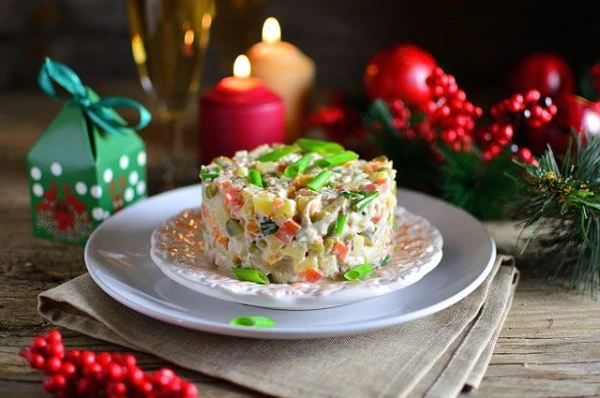
Traditional New Year's salads (Olivier, herring under a fur coat) can contain up to 700 kcal per 100 grams due to the mayonnaise in the recipe, potatoes, and sausage. Fatty meats (pork, duck) and mayonnaise can place extra strain on the digestive system, while sausages can worsen the course of arterial hypertension due to their high salt content and negatively affect health overall due to high levels of preservatives.
However, it is not necessary to completely abandon these dishes: first of all, it is important to remember moderation and not to overindulge in portions. 100-150 grams of Olivier or 100 grams of meat or sausage during the holiday will not worsen health. For dressing salads, you can use low-fat sour cream, natural Greek yogurt, or a mixture of olive oil and lemon juice with mustard. This will not only help reduce calorie content but also preserve the taste of the dish.
Instead of fatty meat, choose chicken or turkey in its own juice with spices, and instead of sausages, opt for homemade poultry ham.
Herring is a healthy product: the omega-3 it contains supports heart function and reduces inflammation in the body, while vitamin D is important for strengthening bones, especially in old age. Salted herring contains quite a bit of salt, which can raise blood pressure, so it is optimal to eat 1-2 pieces of fillet during the holiday with baked vegetables or greens.
The optimal portion is no more than 50-100 grams (2-3 medium cucumbers), and it is better to alternate with fresh vegetables and greens. It is best to choose sauerkraut without flavors, with a clean composition - this will positively affect both intestinal function and weight.
To Drink or Not to Drink?
When it comes to alcohol, it is important to remember that there is no safe dose of alcohol. If the festive table cannot do without alcohol, it is important that the alcohol has a low sugar content. According to WHO data, women are allowed to consume 100-150 ml of wine (1 glass), while men can have 200-300 ml (2 glasses). It is important to remember to stay hydrated, alternating a glass of wine with a glass of water. Ideally, celebrate the holiday with non-alcoholic beverages, such as fruit drinks or tea. People with cardiovascular diseases, digestive system disorders, or diabetes should refrain from alcohol.
And Dessert?
Classic industrial desserts contain quick carbohydrates and a high amount of fats. Such products raise blood glucose levels and also burden the digestive system.
It is better to choose healthy alternatives - these can be fruits, baked apples, jelly, marshmallows, or sugar-free pastila, as well as dark chocolate and various sorbets made from frozen berries.
Example of a Budget Menu for the Festive Table
Snacks:
Light Olivier: potatoes, carrots, canned peas, boiled chicken, dressing - homemade mayonnaise or yogurt.
Herring under a Fur Coat: lightly salted herring, beets, carrots, dressing - yogurt.
Vegetable Platter: cucumber, tomato, sauerkraut.
Main Course:
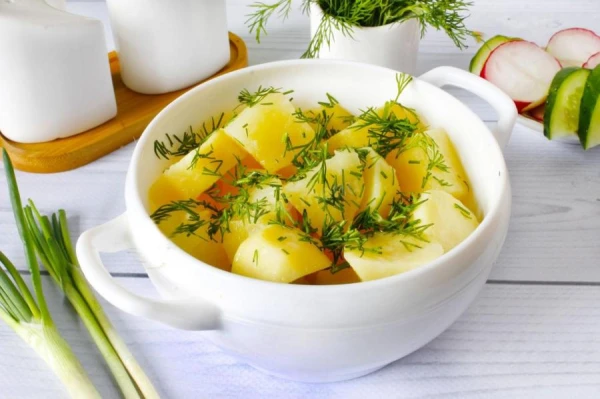
Potatoes baked with herbs, baked breast with garlic or steamed fish (cod/pollock).
Dessert:
Baked apples with honey.
Drinks:
Herbal tea, water with lemon, 1 glass of wine.








Leave a comment