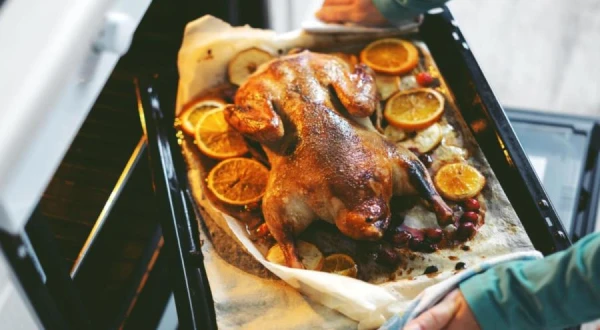
Ducks and geese do not often appear on our table; they are usually prepared on festive days: roasted goose with sauerkraut or crispy duck with apples. This delicious and aromatic dark meat pairs wonderfully with sour berries and fruits. Moreover, duck and goose on the table are not only tasty but also beautiful. But how healthy is it?
Rustem Sadikov, a candidate of medical sciences, dietitian, gastroenterologist, and clinical pharmacologist, spoke about whether roasted poultry can be consumed during the New Year and in everyday life, who it may harm, and what to pair it with:
— The meat of geese and ducks is a source of valuable nutrients such as protein, iron, zinc, and B vitamins. However, it is important to remember that the skin of the bird can contain a significant amount of saturated fats. This may be undesirable for people with bile production issues and inflammatory diseases of the gastrointestinal tract, including the pancreas and liver. Therefore, moderate consumption is recommended, with a preference for leaner parts of the bird.
Goose and duck are considered “dark” meats. Their meat is rich in blood vessels, which is beneficial for people with anemia and vitamin B12 deficiency. Duck and goose meat are very fatty and nutritious. Fatty acids contribute to the nourishment of the brain and nervous system.
Did Grandma Eat It?
It is important to note that the meat of ducks and geese is quite a specific product in terms of adaptation. If you, your parents, or grandparents have never tried ducks and geese, allergic reactions or a feeling of heaviness after eating may occur. Therefore, it is advisable to be cautious, start with a small piece, and closely monitor the reaction.
How should one cook it properly to preserve the benefits of the meat?
Cooking methods for goose and duck meat, such as boiling, roasting, or steaming, help retain most of the beneficial properties. It is important to avoid excessive oil addition or prolonged frying. The optimal way is to cook without the skin to reduce saturated fat content.
You can roast, but do it right. Use clarified butter instead of vegetable oil, avoid canned sauces and quick spices, and it is better to buy fresh herbs. Stuff with apples or plums. Add more turmeric, rosemary, oregano, and garlic — use natural spices. Roast over an open flame, on coals or a grill, use glass dishes, and avoid foil and plastic.
You can also prepare aspic from ducks and geese or a duck roll with spices, boiled. Such dishes retain all the beneficial properties of the meat.
Crispy Crust
A popular method for cooking duck is frying in oil. Geese and ducks are roasted to have a crispy crust, basting with fat during the process. As a doctor, I must say that this method makes the meat more harmful and difficult to digest. The roasted crust consists of advanced glycation end products, which accelerate the aging of the body. But once a year is certainly acceptable if you have no gastrointestinal issues.
Breast or Legs
The breast of geese and ducks usually contains less fat, making it more preferable for those who monitor their weight and health. However, legs can also be included in the diet due to their high vitamin and mineral content. It is important to maintain balance and variety in nutrition.
If you have no gastrointestinal issues, you can consume both, preferably without the skin, as I mentioned earlier.
What to Serve as a Side Dish
It is best to pair duck and goose meat with vegetables, leafy greens, and grains. Such a combination enriches the dish with important micronutrients. Vegetables can help reduce the impact of high-calorie meat on the digestive system. You can stew cabbage with apples or prepare a fresh salad with iceberg lettuce, arugula, and spinach.
What I definitely do not recommend is potatoes, wheat, and beans, as they can weigh down the dish.
Who Should Avoid Eating Geese and Ducks?
People with digestive issues, cardiovascular diseases, and fat absorption disorders should avoid these products. Additionally, if there are liver or kidney diseases, it is advisable to consult a doctor before including them in the diet on a regular basis.
Safe Portion
The portion size depends on many factors, including overall diet, activity level, and individual body needs. I do not recommend exceeding one serving at a time — 150-170 grams of meat.