Plant-based milk has become popular not only among vegans but also among people with various dietary preferences. However, store-bought options often contain undesirable additives such as sugar and sunflower oil. Is it possible to make plant-based milk at home? Let's figure out how to do it and which dishes pair best with it.
Making Plant-Based Milk from Nuts or Grains at Home
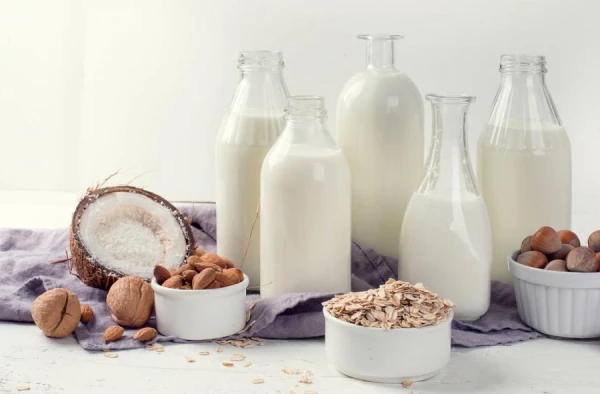
At home, plant-based milk can be made from nuts or grains such as oats. Soy milk is also possible, but soybeans are harder to find, and the process takes more time. For nut milk, you won't need a stove or pots — a blender is sufficient.
The most delicious milk is made from cashews, hazelnuts, almonds, and Brazil nuts. To achieve the best flavor, soak the nuts overnight in the refrigerator. In the morning, drain the water (it will not be needed anymore), place the nuts in the blender, and add clean drinking water. For one cup of nuts, four cups of water are required. If you want richer milk, increase the amount of nuts; if you prefer lighter milk, add more water. Blend the nuts with water in the blender — in a minute, you will get a homogeneous white mass.
If you are making milk from coconut, first crack it open with a hammer, cut it into pieces, and immediately place it in the blender with water. There is no need to soak the coconut flesh.
Then, the milk needs to be strained through a sieve, cheesecloth, or a special nut milk bag (which can be easily purchased on any marketplace). If you want to make the milk sweeter, add honey, dates, or Jerusalem artichoke syrup while blending. It also tastes great with the addition of cinnamon and vanilla extract.
Uses of Plant-Based Milk in Cooking
Plant-based milk is widely used in Asian cuisine: coconut milk is used to make tom yum soup, curry, and some desserts. Due to its ability not to curdle, it is perfect for baking and pancakes: plant-based milk easily withstands the addition of boiling water or citric acid to the dough, as well as sharp temperature changes.
Plant-based milk has its specific taste, which is particularly noticeable in almond, coconut, and walnut milk. Therefore, it is important to consider its compatibility with other ingredients in a dish.
What Can Be Made with Plant-Based Milk?
Oatmeal made with plant-based milk turns out great. To prevent it from being too sticky and the milk from altering the taste, first boil the grains in water for two to five minutes, then add the plant-based milk and cook until fully done.
This milk is often added to soups: it works particularly well in pumpkin cream soup, tom yum, or chowder. Cashew milk is perfect for desserts due to its high fat content. Almond milk is often added to coffee and used for frying pancakes.
Based on plant-based milk, sauces for meat and salads can be made. Just add olive oil, your favorite spices, and fresh herbs to the blender. Tapioca can be used for thickening — it is a harmless vegan product that will help give the dish the desired texture. Sauces turn out best with fatty milk, such as cashew or pine nut milk.
Benefits of Plant-Based Milk
Plant-based milk is especially relevant for those who are fasting, transitioning to veganism, suffering from lactose intolerance, have a milk allergy, or are concerned that regular milk worsens skin conditions. There are studies indicating a link between milk consumption and the appearance of acne or worsening skin conditions. Cow's milk, especially whole milk, is contraindicated for those with lipid metabolism disorders.
Although plant-based milk cannot completely replace regular milk (due to differences in composition), it is beneficial due to its high content of vitamins E, B, and its ability to lower cholesterol levels due to the absence of saturated fats. Almond milk is rich in folic acid, which is essential for pregnant women, as well as calcium. Oat milk improves the functioning of the central nervous system, helps cope with swelling, and lowers levels of 'bad' cholesterol. Coconut milk replenishes deficiencies in iron, magnesium, copper, and manganese.
It is important not to overuse sweeteners in such milk. Its peculiarity is that it may seem less tasty due to low richness. However, adding a large amount of sugar can make it no better than soda in terms of its effect on blood insulin levels.
What to Do with Nut Pulp?
The nut pulp left after making milk does not have to be thrown away. It can be used to make healthy plant-based candies. To do this, mix the pulp with cocoa powder, honey, dates, and vanilla extract (preferably in a blender) and form round candies from the resulting mass. They, like the milk, can be stored in the refrigerator for up to three days.
Additionally, the pulp can be used to make vegan 'cheese,' added instead of flour for flavor in pancakes or bread, and used as a source of protein and fats in cereals. It can also be made into hummus by blending it with tahini, oil, garlic, and spices (cumin, coriander, cayenne pepper).