
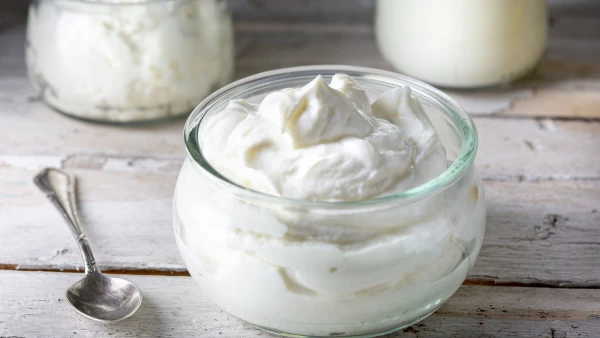
Cottage cheese has firmly established itself in the diet of those who monitor their health. This product is rich in protein, contains healthy fats, and has a delicate texture.
However, store shelves offer dozens of options, and not all of them are truly worth attention. Biochemist Anna Divinskaya explained what to look for when purchasing the product.
According to her, quality cottage cheese contains a minimum of ingredients: pasteurized milk or cream, starter culture, salt. Natural origin stabilizers, such as carob bean gum, are acceptable. However, a long list of unfamiliar names should raise concerns.
"Particular attention should be paid to vegetable fats. Manufacturers often replace dairy fat with palm oil to reduce costs. From a biochemical standpoint, such a substitution alters the fatty acid profile of the product. Dairy fat contains conjugated linoleic acids and short-chain fatty acids, which have anti-inflammatory effects. Palm oil does not provide these benefits," the expert noted.
Natural cottage cheese typically contains 5 to 25% fat. Low-fat options often compensate for the lack of fat with thickeners and starch, which reduces nutritional value. The optimal choice is a product with a fat content of 8-12%, which provides a balance of taste and benefits. The protein content in a quality product should be at least 8-10 grams per 100 grams. The protein in cottage cheese is primarily casein—a slowly digesting protein that provides a prolonged feeling of satiety and supports muscle tissue.
"Natural cottage cheese without preservatives lasts no more than 14-21 days at a temperature between 2 and 6 degrees. If the packaging indicates a shelf life of 2-3 months, it means the manufacturer used preservatives or ultra-pasteurization, which destroys some beneficial substances. The packaging should be airtight and undamaged. It is preferable to choose a product in opaque containers, as light accelerates the oxidation of dairy fat and the degradation of B vitamins," the specialist said.
The appearance and consistency of cottage cheese can be assessed after purchasing the product in the store. Quality cottage cheese has a uniform creamy consistency without grains or separation. The color should be white or slightly creamy, without yellowness. A pronounced yellow tint may indicate the use of colorants or fat oxidation.
The smell should be fresh, milky, without sour or foreign notes. The taste should be delicate, creamy, with a slight acidity. Bitterness or excessive sourness signals a violation of production technology or improper storage.
"It is important to distinguish between cottage cheese and cottage cheese products. The former is made from natural milk, while the latter may contain vegetable fats and numerous additives. The label should clearly state 'cottage cheese' and not 'cheese product' or 'cottage cheese mass'. Flavorings that are identical to natural, colorants, and flavor enhancers should raise suspicion. Their presence indicates that the manufacturer is trying to mask the shortcomings of the raw materials or technology. A natural product does not require flavor enhancers," emphasized Divinskaya.
"Pay attention to the carbohydrate content. In natural cottage cheese, it should be no more than 3-4 grams per 100 grams of product. Exceeding this figure indicates the addition of starch, sugar, or other fillers," the biochemist concluded.















Leave a comment