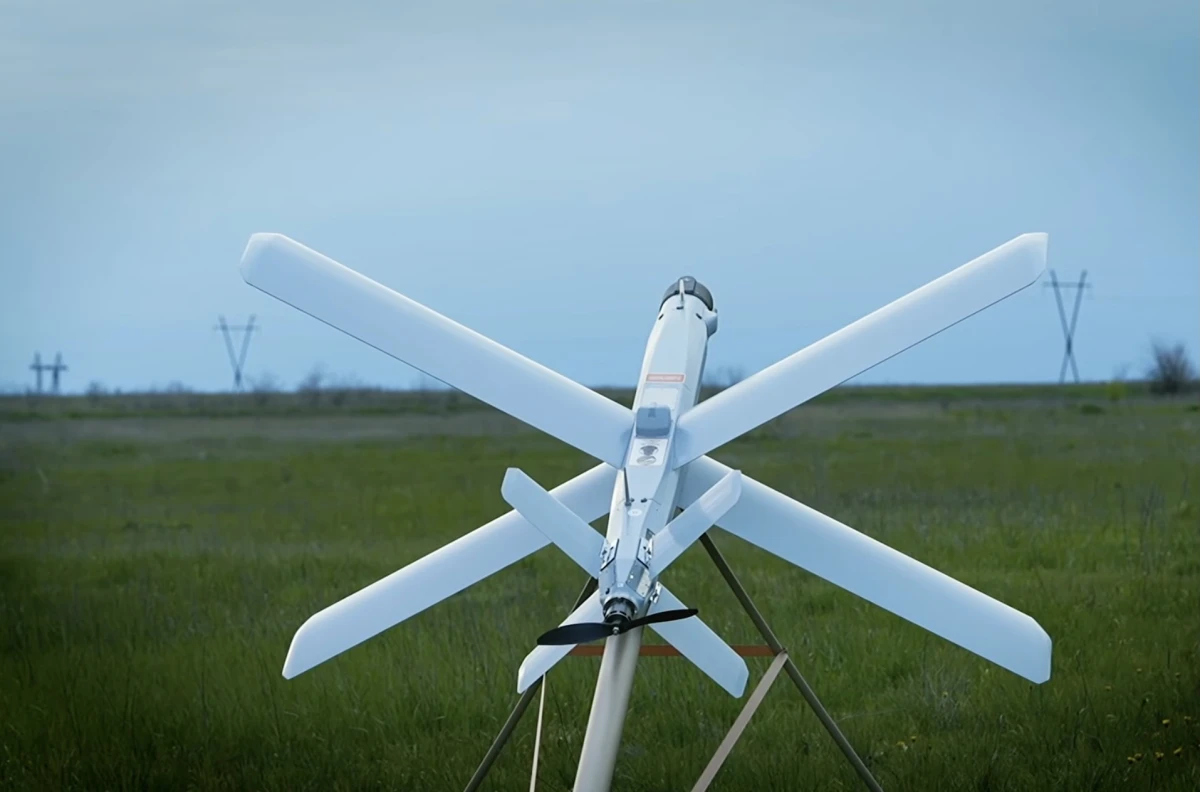
The National Armed Forces of Latvia reported that no violations of the country's airspace were recorded last night. However, a threat regime was in effect in several border areas, and NATO fighter jets were put on alert.
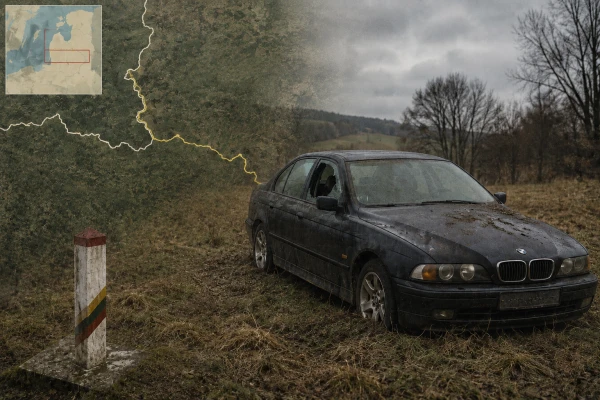
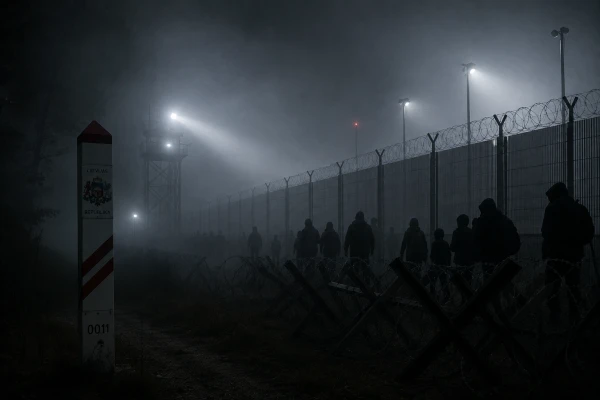
Last night, a state of heightened readiness was again in effect in the eastern border areas of Latvia due to a potential aerial threat; however, no actual intrusion of drones into the country's airspace was recorded.
This was reported by the National Armed Forces of Latvia.
Despite the absence of confirmed border violations, emergency notifications were sent to residents of the Rezekne, Balvi, Ludza, and Kraslava municipalities through the cellular alert system.
Fighter jets from the NATO mission to patrol the Baltic airspace were also put on alert.
The NAF emphasizes that together with NATO allies, they continue round-the-clock monitoring of the situation and have strengthened air defense systems on the eastern border with additional units.
In fact, authorities currently prefer to respond to potential threats with maximum caution—even if border violations are ultimately not confirmed.
Military officials note that against the backdrop of Russia's ongoing war against Ukraine, there remains a risk of new instances of foreign drones approaching the Latvian border or potentially intruding into the country's airspace.
For residents of Latgale, such alerts are gradually becoming part of everyday reality.
In recent months, there have been multiple recorded incidents of drone crashes or explosions related to the Russo-Ukrainian war in the region.
The latest such incident occurred a week ago in Rezekne, where drones fell onto the territory of a little-used oil depot.
Although there have been no casualties in such cases so far, the consequences for Latvian politics have been serious.
The drone incident in Rezekne initially led to the resignation of Defense Minister Andris Spruds and subsequently to the collapse of the entire government of Evika Silina.
Currently, issues of airspace security and the readiness of services have effectively become one of the central topics in the country—for both the military and NATO, as well as for residents of border areas.