The incidents that occurred in the Baltic Sea in 2023–2025, when strategically important underwater infrastructure was damaged, are not related to deliberate actions by Russian vessels, according to an intelligence threat assessment published in Lithuania.
According to the head of the Second Department of Operational Services of Lithuania, Mindaugas Majonis, often after an incident, the first comments do not come from intelligence, which sometimes creates false information.
“In this case, after the investigation, it turned out that the incidents were unintentional, in some cases even caused by natural disasters due to the storm,” he told reporters on Friday.
He was supported by the director of the State Security Department of Lithuania, Rymantas Briedikis.
“The investigation, so to speak, was not conducted by our intelligence service, so I do not have information on the specific methods by which this was established, but we have the answer that this is an unintentional incident,” he said.
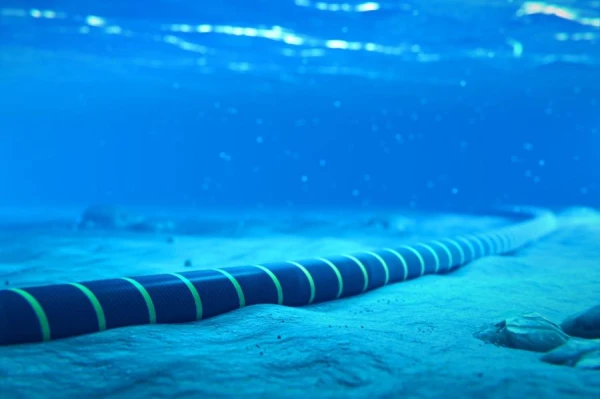
In recent years, there have been numerous damages to underwater infrastructure in the Baltic Sea. They have been recorded by Finland, Sweden, Latvia, Estonia, Germany, and other countries in the region.
Earlier this year, an optical cable between Lithuania and Latvia was damaged near Liepaja.
More than a year ago, after the severing of several underwater telecommunications and electrical cables, NATO began a mission to monitor the Baltic Sea called “Baltic Sentry.”
According to intelligence, the infrastructure running through the Baltic Sea remains vulnerable, so incidents are not excluded, which, as before, will be caused by a combination of circumstances – bad weather conditions, technical defects of vessels, and irresponsible attitudes towards navigation.