The number of crimes involving firearms in a warring country has increased by almost 5000%.
Germany is currently considering the extradition of a suspect in the murder of former Deputy Head of the Presidential Administration of Ukraine, Andriy Portnov. At the same time, it is unclear which country he is planned to be extradited to. After his arrest, Azizov refused assistance from the Ukrainian consulate. Three main versions of Andriy Portnov's murder are currently being considered: a business conflict, Ukrainian political motives, or the Russian Federation.
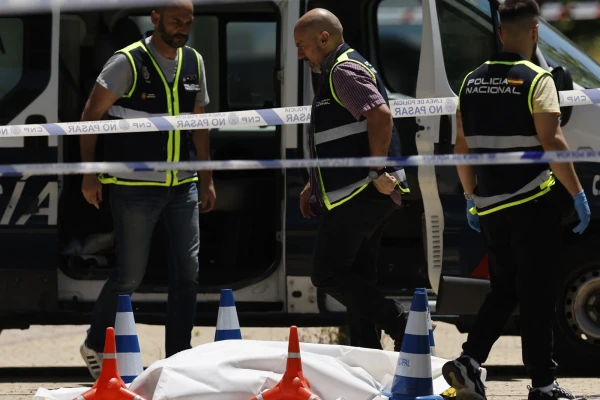
The likely perpetrator of Andriy Portnov's murder, who was arrested in Spain the day before, is a citizen of Ukraine, Alexander Azizov. This was reported by "Ukrainian Truth" citing sources in law enforcement agencies.
"Another accomplice in the murder may be the brother of the arrested individual, also a citizen of Ukraine, who is currently hiding in Russia. During the attack on Andriy Portnov, both brothers were armed with firearms. A third accomplice in the murder, who provided an escape route for the killers, is also being sought. His identity has been established by law enforcement agencies in Spain. He is also wanted," noted journalist Mykhailo Tkach from "UP".
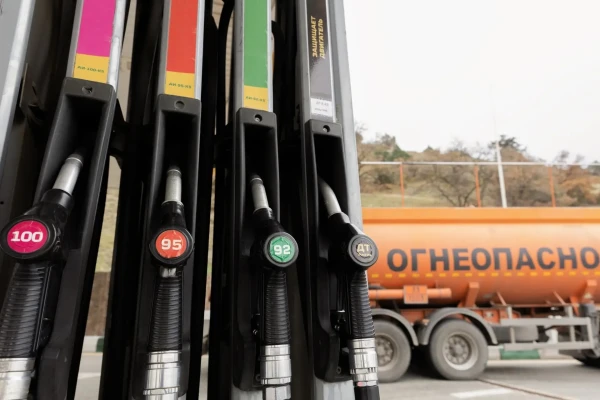
He added that the arrested individual, like his brother, is from the city of Shakhtarsk in the Donetsk region. From 2005 to 2014, the suspect was engaged in entrepreneurial activities, dealing in retail fuel sales. Previously, Azizov had already been involved in criminal cases in Ukraine. In particular, in 2007 he was a defendant under Article 263 Part 1 of the Criminal Code of Ukraine – for the manufacture and possession of firearms. However, he did not receive a sentence. In 2021, it was recorded that Azizov was driving a vehicle under the influence of narcotics.
Since 2022, the number of crimes involving firearms in Ukraine has increased by almost 5000% — the European Commission is preparing for a surge in arms trafficking after the end of hostilities.
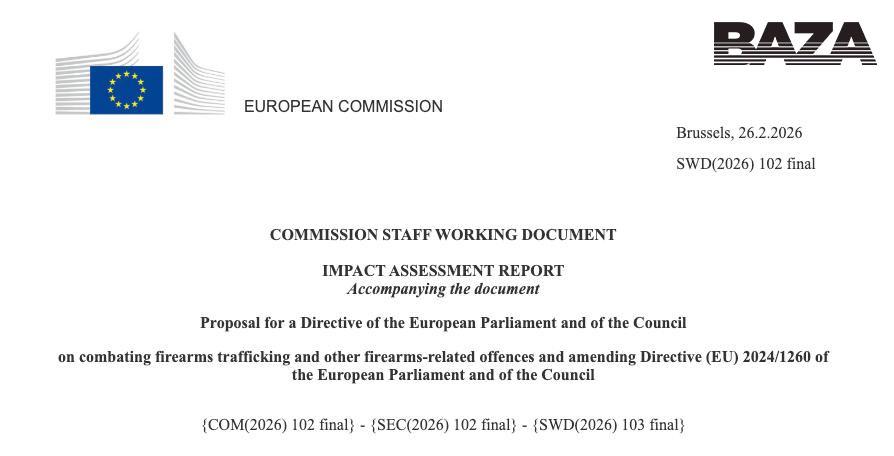
In a working document for a new directive on combating the illegal arms trade, Brussels writes that after the conflict ends, the flow of illegal firearms could amount to hundreds of thousands, if not millions of units. The document emphasizes: the risk of illegal trafficking after the war will be "orders of magnitude higher" than in the case of the Balkans (the main hub for illegal arms in Europe). The EU acknowledges that the current system of checks has failed to manage the Balkan flow and is unlikely to stop the Ukrainian one. The same Balkan smuggling channels could be used to transfer weapons from Ukraine.
Brussels has long been noting signs of an organized black market forming within Ukraine: in August 2024, Ukrainian law enforcement dismantled a network of illegal arms trade in Lviv — 70 km from the Polish border. They seized 72 pistols, 20 assault rifles, 29 grenades, and nearly 49,000 rounds of ammunition, as stated in the document.
According to Ukrainian law enforcement, the number of crimes involving firearms has increased by almost 5000%, from 275 in 2022 to 13,413 in 2024. The Ministry of Internal Affairs of Ukraine estimates the volume of "trophy weapons" in the hands of the population at 1–5 million units. In addition, over 800,000 cases of loss and theft of firearms have already been registered in Ukraine — more than the total in the EU.
The European Commission concludes that after the war ends, the surplus of weapons will inevitably become a criminal resource. And preparations for this need to be made in advance.