
Some of the offenses have been classified as serious, with penalties of up to 5 years in prison.
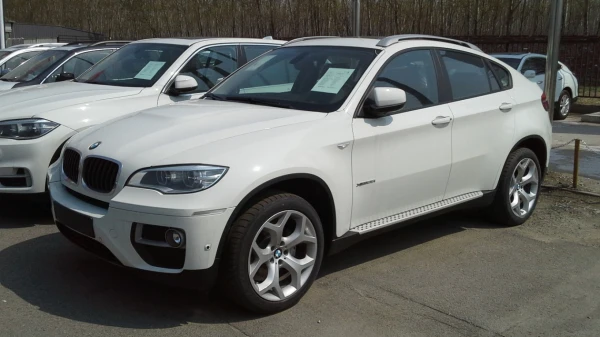
The European Anti-Fraud Office (OLAF) announced that it has launched a major international investigation into the circumvention of European Union sanctions against Russia. As part of this investigation, the export of more than 760 vehicles from EU countries circumventing sanctions is being examined. The investigation has become one of the largest in scale in the field of illegal supplies circumventing sanctions. A total of 766 cars have been identified, which were declared for shipment to Turkey but did not arrive at the stated destination.
The investigation began after Polish authorities discovered suspicious shipments of used cars from the European Union and forwarded the data to OLAF. According to Polish customs, the cars were actually rerouted to Russia. OLAF, in close cooperation with the national authorities of EU member states, uncovered an extensive scheme involving several exporters from the EU and importers from third countries, including Armenia, Georgia, Kazakhstan, Kyrgyzstan, and Moldova. OLAF was able to establish that the declared destinations never received any of the 766 cars. Each vehicle was tracked, allowing the reconstruction of the logistics chain and the discovery of the cars in Russia. As a result of the investigation, criminal proceedings have been opened in three EU member states. Acting OLAF Director General Salla Saastamoinen emphasized that sanction circumvention schemes undermine EU measures, and her agency continues to work to ensure the effective enforcement of EU sanctions and to prevent such violations.
Earlier, Polish police in Lublin detained 20 individuals on suspicion of involvement in an organized crime group engaged in luxury car trading. According to the investigation, this group was involved in trading cars circumventing sanctions and committing VAT refund fraud.
Some of the offenses have been classified as serious, with penalties of up to 5 years in prison and substantial fines. Investigators found that from 2021 to 2025, the group operated in Poland, the Czech Republic, Lithuania, and Germany. Participants used front individuals who registered companies to complicate transaction chains and conceal their criminal nature.
Premium brand cars — BMW, Mercedes, Porsche, Lexus, and Range Rover — were purchased from dealerships, resold to intermediaries in the EU, and then illegally sent back to Poland. From there, the cars were unlawfully shipped to Russia and Belarus, primarily through Belarusian, Azerbaijani, and Kazakh companies. According to the investigation, around 600 cars were illegally imported into Russia. Companies associated with the group received an unjustified VAT refund amounting to approximately $10 million.
In March 2022, the United States, the European Union, and the United Kingdom imposed a ban on the supply of cars to Russia worth over $50,000.






Leave a comment