Latvia and Ukraine have signed several memoranda of understanding that provide for the development of investment projects in the production of unmanned systems, technology transfer, and the establishment of modern infrastructure in Latvia for testing dual-use technologies, the Latvian Investment and Development Agency (LIAA) reported.
According to Minister of Economics Viktor Valainis, the agreement confirms that the recent trade mission of Latvian entrepreneurs to Ukraine has yielded concrete and practical results. The minister notes that this is not just one project, but several interconnected areas of development - investments in production, technology transfer, research, infrastructure for testing, and international cooperation.
Valainis emphasizes that cooperation with Ukrainian companies, which have accumulated experience in the development of unmanned systems and dual-use technologies in recent years, provides Latvia with the opportunity not only to attract investments but also to acquire knowledge, develop local competencies, and create new exportable products.
These projects create the foundation for establishing a new environment in Latvia for the development of unmanned systems and dual-use technologies. This means new jobs, investments, export opportunities, and knowledge transfer, which is important for the growth of the economy and the long-term competitiveness of Latvia, Valainis notes.
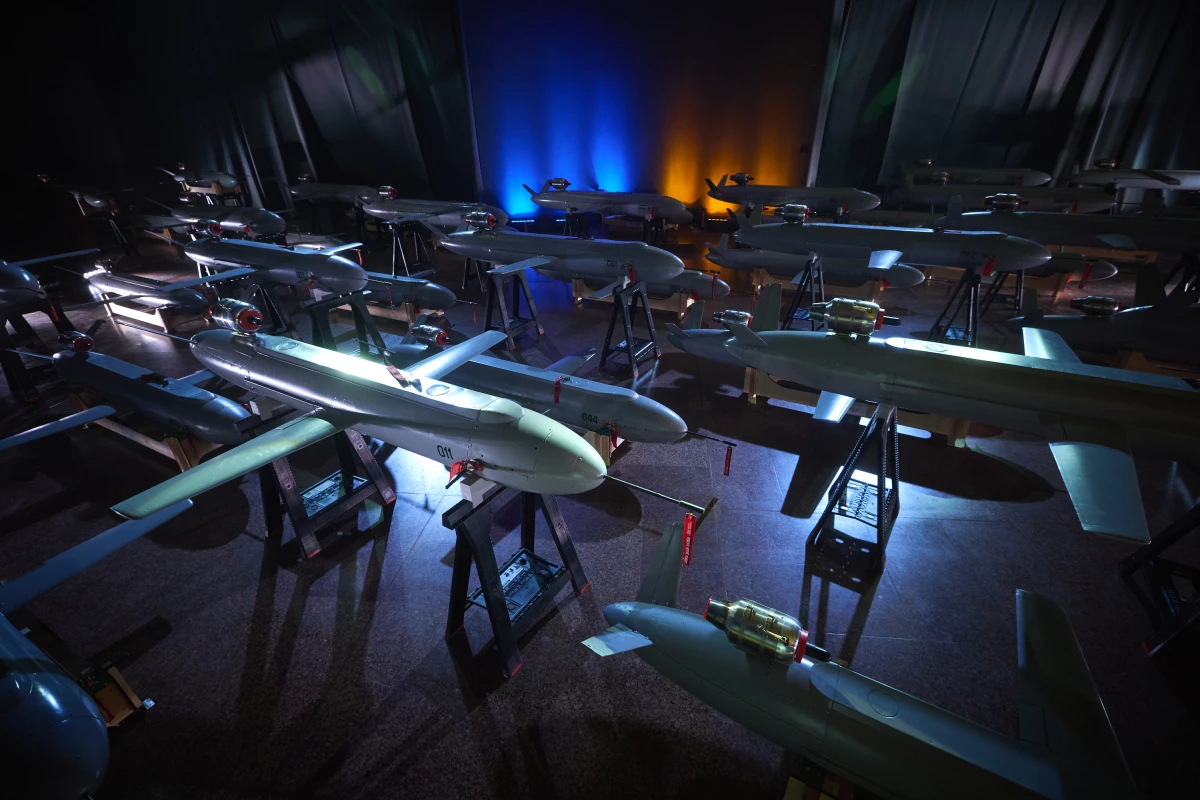
The signed agreements cover cooperation in various investment and technology development projects in Latvia, providing for the design, production, and integration of unmanned systems and their components, technology transfer, and expansion of production capacities, as well as the creation of modern infrastructure for demonstration, testing, and innovation, the minister adds. Overall, the memoranda create a foundation for establishing a new environment in Latvia for the development, testing, and production of unmanned systems and dual-use technologies, facilitating investment attraction, innovation development, and high value-added production.
Director of LIAA Ieva Jagerte notes that the foreign economic representation of LIAA in Ukraine continues to work actively under wartime conditions, and several projects that were initiated during LIAA's collaboration with Ukrainian partners in peacetime have now reached the next stage of development.
The signing of the memoranda was also attended by Minister of Defense Raivis Melnis.
Melnis emphasizes that for him, the transfer of proven defense technologies and innovations from Ukraine for the development of local industry is important, as well as learning from the experiences of Ukrainian companies in wartime for close cooperation with the armed forces. According to Melnis, it is important to strengthen the ties between the industrial and innovation ecosystems of Latvia and Ukraine, jointly strengthen supply chains, and promote competitiveness and integration in the European market.
LIAA notes that one of the memoranda provides for the establishment of the "Baltic Forces Hub" - an environment for demonstration, testing, and innovation in dual-use technologies. The goal of the project is to create infrastructure that will allow for the real-world testing of unmanned systems, autonomous technologies, and other innovative solutions, while simultaneously fostering collaboration between businesses, research organizations, academia, and international partners. The project will strengthen cooperation between innovation centers in Latvia, Ukraine, and other partner countries, providing an environment for the development, demonstration, and refinement of new technologies.
"Baltic Forces Hub" is also important for RTU, which is currently developing several solutions in dual-use technologies. Unlike military test sites, which have limited use and are focused on the needs of the defense sector, the new testing environment will provide opportunities for research, prototype development, and technology validation. It will allow students, researchers, and businesses to test their developments in real conditions while simultaneously establishing knowledge exchange with Ukrainian engineers and technology developers who have accumulated experience and competencies in unmanned technologies and dual-use technologies, LIAA notes.
Additionally, LIAA reports that a separate memorandum provides for the development of an investment project for the design and production of unmanned systems in Latvia in collaboration with the Ukrainian company "Global Dynamics." The systems developed by the company are already being produced in Ukraine and the UK, and the implementation of the project in Latvia will ensure the expansion of production capacities, technology transfer, and the development of new competencies in the local industry.