Global oil prices transitioned to a decline on Thursday following updated forecasts from OPEC and warnings from the International Energy Agency about potential market instability. Investors are concerned about further supply disruptions through the Strait of Hormuz and are closely monitoring the geopolitical situation in the Middle East.
Global oil prices are showing a decline amid revised demand forecasts from OPEC and warnings from the International Energy Agency about impending volatility*, CNBC reports.
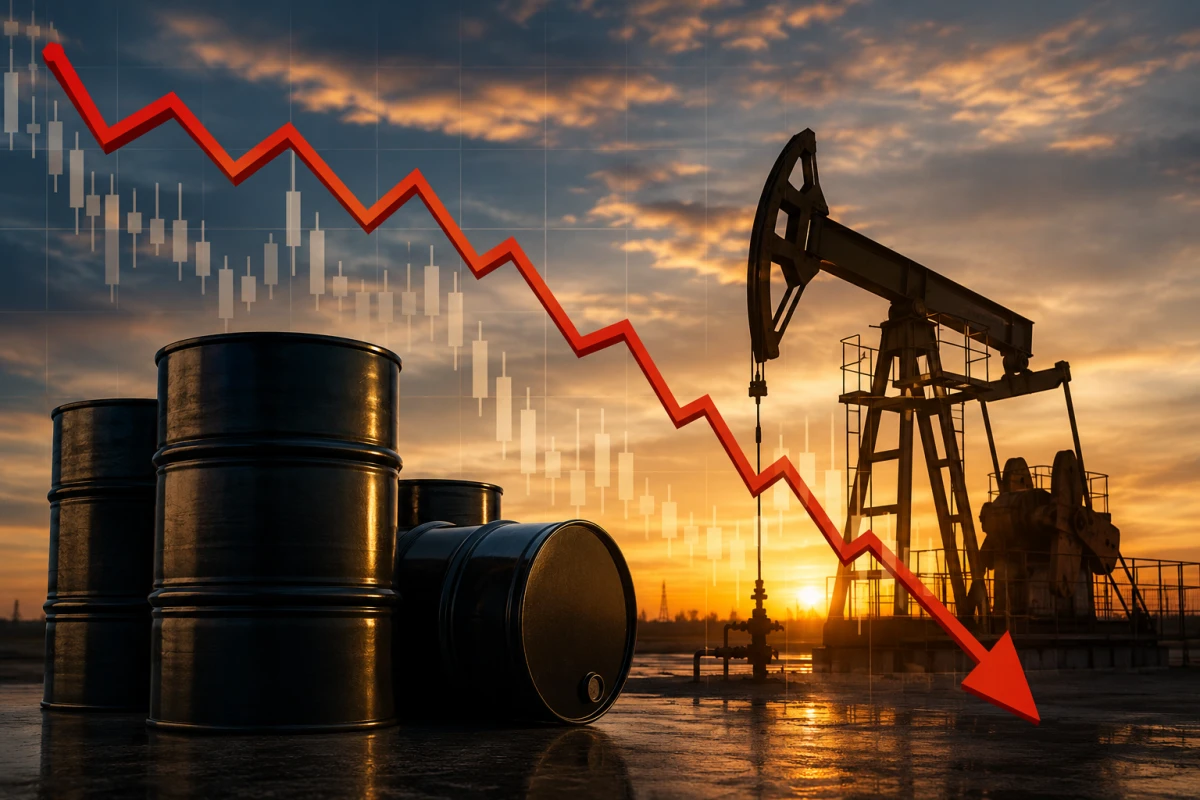
July futures for Brent crude fell by 0.21% to $105.42 per barrel, while June contracts for WTI dropped by 0.16% to $100.87 per barrel.
In its latest report, OPEC lowered its demand growth estimate for 2026 from 1.4 million to 1.2 million barrels per day. The organization's production fell by 1.7 million barrels per day in April, and since the end of February, the total decline has exceeded 30%, reaching 9.7 million barrels per day. The International Energy Agency emphasized on May 13 that disruptions in the Strait of Hormuz are leading to a record rapid depletion of global reserves. "More than ten weeks after the conflict in the Middle East began, rising supply losses are depleting global reserves," the agency noted. Total losses from Gulf producers have already surpassed one billion barrels.
The market is watching the negotiations between the US and China
ING analysts believe that the further price dynamics will largely depend on the situation around the Strait of Hormuz and threats to the region's oil infrastructure.
Market attention is also focused on the upcoming meeting between Donald Trump and Xi Jinping. China remains the largest buyer of oil passing through the Strait of Hormuz, so Beijing is interested in stabilizing the situation as soon as possible.
At the same time, the May OPEC report will be the last to include statistics from the United Arab Emirates, which officially left the cartel on May 1.
In the opinion of the editorial team, the oil market is entering a period of heightened uncertainty, where prices are simultaneously influenced by geopolitics, production cuts, and expectations of slowing demand. Any escalation of the situation around the Strait of Hormuz could trigger a new spike in fuel prices and increase pressure on the global economy.
*Volatility is a financial indicator that characterizes the degree of price variability of a particular asset over time. The higher this indicator, the more rapidly and significantly the asset's value changes, indicating increased risks and instability in the market.