Retail trade in Latvia continued to grow; however, the protraction of the crisis in the Middle East may slow down this process, economists warn.
Not the time to spend money
Dainis Gashpuitis, economist:
– March, like the entire first quarter, confirms a confident recovery in consumption. Similar trends are observed in Lithuania and Estonia; however, the situation is less favorable in other countries — in Germany and Sweden, consumption is restrained by pessimistic sentiments amid uncertainty.
Such risks are beginning to form in Latvia as well, which may bring caution back to spending. The rise in energy resource prices and overall inflation will not go without consequences and will lead to a correction in consumption. At the same time, if the growth of real wages continues and the operation of the Strait of Hormuz resumes soon, the impact will be limited, and consumption will continue to grow. However, if an agreement between Iran and the USA is not reached in the coming months, the negative impact of uncertainty and rising energy prices will accumulate, restraining economic growth.
Large purchases are being postponed
Karlis Purgailis, economist:
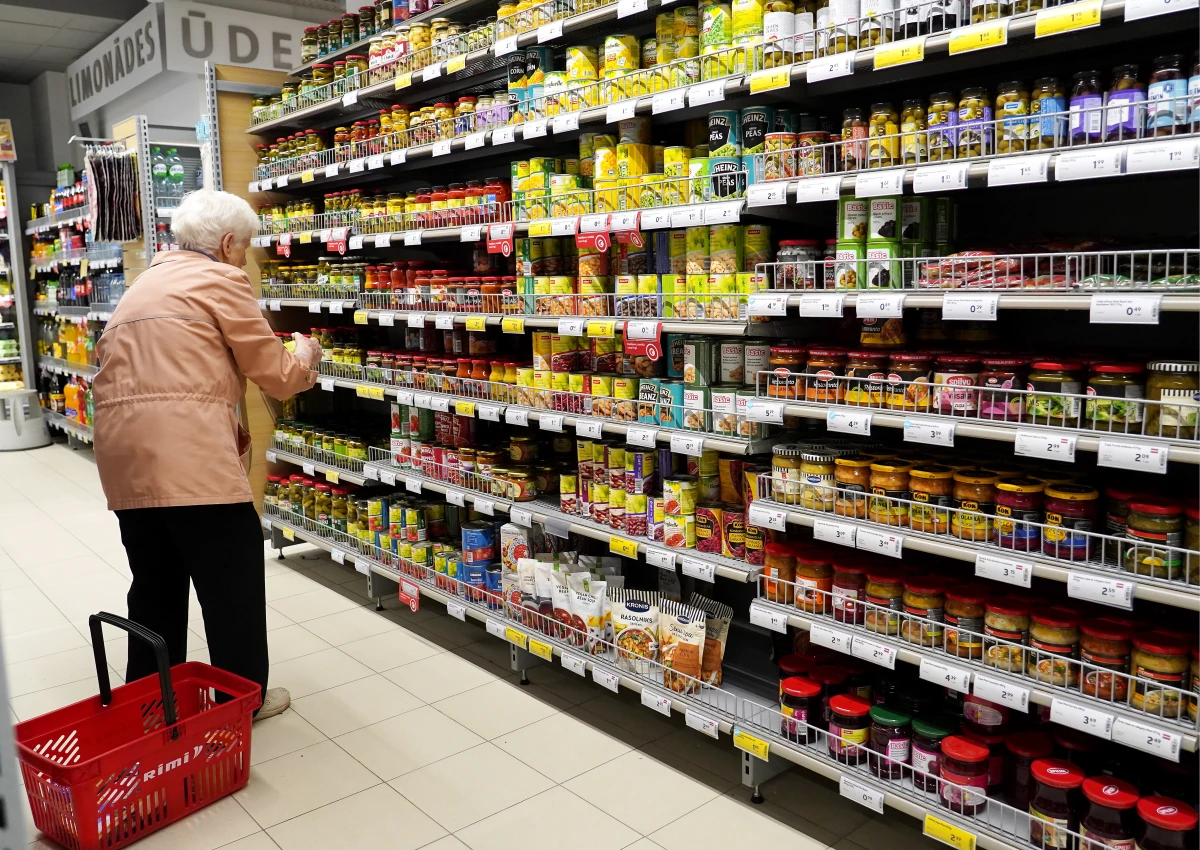
– Retail trade growth in March continued to slow down, although it remains above last year's level. Despite the increase in turnover compared to 2025, the growth rates are declining, and no significant improvements are expected in April and the coming months.
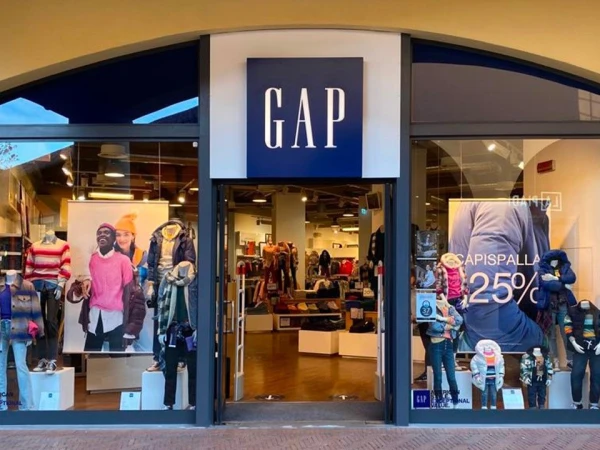
The highest turnover growth in March was observed in seasonally active categories — cultural, leisure, and sports goods (+12.4%), as well as in the ICT equipment segments (+11.8%) and construction goods (+11.4%).
The largest decline in turnover was recorded in the sales of books, press, and stationery, as well as in markets and trade of used goods — by 6–10.1%.
Since the beginning of the year, there has also been a decline in the consumer confidence index, indicating more cautious behavior of households and a tendency to postpone large purchases.
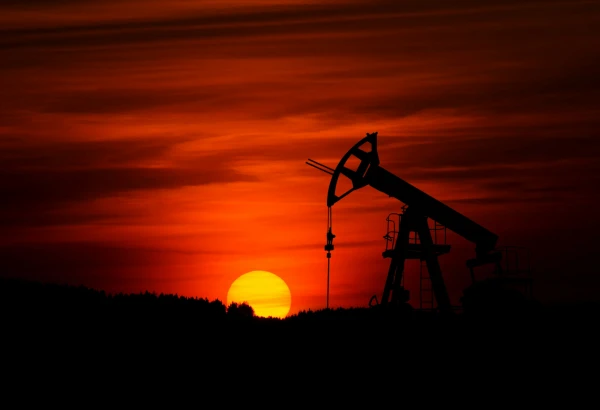
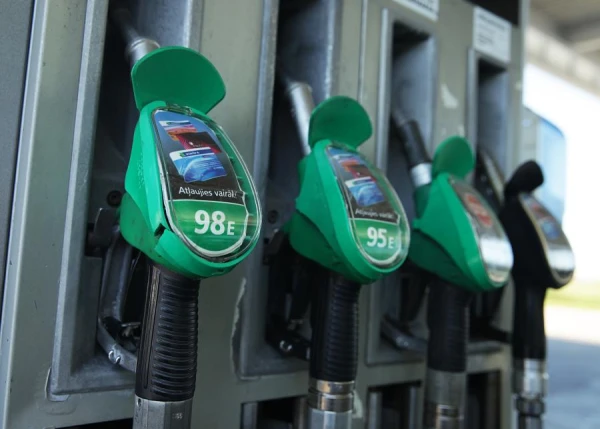
The dynamics of energy prices remain a key factor. While there was a sharp rise in oil prices at the beginning of March followed by a slight decrease in April, by the end of the month prices again exceeded $100 per barrel. The main reason was the geopolitical tension in the Middle East, which increased transportation and logistics costs and subsequently affected the prices of goods and services.
In the summer, inflation in Latvia may approach 5% or exceed this level, especially if high energy prices persist. In certain retail segments, this may lead to a decline in sales at comparable prices due to reduced purchasing power of the population.
Where will tourists go
Daina Paula, economist at the Bank of Latvia:
– Despite geopolitical upheavals, in March the optimism of participants in Latvia's economy increased, and the annual growth rate of household deposits also slightly increased.
Data on card payments and the level of inflation indicate a slight increase in real spending on an annual basis; however, this has supported other service providers more than retail trade. Already in March, the contribution of fuel prices to inflation significantly increased, and the rising energy costs are forcing airlines to reconsider their activities.
Tourists may also revise their plans for this season — both in terms of destinations and distances and duration of trips. Although it is unlikely that those who planned trips to the Middle East will redirect their tourism budget, for example, to the Baltic States, thereby supporting retail trade in Latvia. At the same time, the rise in fuel prices and instability in air travel may, on the contrary, stimulate the choice of closer destinations, including trips within Latvia.
STATISTICS
In March 2026, retail trade turnover in Latvia increased by 3.9% compared to March 2025, reported the CSB.
Food sales increased by 1.1%, non-food goods (excluding fuel) by 5.4%, and automotive fuel by 4.8%.