After the nationalization in 2022, triggered by the Ukrainian conflict, Germany announces the start of the privatization of its former Gazprom subsidiary, now known as SEFE. This strategic move aims to attract billions of euros to strengthen the country's energy security and develop key infrastructure assets.
Germany is embarking on a large-scale privatization of its former Gazprom subsidiary, which was nationalized by Berlin following the onset of the Ukrainian conflict in 2022. This important decision was announced by the company's CEO, Egbert Lege, to the Financial Times. The company, now known as Securing Energy for Europe (SEFE) and previously called Gazprom Germania, plans to raise between 1.5 and 2 billion euros.
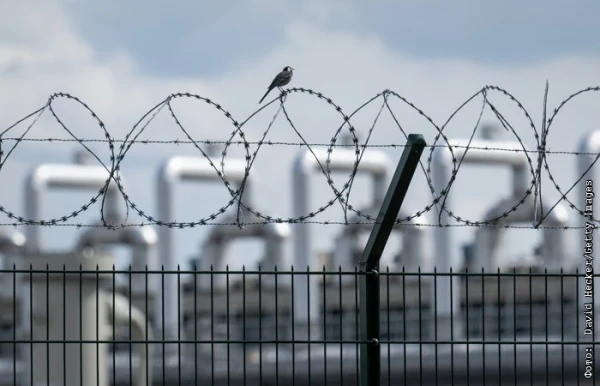
These funds will be directed towards a significant capital increase, allowing for substantial business expansion that manages critically important infrastructure assets. SEFE includes valuable assets such as large gas storage facilities and extensive pipelines. It also encompasses a strong trading business based in the UK, formerly known as Gazprom Marketing & Trading.
Strategic Plans and European Requirements
According to strict European Union regulations, by 2028, Germany is required to sell at least 75% of its stake in state-owned companies. This will mark the first significant reduction of the government’s stake in any asset, highlighting the seriousness and uniqueness of the current process.
Mr. Lege stated that the current geopolitical tensions have given additional impetus to the group's privatization plans. Limited energy resource supplies from the Middle East have clearly demonstrated the vital need for reliable sources, as well as led to significant increases in gas prices.
Investor Selection and Security Assurance
The head of SEFE added that the company's strategic role in ensuring Germany's energy security could be a decisive factor and potentially exclude some investor candidates. This underscores the country’s commitment to maintaining control over critically important energy assets.
He noted, "We are discussing with the government whether it has preferences or restrictions, given that we are at a very important stage for ensuring supply security in Europe and Germany."
Privatization Options and Long-Term Goals
Regarding the format of privatization, Mr. Lege expressed some concerns. "Given the short timeframe we are operating in, conducting an IPO might be a bit challenging for us, but ultimately, it depends on the markets and the government," explained the head of SEFE.
The Financial Times indicates that some industry observers speculate about a possible breakup and subsequent sale of the company's assets. However, Egbert Lege emphasized that SEFE intends to retain both regulated tariff assets and trading operations. He believes these two areas complement each other well.
Future Cooperation and Autonomy
Among the discussed options was a potential merger of SEFE with gas importer Uniper, which was also nationalized in 2022. This proposal has sparked keen interest from the government.
"The government is considering this issue," Lege stated, confirming active discussions about this possibility. He also added, "It owns both companies, so of course, it should be considered whether a merger could create greater value, but for now, I assume that the SEFE process will be autonomous."