
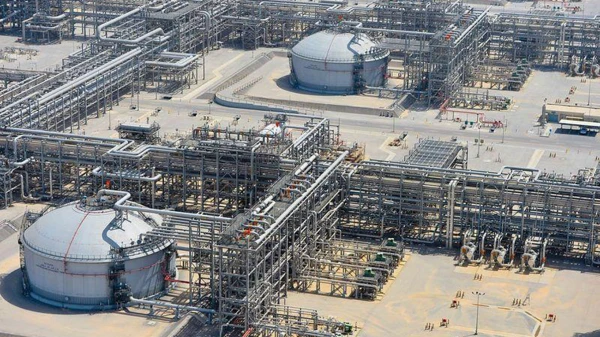
High prices may undermine demand for hydrocarbons in the long term.
The authorities in Saudi Arabia are trying to assess how high oil prices could rise if the war with Iran and the resulting disruptions in energy supplies do not end soon. A strong increase in prices in Riyadh is considered unfavorable, as it destabilizes markets and economies: they prefer stability. However, the forecasts made so far only instill concern, writes The Wall Street Journal.
If supply disruptions persist until the end of April, prices in the baseline scenario could exceed $180 per barrel, several officials from the oil industry shared their calculations with the newspaper.
Saudi Arabia itself has lost the ability to export oil from the Persian Gulf but has managed to restore more than half of its exports by redirecting shipments from ports located on the Red Sea coast. A pipeline has been laid across the country from east to west specifically for the case of hostile actions from Iran. Exports from the western port of Yanbu amounted to about 4.19 million barrels per day, Bloomberg calculated; before the war, Saudi Arabia exported a total of about 7 million barrels per day, of which only 1.4 million came from Yanbu.
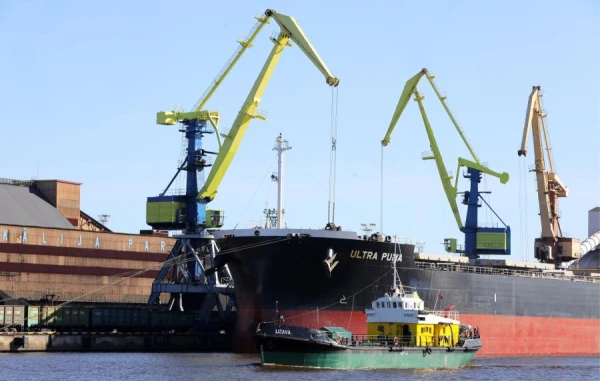
The Saudis quickly managed to redirect an entire armada of tankers to the Red Sea. No fewer than 32 supertankers, which can carry more than 2 million barrels, as well as smaller vessels, are awaiting loading at Yanbu, while others are heading to the port, Bloomberg reports.
Saudi Arabia is the only country in the Persian Gulf with an alternative export route, and high oil prices may seem advantageous for it. However, in Riyadh, they do not want to appear as if the country is profiting from a war that it did not start, notes the Wall Street Journal.
High oil prices could undermine demand for it in the long term, forcing consumers to change their habits, such as developing renewable energy and reducing fuel consumption by switching to electric vehicles. In the short term, an oil shock could trigger a recession in the global economy, which would also negatively affect demand.
Karim, an analyst on Saudi foreign policy and geopolitics from the King Faisal Center for Research and Islamic Studies, noted:
"Saudi Arabia generally does not like too rapid increases in oil prices because it leads to market instability in the long term. The ideal scenario for the Saudis is a relatively moderate price increase while maintaining a stable market share."
Brent crude oil prices soared by more than 10%, exceeding $118 per barrel, but then retreated to lower levels. By mid-trading day, it had fallen by 1.8% to $106.65 per barrel.












Leave a comment