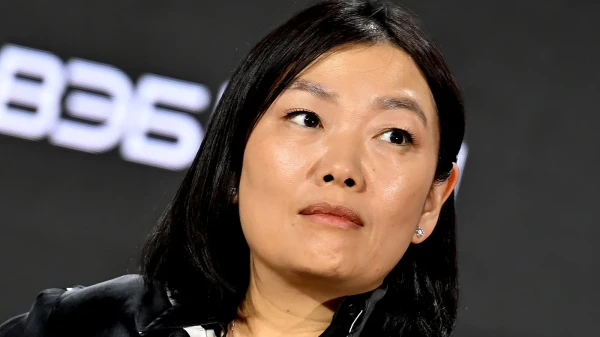
Their fortunes are growing despite the war and sanctions.
Over the past year, the overwhelming majority of Russian participants in the global Forbes ranking — 85 people — have become richer. Their combined wealth increased by $84.6 billion, primarily due to the strong appreciation of the ruble against the dollar. Throughout the year, the Russian economy was under pressure from the high key rate of the Central Bank and sanctions imposed by unfriendly states, resulting in the Moscow Exchange index declining by 11%. However, the growth of Russian businessmen's fortunes was aided by the ruble, which appreciated by 16% against the dollar. Another positive factor was the dividends that companies paid to their owners based on the results of the "fat" 2023-2024 years.
As a result, the number of Russian billionaires in the global ranking increased from 146 to 155. For 85 individuals, wealth increased over the year, for 18 it remained unchanged, and for 35 it decreased. Eight billionaires dropped out of the Russian part of the ranking: seven due to a decrease in capital value and one due to renouncing Russian citizenship. Their places were taken by 14 newcomers, and three more returned to the list of the richest people in the world.
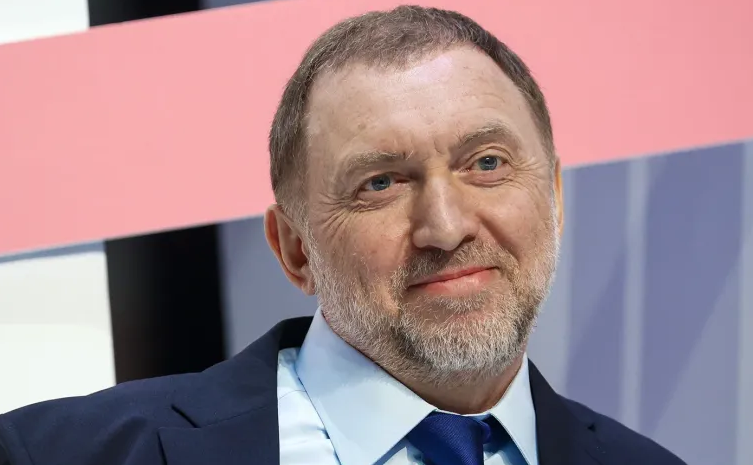
The richest Russian billionaire became Oleg Deripaska — over the year, his wealth increased by 85%, reaching $7.6 billion.
1. Oleg Deripaska. Growth over the year: +85% (+$3.5 billion). Capital in 2026: $7.6 billion
A year ago, Deripaska also made it to the list of the richest Russian billionaires, thanks to a 46% increase in capital, although at that time he was at the bottom of the top 10. Since then, the value of shares of his holding company En+ Group, which owns assets in hydropower and the aluminum producer Rusal, has increased by 16% in dollars. Additionally, in May 2025, the Central Bank of Russia, executing a court decision, forcibly wrote off 174.2 billion rubles from Raiffeisenbank in favor of the company Rasperia Trading. In 2007, Rasperia Trading (then the Cypriot Rasperia Trading), controlled by Oleg Deripaska, became the owner of 25% of shares of the Austrian construction company Strabag. In 2023, Raiffeisenbank agreed to buy out Rasperia Trading's stake in Strabag for €1.51 billion, but the deal fell through due to sanctions imposed by the EU and the US. In 2024, Rasperia Trading filed a lawsuit against Raiffeisenbank and Strabag for compensation for damages, which was ultimately upheld by the court.
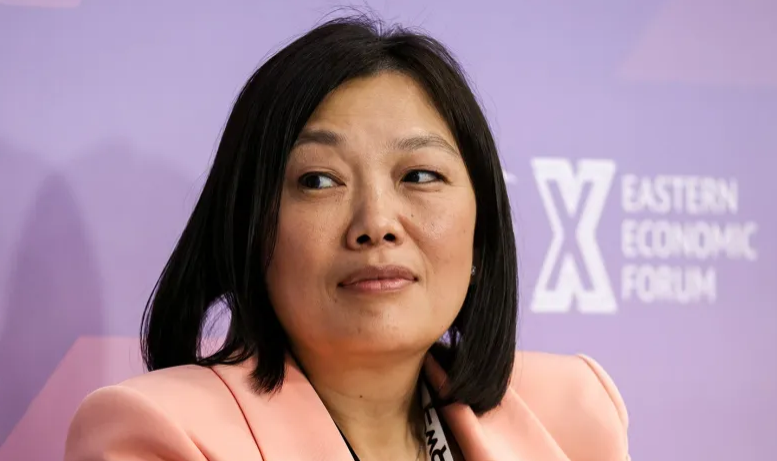
2. Tatyana Kim. Growth over the year: +76% (+$3.5 billion). Capital in 2026: $8.1 billion.
The value of shares of Wildberries' main competitor — Ozon — grew by almost 40% in dollars on the Moscow Exchange over the year. Meanwhile, unlike Ozon, Wildberries has long been a profitable company. According to Forbes' estimates, Wildberries earned 98 billion rubles in net profit for 2024, while Ozon reported a loss of 59 billion rubles. There is currently no data for 2025 for the entire Wildberries group, although only Wildberries Bank increased its profit almost fourfold to 42 billion rubles over the nine months of 2025. Ozon reported a small loss of less than 1 billion rubles for the 2025 fiscal year.
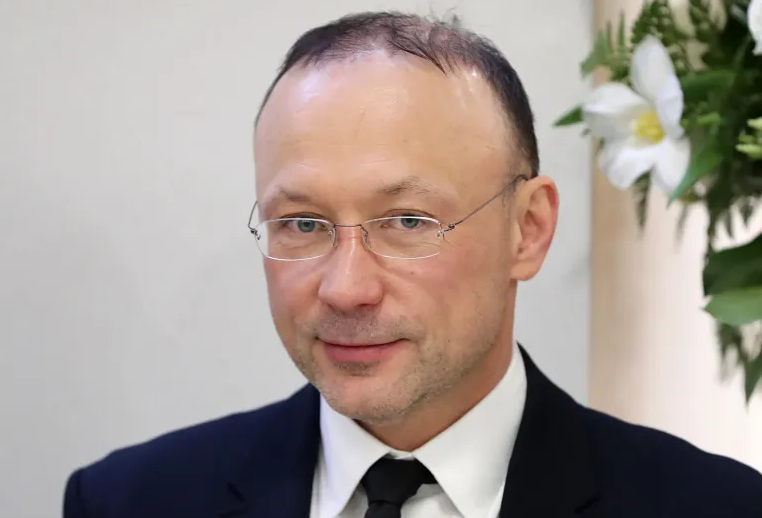
3. Igor Altushkin. Growth over the year: +69% (+$2 billion). Capital in 2026: $4.9 billion.
Founder of the Russian Copper Company, one of the largest copper producers in Russia. Since 2022, the company has become completely non-public, and its credit ratings were withdrawn by the rating agencies ACRA and Expert RA. Nevertheless, Forbes estimates that the value of the net assets of enterprises associated with or belonging to the Russian Copper Company has increased over the year. The valuation was also influenced by the rise in share prices of another Russian copper producer — Norilsk Nickel, whose stock price increased by 41% in dollars.
4. Grigory Berezkin. Growth over the year: +64% (+$700 million). Capital in 2026: $1.8 billion.
Co-owner of the energy supply company Rusenergosbyt. Previously, Berezkin, along with partners, owned 50.5% of the company, while 49.5% was owned by the Italian corporation Enel. In December 2023, Enel sold its stake back to Rusenergosbyt (the deal was closed in April 2024). According to Rusenergosbyt's report for 2024, the company paid 8.3 billion rubles for its own shares. According to the methodology of the American magazine Forbes, treasury shares in the capital of non-public companies are not taken into account, so Berezkin's stake in Rusenergosbyt effectively doubled, leading to a sharp increase in the value of this asset in his capital. Additionally, the billionaire received dividends totaling over 12 billion rubles before taxes.
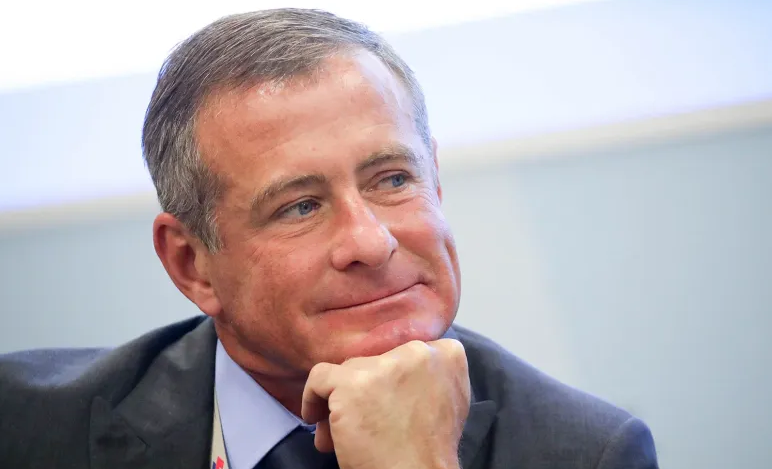
5. Suleiman Kerimov and Family. Growth over the year: +57% (+$9.3 billion). Capital in 2026: $25.7 billion.
Until 2022, the Kerimov family owned 76.3% of the shares of the gold mining company Polyus, which were held by Kerimov's son Said. In April 2022, Said was sanctioned by the EU and the UK, and in November 2022 — by the US. He transferred his stake in Polyus to his father's former colleague in the Federation Council, Akhmet Palankoev, and the Fund for Support of Islamic Organizations. In August 2023, Polyus bought back its shares from Palankoev. Over the year, the value of shares of the gold mining company increased by 50% in dollars on the Moscow Exchange. Additionally, in 2025, Polyus announced dividends amounting to nearly 245 billion rubles.