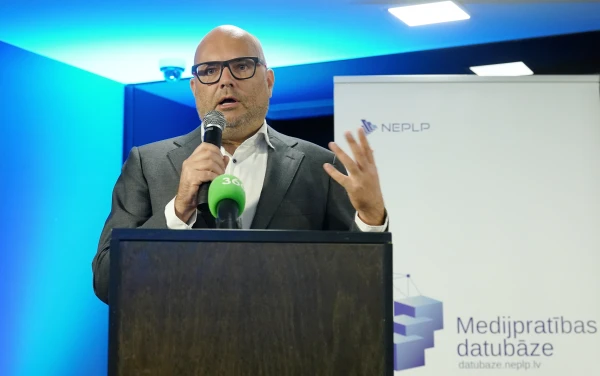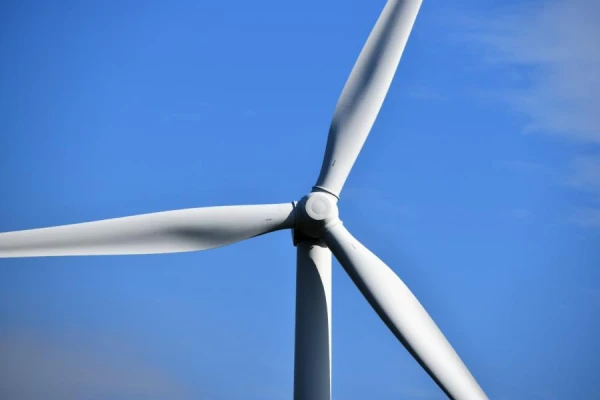
Only a few wind farms will be built in Kurzeme, said the leader of the Wind Energy Association, Toms Naburgs, according to public media.
In terms of industry development, Latvia is at least 20 years behind its Lithuanian neighbors, and discussions that have long been held in Lithuania are just beginning in Latvia. Local governments are continuing to develop territorial planning at different paces, assessing the impact of wind farms on the landscape and other natural values; however, there is overall significant uncertainty regarding how the industry will develop further.
To discuss current industry issues, the Wind Energy Association invited representatives from various sectors, government, and local governments to a discussion in Kuldiga. The first wind farm in the Baltics was built in Grobina, followed by turbines near Ventspils, but compared to Lithuanians and Estonians, the development of wind farms in Latvia has virtually not occurred. It is no longer possible to reach Lithuania's level, as they began building wind farms back in the early 2000s. Latvia has built wind farms with a capacity of about 150 megawatts, which is significantly less than in Lithuania.
"If we compare with Lithuania, which has nearly 3000 megawatts, we are lagging behind by twenty times," said the association's leader.
According to Naburgs, the reason is that Latvia has lacked both dialogue with society and a clear government position on these issues. It is now clear that from what is theoretically planned, significantly less will actually be built.
"In Kurzeme, many projects are in the planning stage, but I think most of them will not be built; those that do get built will largely depend on the financial capabilities of the developers - whether banks will provide them with financing, and obtaining financing from banks is becoming increasingly difficult. Therefore, I predict that in Kurzeme, in total, three to a maximum of five wind farms will be built for the entire region," noted the association's leader.