
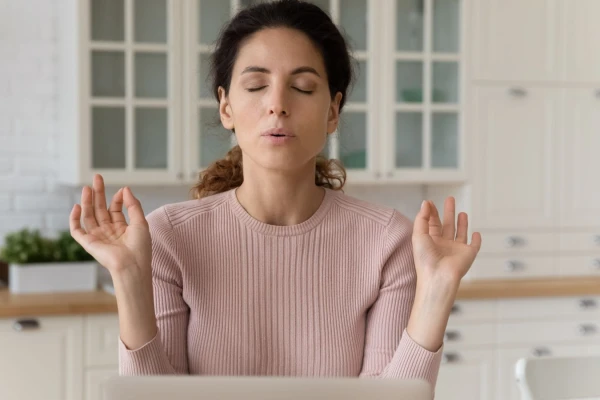
In conditions of constant tension and stressful situations, people are looking for quick and accessible ways to relax. One of the unusual approaches that has become a topic of discussion in professional circles of actors and therapists is the "clown breathing" technique, which combines elements of conscious breathing control for rapid anxiety reduction. Experts explain how and why this practice works in everyday life to combat stress.
What is "Clown Breathing"
"Clown breathing" is a term often used in actor training and even in art therapy, where the focus is on conscious breathing that activates both the body and the emotional sphere simultaneously. In such exercises, breathing becomes the central tool through which the actor creates a connection between emotions, the body, and the stage image. This helps not only on stage but also in everyday life for managing emotional reactions and reducing tension.
Similar breathing practices are described in yoga and psychological techniques, where conscious control of breathing helps shift attention, slow the heart rate, and activate the relaxation mechanism.
Why Breathing Helps Relieve Stress
Physiologists and psychologists have long confirmed that breathing is directly linked to the functioning of the autonomic nervous system — the very system that regulates the "fight or flight" response during stress. Conscious, slow breathing activates the parasympathetic nervous system — the mechanism of rest and recovery — which helps reduce the level of the stress hormone (cortisol) and normalize heart rhythm.
This approach is also present in popular breathing techniques, such as the "4-7-8" method or square breathing, widely used for relaxation and anxiety control.
How to Perform the "Clown Breathing" Technique
This technique shifts the focus from anxious thoughts to physical sensations and normalizes the functioning of the nervous system.
Sit or stand up straight. Place your palms on your lower ribs, just above your waist. Slowly and deeply inhale through your nose. Feel your palms moving apart — this is your ribs expanding. Smoothly and completely exhale through your mouth, feeling your ribs and abdomen gently "deflate." Continue for 2-3 minutes, concentrating only on the movement of your ribs under your palms.
Result: Blood pressure and pulse decrease, dizziness fades away. A bonus for speech: this diaphragmatic breathing is the secret to a steady, confident voice without shortness of breath. The basic breathing technique for relieving tension may look like this:
...The "clown breathing" technique is not a magical method but a variation of breathing exercises validated by psychology and physiology, just under a different name. Controlled, deep breathing truly helps cope with excitement, anxiety, and tension if practiced regularly or even in brief moments of stress. This simple tool is accessible to everyone — just take a couple of minutes to restore your breath, and along with it, your emotional balance.












Leave a comment