
This decision reflects the global trend of slowing growth in the market.
Japanese automaker Toyota Motor Corp. has informed component suppliers that it expects to produce more than 10 million vehicles in 2026, according to reports citing Reuters. According to informed sources, this forecast is due to sustained demand for hybrid vehicles in the U.S. Global production of Toyota vehicles (including subsidiaries Daihatsu Motor and Hino Motors) increased by 4.9% over the 11 months of last year, reaching 9.18 million units. The company expects to produce about 10 million vehicles by the end of the current year. Production in Japan from January to November rose by 5.3% to 3.03 million cars, while production outside the country increased by 4.6% to 6.15 million vehicles.
At the same time, the corporation has cut its electric vehicle (EV) production plans for 2026 by one-third, according to a report from the Japanese business publication Nikkei. Initially, the company intended to release 1.5 million electric vehicles in 2026, but now it plans to produce only 1 million. This decision reflects the global trend of slowing growth in the electric vehicle market and the adaptation of automakers to new economic and market realities.
Toyota is the latest automaker to announce a revision of its electric vehicle production plans. In the face of weakening demand for electric vehicles, many companies are finding it necessary to adjust their targets. Although electric vehicles remain an important direction in the development of the automotive industry, their sales are growing more slowly than previously anticipated.
For example, Ford and General Motors in the U.S. have also reduced or postponed the release of new electric vehicle models, trying to avoid significant costs for cars that do not receive a quick response from consumers. Market growth forecasts were optimistic, but reality has shown that the transition to electric vehicles requires more time and significant changes in infrastructure and consumer habits.
Despite the adjustment of plans, Toyota is not abandoning its long-term goals. In its statement, the company confirmed its intention to produce up to 3.5 million electric vehicles per year by 2030. However, Toyota clarified that these figures should be viewed as benchmarks for shareholders rather than specific commitments.
It is important to note that electric vehicles account for only a small share of the company's current sales. Last year, Toyota sold about 104,000 electric vehicles, which is about 1% of its total global sales. This fact underscores the ambition of the goal to produce one million electric vehicles per year by 2026.
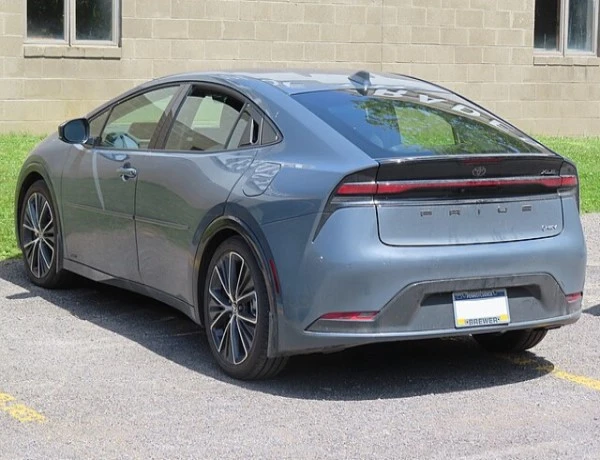
Historically, Toyota has focused on hybrid vehicles, which has allowed the company to lead the market for environmentally friendly transportation without relying entirely on electric vehicles. Models like the Prius have gained worldwide recognition and strengthened Toyota's position as a company focused on eco-friendly solutions. However, amid growing pressure from competitors and government regulators, the company is forced to accelerate its developments in fully electric models.
Nevertheless, the transition to producing more electric vehicles requires significant investments in the development of new platforms and technologies, as well as the adaptation of production systems.
The revision of plans by Toyota and other automakers, such as Volvo, indicates the common difficulties faced by the global automotive industry in the transition to electric vehicles. For example, Volvo recently abandoned its goal of a complete transition to electric vehicles by 2030, stating that it will continue to produce hybrid models. This indicates that even advanced companies like Volvo are reassessing their approaches to electrification, realizing that hybrids may remain more in demand in the market for the coming years.
Toyota's decision to reduce electric vehicle production for 2026 reflects the realities of the modern market: despite long-term goals for the greening of transportation, adaptation to new conditions and technologies requires more time and resources than previously anticipated. Nevertheless, the company continues to develop electric and hybrid technologies, striving to maintain leadership in a changing global automotive market.













Leave a comment