The former French finance minister stated that the EU needs new momentum: six key countries must unite to address the most important tasks in the face of external threats.
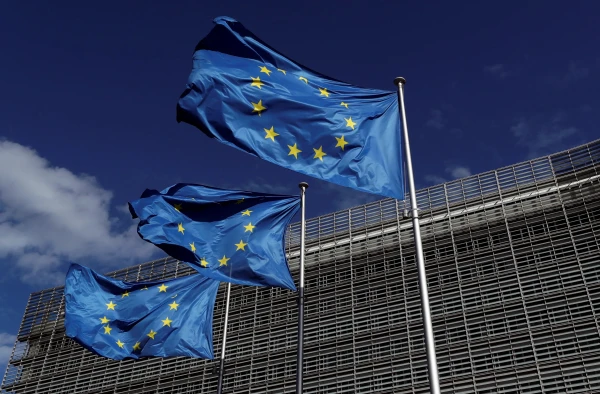
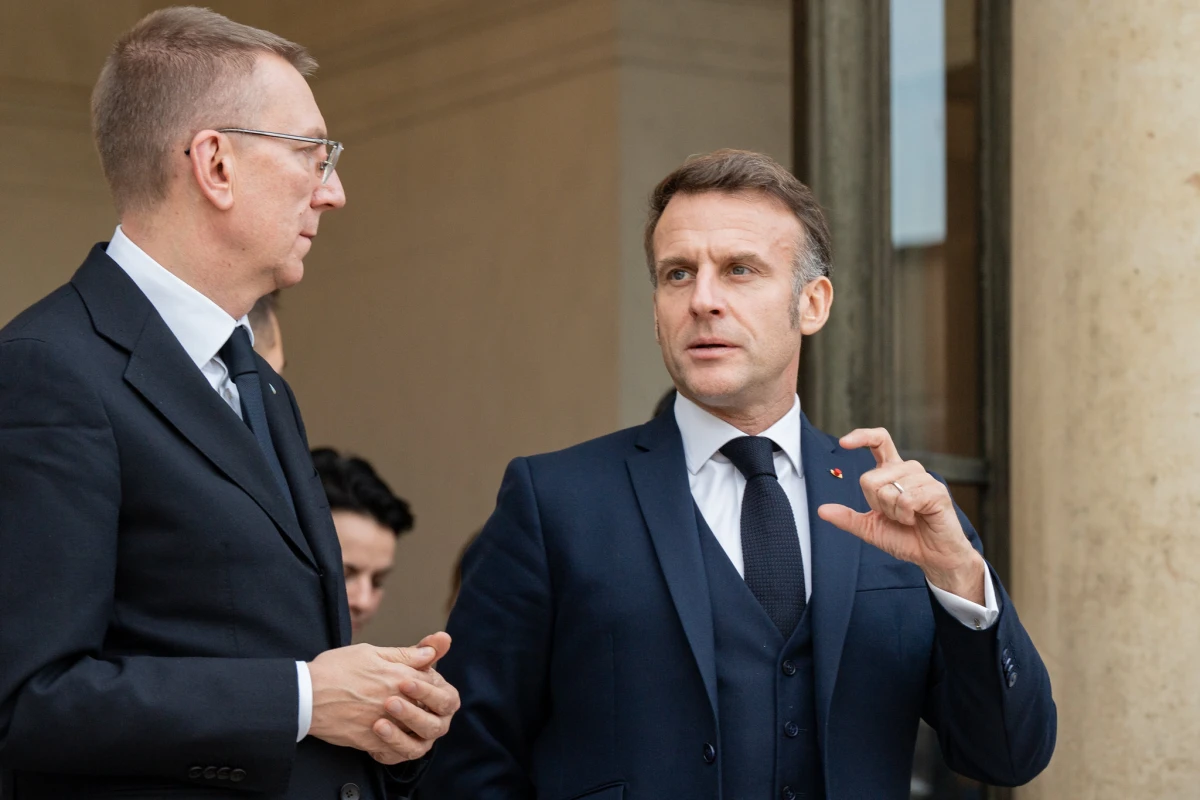
“Working in a coalition format of six key European countries, rather than all 27, is the best way to strengthen Europe,” said former French Economy Minister Bruno Le Maire in an interview with Euronews on the sidelines of the G7 summit in Évian (France).
His statement came amid the European Union's search for ways to simplify the decision-making mechanism and become more flexible in key areas — from defense to foreign policy.
“The only conclusion that all European leaders must draw from the last months, and I would say — from the last two years, is that if they want to remain significant and strong, they need to be united. And it is not necessary to unite all 27 member states for this,” he said in the interview with Euronews.
“They need to give new momentum to the European project by building the European [project] around six key countries,” noted Le Maire, who has been the longest-serving Minister of Economy and Finance in France since World War II and, conversely, the Minister of Armed Forces with the shortest term in office.
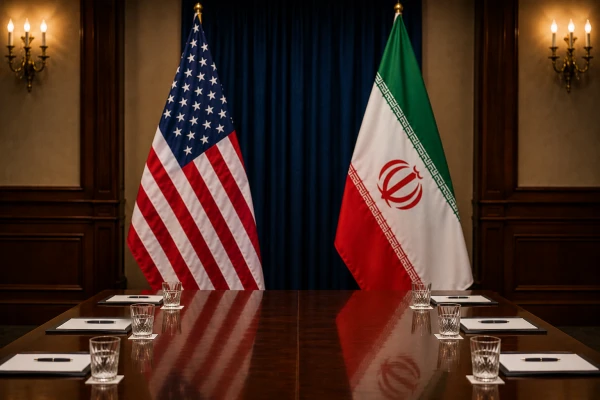
Le Maire named France, Germany, Italy, Spain, Poland, and the Netherlands — the six largest economies in the EU — as the countries that should unite to discuss key issues facing the bloc, from the conflict surrounding Iran and support for Ukraine to chip production on European territory and the development of nuclear energy.
“Six countries instead of 27 is the best way to strengthen Europe, counter threats from various world empires, and achieve concrete results,” he stated.
Le Maire pointed to pressure from the U.S. administration on the EU, including tariffs and threats regarding regulatory standards, which have been a response to Brussels' antitrust fines and digital regulations targeting American tech giants like Google and Amazon.
“We can no longer tolerate blackmail [...]. When President Trump and the U.S. administration say: ‘You must abolish the taxation of Google, Amazon, Facebook, and Microsoft, or I will impose new tariffs against you,’ this is 100% unacceptable among allies,” he said.
“If we want to counter such threats, such blackmail [...], the six strongest EU member states must present a united front [...]. If we are divided, it is impossible to withstand this pressure,” he stated.
“If you present a united front and explain that it will be difficult for the U.S. to access the European market if they do not respect Europe as a partner, this is the best way to achieve concrete results.”
Too much talk, too few solutions
Often stalled by the requirement of unanimity, the EU, according to Le Maire, is forced to involve all 27 countries to reach a consensus on decision-making issues, resulting in “long discussions and very few decisions,” while now “tough decisions and less talk” are needed.
He described a structure where six key countries move forward in various directions, “and the other 21 member states, if they wish, will join,” adding: “first and foremost, we need to move forward.”
The idea of such a coalition is not new. In fact, it already exists in one form or another.
Earlier this year, the finance ministers of Germany, France, Italy, the Netherlands, Poland, and Spain formed a new coalition called “E6” to push for “decisive actions and quick moves” in four strategic areas: defense, supply chains, “Union of Savings and Investments,” and strengthening the international role of the euro.
“We are setting the momentum, and other countries are invited to join us,” said then German Finance Minister Lars Klingbeil. European Commission President Ursula von der Leyen supported this concept of a “two-speed Europe” as a way to strengthen the European economy.
In May, the E6 countries signed a joint letter calling for the acceleration of the creation of the Capital Markets Union (CMU), trying to break the deadlock in the political stalemate in Brussels.
The goal of the CMU is to create a single integrated capital market for all 27 member states that will serve the needs of companies, investors, and consumers.