Recovery efforts are critically slowing down.
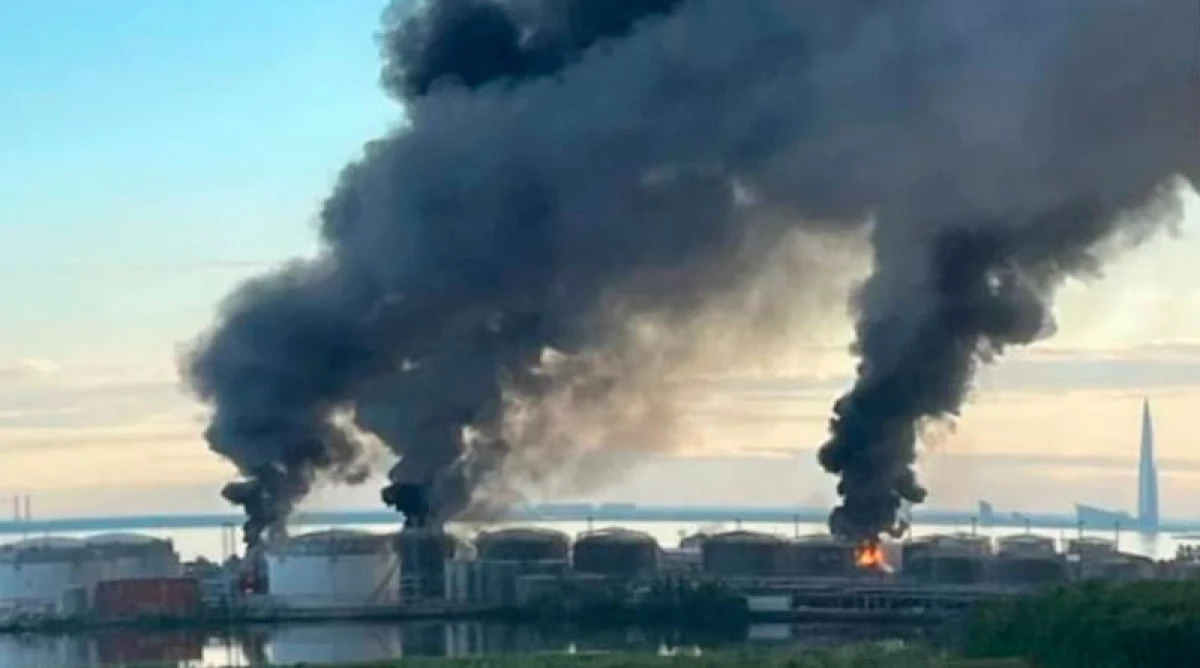
The Ukrainian campaign of strikes against Russian oil refineries has gained significant momentum. Drones have "cut" average volumes of Russian oil refining down to record lows since early 2009. How to assess the conversion of deep strikes and the damage that Moscow incurs from them?
According to experts, a series of attacks on key oil ports, including Ust-Luga and Primorsk on the Baltic Sea, as well as Novorossiysk on the Black Sea, has resulted in losses of approximately $2.2 billion. The strikes caused weeks-long shutdowns of terminal operations and a temporary reduction in export volumes, explained Boris Dodonov, head of the Energy and Climate Research Center at the Kyiv School of Economics.
At the same time, as noted by Harvard University researcher Craig Kennedy, the pressure of sanctions and rising war costs are increasing the burden on the Russian budget. According to his estimates, in order to meet the budget plan for 2026 without cuts, Russia needs global oil prices to average around $115 per barrel by the end of the year.
Kennedy also pointed out that attacks on oil infrastructure have already led to a decrease in production: in April, Russian companies reduced output by approximately 300,000–400,000 barrels per day.
The recovery of Russian oil refineries after drone strikes is critically slowing down due to two main factors:
Western sanctions. They restrict access to original equipment and technologies used in the modernization of most enterprises.
Repair complexity. High-tech installations (e.g., turbines) require highly specialized engineers and spare parts that have become difficult to obtain.
In the context of constant repeated attacks, it is also challenging for enterprises to ensure adequate physical and air defense without diverting military resources.
<iframe width="560" height="315" src="https://www.youtube.com/embed/WTNQ6Mn5j3E?si=leNWFz2J8dEjL276" title="YouTube video player" frameborder="0" allow="accelerometer; autoplay; clipboard-write; encrypted-media; gyroscope; picture-in-picture; web-share" referrerpolicy="strict-origin-when-cross-origin" allowfullscreen></iframe>