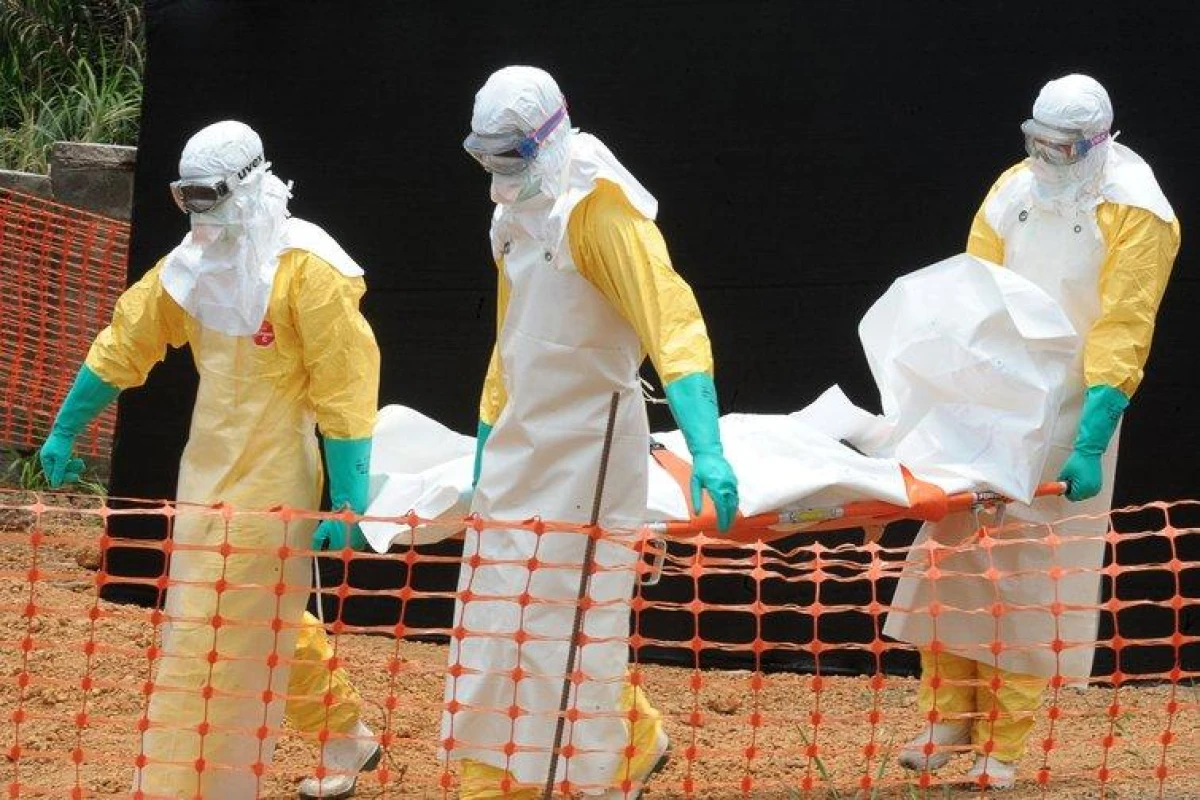
The current outbreak of Ebola fever in Congo could herald a new large-scale pandemic on the planet. The spread of this dangerous disease is occurring against the backdrop of a sharp reduction in international funding for medical programs and a crisis of public trust in scientific institutions and collective methods of combating epidemics, warns the Financial Times.
"This outbreak has arisen at the intersection of a new global health system," said Thomas Bollyky, director of the global health program at the Council on Foreign Relations.
He points to a dangerous paradox: while modern scientists and doctors have studied the mechanisms for countering the virus in detail, the social and governmental support they rely on has been severely undermined. The expert notes that after the COVID-19 pandemic, there has been a skeptical and even hostile attitude towards global health initiatives, depriving humanity of a reliable shield.
The situation is further exacerbated by geopolitical factors. WHO Director-General Tedros Adhanom Ghebreyesus, who visited the Congolese province of Ituri, described the situation there as a "catastrophic intertwining of disease and conflict." The infection has already begun to cross borders: cases of infection have been recorded in neighboring Uganda, one of the infected individuals managed to visit the UAE before being diagnosed, and an infected American missionary was urgently evacuated for treatment in Germany.
However, the main threat lies in the biological characteristics of the pathogen. A very rare strain of Bundibugyo is spreading in Congo, which has only been observed twice in history. The problem is that all vaccines, medications, and test systems developed to date are powerless against this mutation. This makes identifying the infected and containing the epidemic an extremely challenging task for the global community.