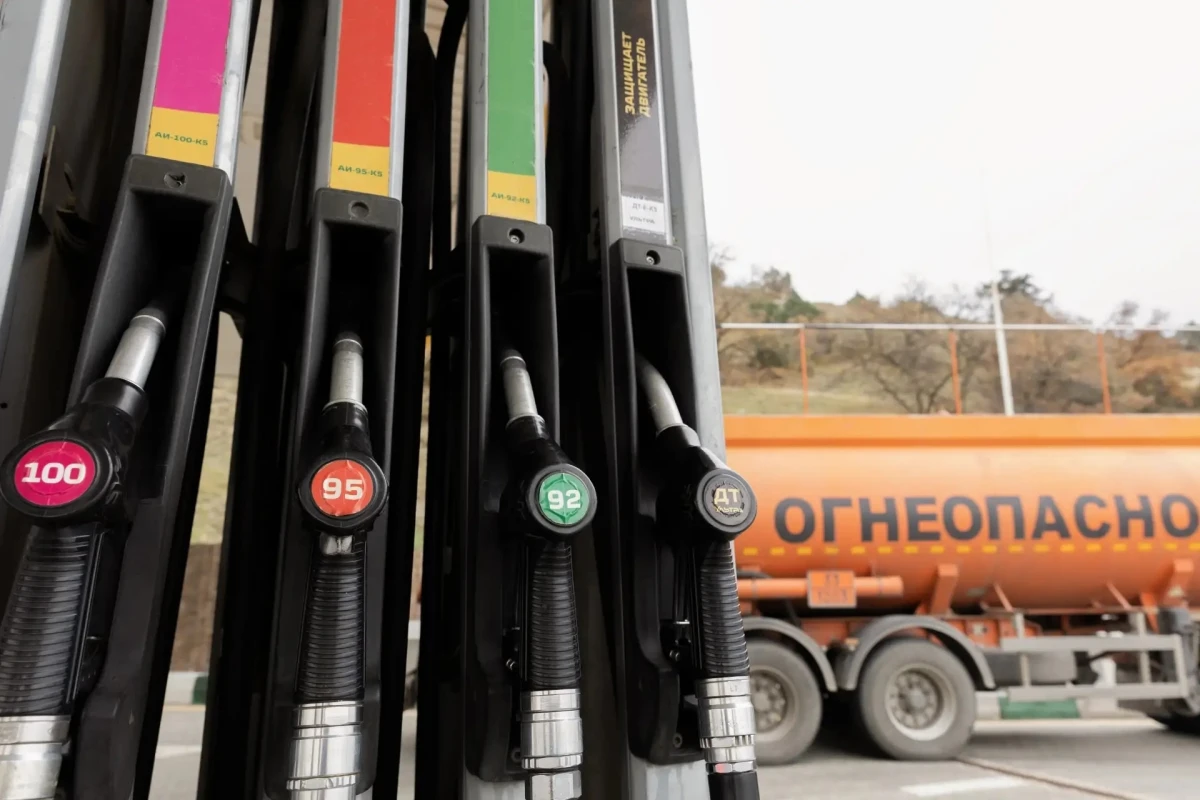
The largest networks of gas stations in the capital of Russia, Moscow, have begun to limit fuel sales.
Tatneft gas stations have imposed restrictions – up to 20 liters for AI-92 and AI-95 gasoline, as well as up to 40 liters for diesel fuel, Russian Telegram channels report.
According to gas station employees, the limit on fuel sales per person was introduced on June 12. At Rosneft stations in Moscow, there is a general limit – up to 90 liters in a tank or canister. At Lukoil gas stations, no more than 100 liters of gasoline or diesel can be sold per receipt.
On the same day, similar restrictions were introduced at Tatneft gas stations in St. Petersburg, reported Fontanka. Local authorities deny the introduction of any restrictions on their part.
The Russian Fuel Union, in turn, stated amid social media reports that "automobile filling stations in Moscow are supplied with fuel and gasoline sales are proceeding as usual."
Earlier, regulated issuance of gasoline and diesel was introduced in Crimea.
The reason for the shortage is systematic strikes on Russian oil infrastructure. According to Bloomberg, from January to May 2026, Russian oil refineries were attacked 38 times, with 16 of those occurring in May – a record number since the beginning of the war.
Refinery load has decreased by 14% since the beginning of the year and remains about 20% below pre-war levels.